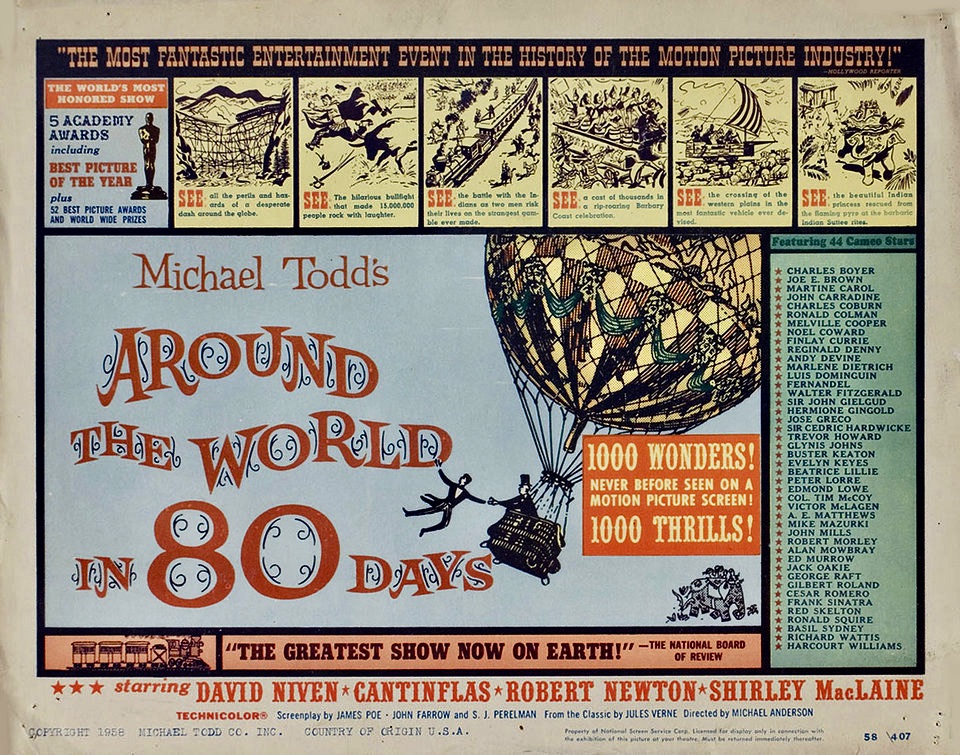
All of us have probably walked out on a movie at the theatre at some point in our lives but how often have you been forced to leave a film due to circumstances beyond your control? The few times this has happened to me are ingrained in my memory probably because it was such a rare occurrence…and because the interrupted scene and the movie itself never received the proper closure. In other words, a simple case of cinema interruptus (the Latin word for interrupted). The films in question are Around the World in 80 Days (1956), Cat on a Hot Tin Roof (1958), Don’t Give Up the Ship (1959) and Cat Ballou (1965).
Continue readingTag Archives: Paul Newman
The Hula Hoop King
By the time the Coen Brothers released their fourth feature film, Barton Fink (1991), they were quickly becoming the toast of Hollywood, winning various awards and prizes as well as a rapidly growing fan base thanks to the cult appeal of previous films like Blood Simple (1980) and Raising Arizona (1984). Their follow-up feature to Barton Fink was much anticipated but the Coens surprised everyone when their fifth movie turned out to be The Hudsucker Proxy (1994), which was drastically different from anything they had made before.
Continue readingIce Capades

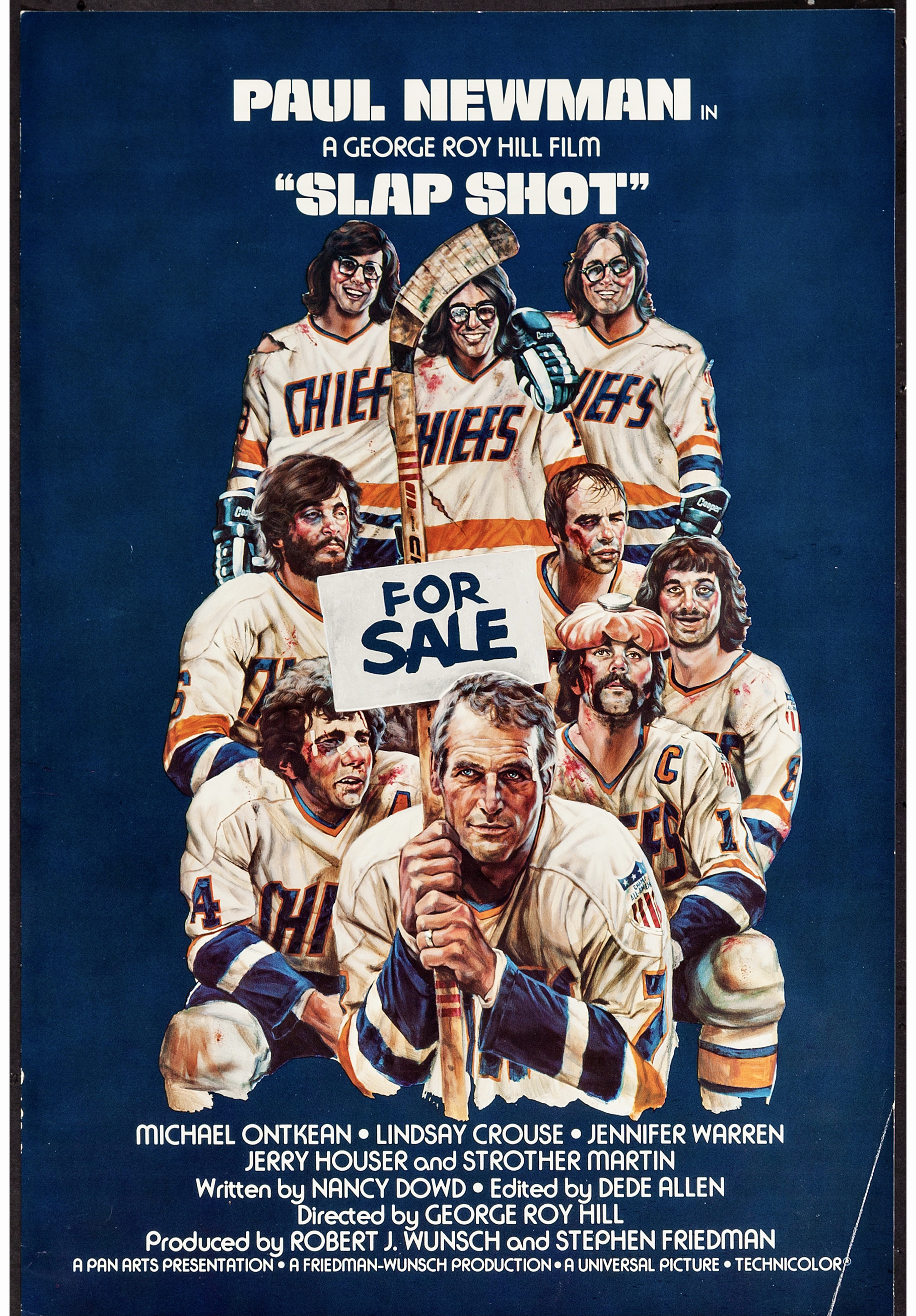
George Roy Hill is a name that should be familiar to most movie fans. Although his claim to fame mostly rests on two Paul Newman-Robert Redford hits, Butch Cassidy and the Sundance Kid (1969) and The Sting (1973), for which he won the Best Director Oscar, Hill is unique in that he could successfully helm big screen epics like Hawaii (1966), art house fare (Slaughterhouse-Five, 1972) or intimate, small scale projects such as A Little Romance (1979). Despite his versatility, he has never enjoyed the sort of critical acclaim or respect afforded such peers as Robert Altman but Hill is clearly overdue for reappraisal and so are some of the overlooked gems in his filmography like The World of Henry Orient (1964) and Slap Shot (1977), which might be his most underrated movie.
Continue readingThe Dirty Little Coward Roadshow

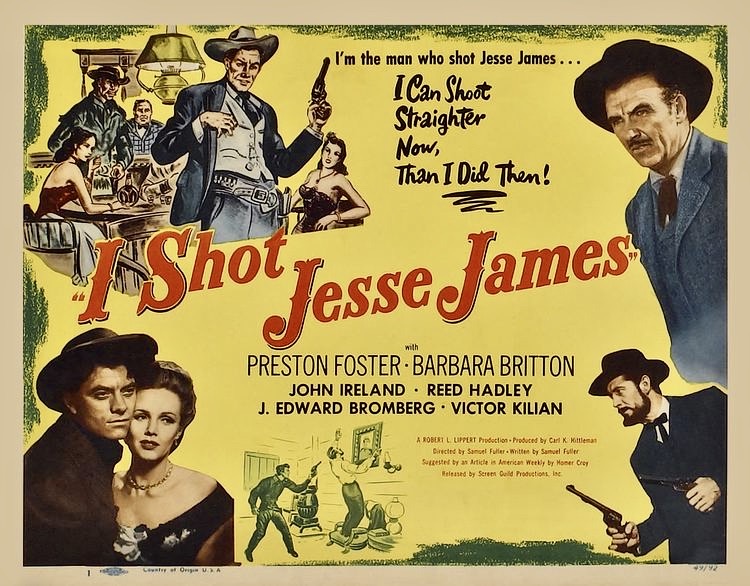
After recently rewatching I Shot Jesse James on DVD from Criterion’s Eclipse label, I couldn’t get a certain scene out of my head. As you may know, this 1949 film is Samuel Fuller’s directorial debut about Robert Ford, the “dirty little coward” who assassinated the frontier legend in 1882 and the scene that pops out occurs not long after Jesse (played by Reed Hadley) is dead and buried. Ford (John Ireland) begins performing re-enactments of the event on stages for money as he travels around capitalizing on his notoriety. At first, I thought this was just a fantasy from Fuller’s fevered, pulp fiction imagination but after doing some research it appears to be true. Robert Ford really did take his act on the road, billing it as “Outlaws of Missouri,” and, night after night before paying audiences, he would act out that fateful day when he shot Jesse James.
Continue reading