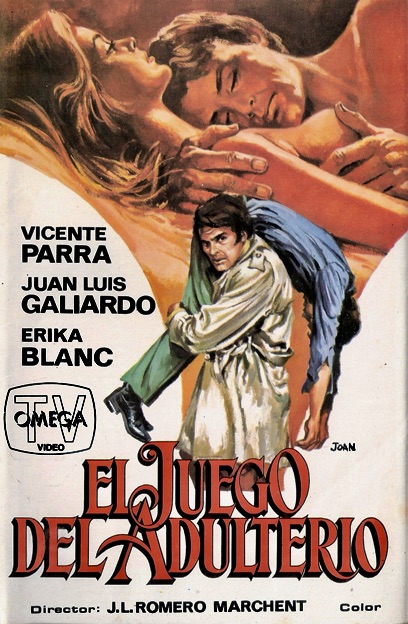
The Game of Adultery

The Spanish film poster for THE GAME OF ADULTERY (1973).

Giallo thrillers and spaghetti westerns are generally considered genres created by the Italian film industry but producers and filmmakers in other European countries also created their own versions in these categories, especially in Spain. Director/Screenwriter Joaquin Luis Romero Marchent, a native of Madrid, is best known for his Spanish take on wild west oaters but he did make a film that could be classified as a giallo. El Juego del Adulterio (English title: The Game of Adultery aka The Deadly Triangle, 1973) is blessed with a title that sounds like an erotic melodrama or maybe a softcore soap opera for the grindhouse crowd. It definitely has elements of that but is actually a psychological thriller crossed with a murder mystery.

Continue reading
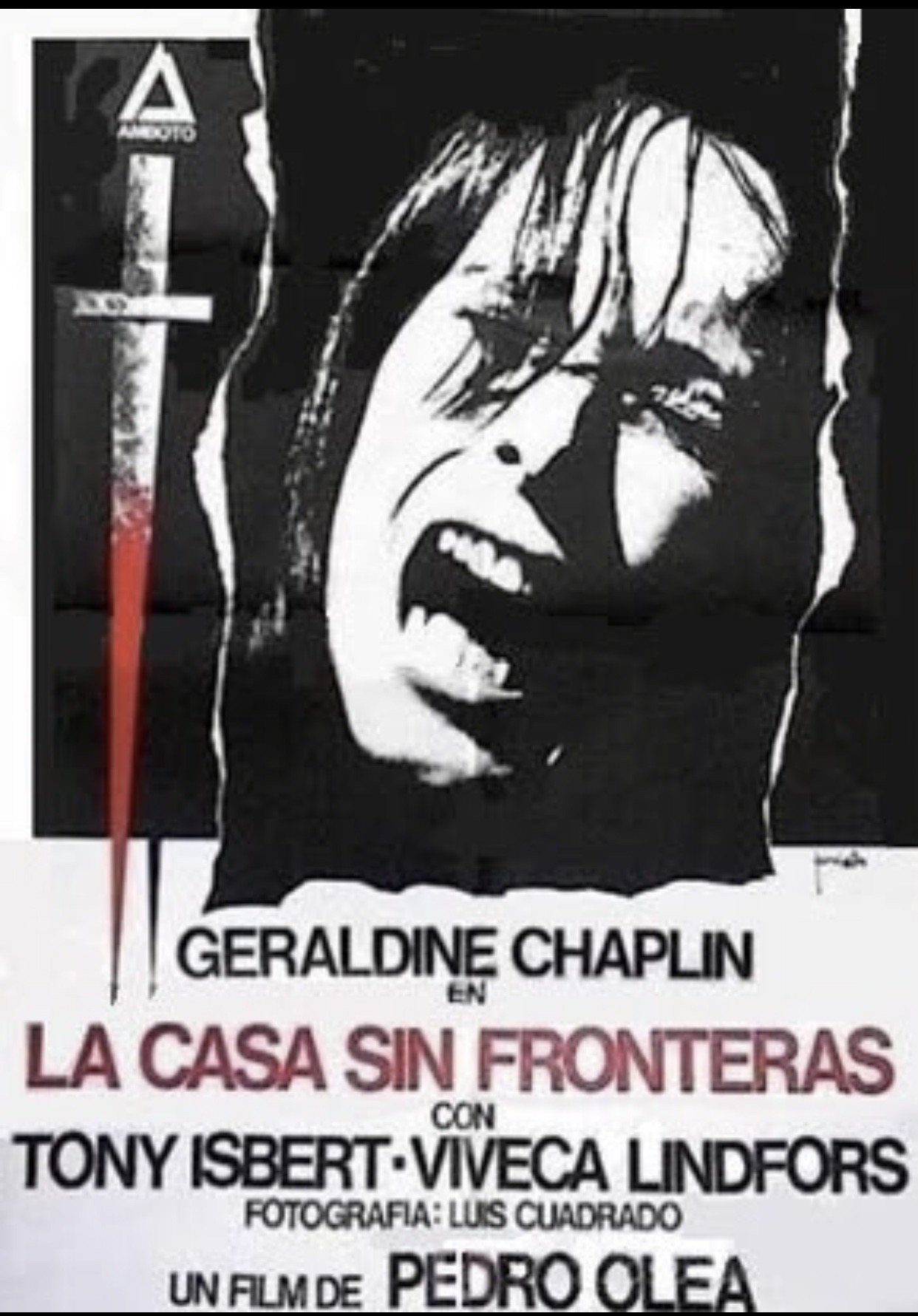
The Stiletto Club

Conspiracy thrillers have been a popular subgenre in movies ever since the silent era with such memorable entries as The Ace of Hearts (1921) in which Lon Chaney stars as a member of a secret society that gets rid of people deemed unfit to live among them. Alfred Hitchcock’s The 39 Steps (1935) is an equally menacing early talkie classic and The Manchurian Candidate (1962), about a brainwashed ex-military hero being controlled by political subversives, is probably the best-known representative of all. However, it wasn’t until the 1970s that conspiracy thrillers reached an all-time high in popularity as witnessed by such iconic Hollywood releases as The Parallax View (1974), The Conversation (1974), Three Days of the Condor (1975), Capricorn One (1977) and The Boys from Brazil (1978). Other countries contributed their own variations on the genre like Spain, which released La Casa sin Fronteras (English title: The House Without Frontiers), a deeply unsettling effort from director Pedro Olea, which was made while General Franco was still in power and which prefigures the paranoid scenarios made popular by The Parallax View and others.

Continue reading