The Mysterious Language of Twins

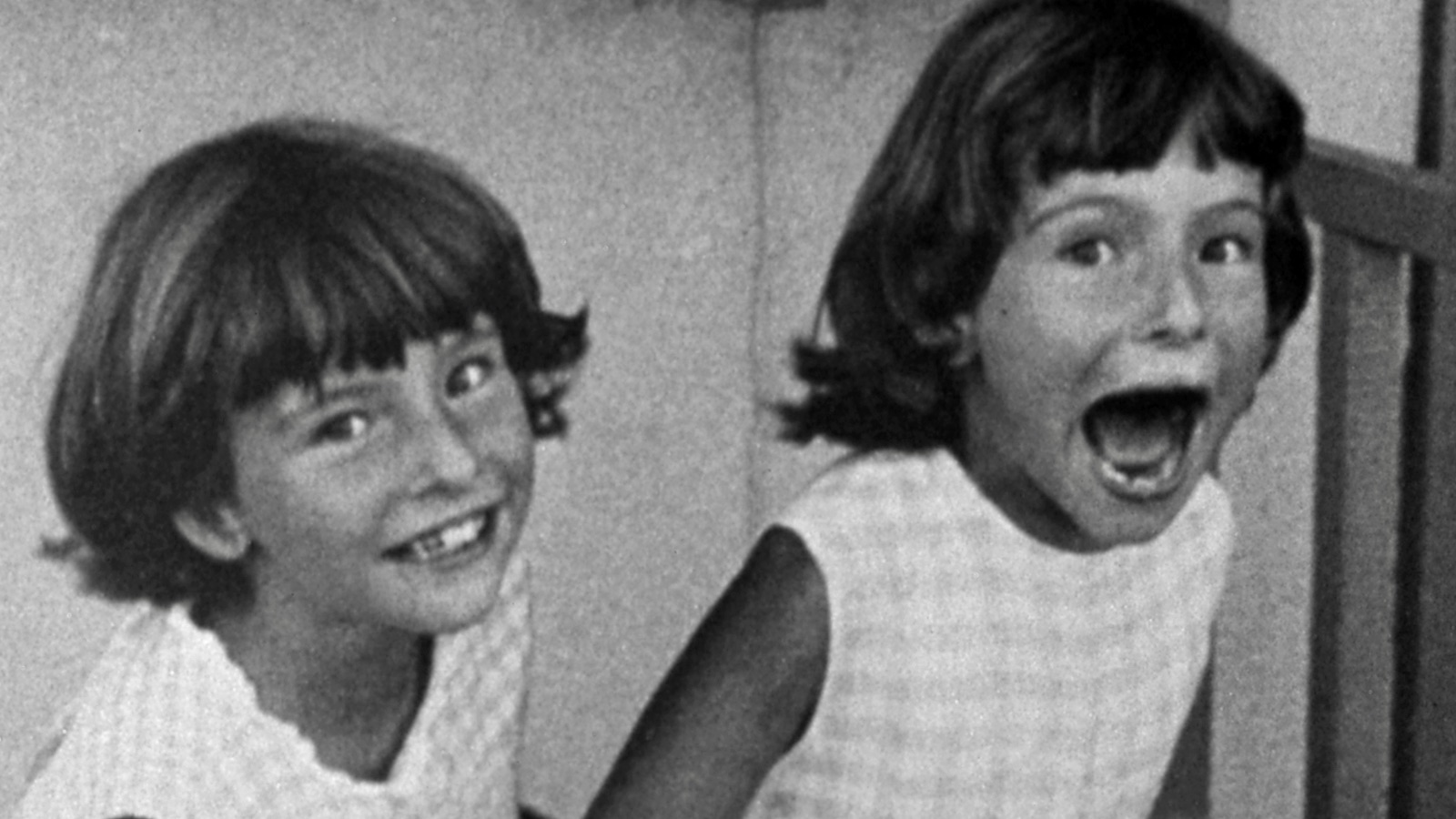
Twin sisters Gracie and Ginny Kennedy created a secret language only they could understand in the 1979 film POTO AND CABENGO, the names they called themselves instead of their English names.

In 1977 journalists became fascinated with a story about six-year-old twin sisters in San Diego who spoke in a language no one could understand but was the sole means of communication between the two girls. Their names were Gracie and Ginny Kennedy but they called themselves Poto and Cabengo in their nonsensical form of speaking. Had they actually created a secret language for themselves or was it just meaningless blather? The girls became a media sensation and speech therapists at the Children’s Hospital in San Diego studied their language in hopes of determining whether the girls’ interaction was a case of arrested idioglossia, a phenomenon in which twins (or individuals) create a private language with a unique vocabulary and syntax (most children grow out of it at age 3 but the twins were a rare exception). French filmmaker Jean-Pierre Gorin had recently moved from Paris to the University of California at San Diego for a faculty position when he first heard about the twins. He immediately decided that Gracie and Ginny would be ideal subject matter for his first solo directorial effort but the result entitled Poto and Cabengo (1979) could not really be classified as a documentary. Instead, it is a highly personal non-fiction portrait that is closer to an experimental film than anything else and Gorin’s involvement with the twins and their family become just one aspect of the movie’s multi-layered narrative interests.

Continue reading
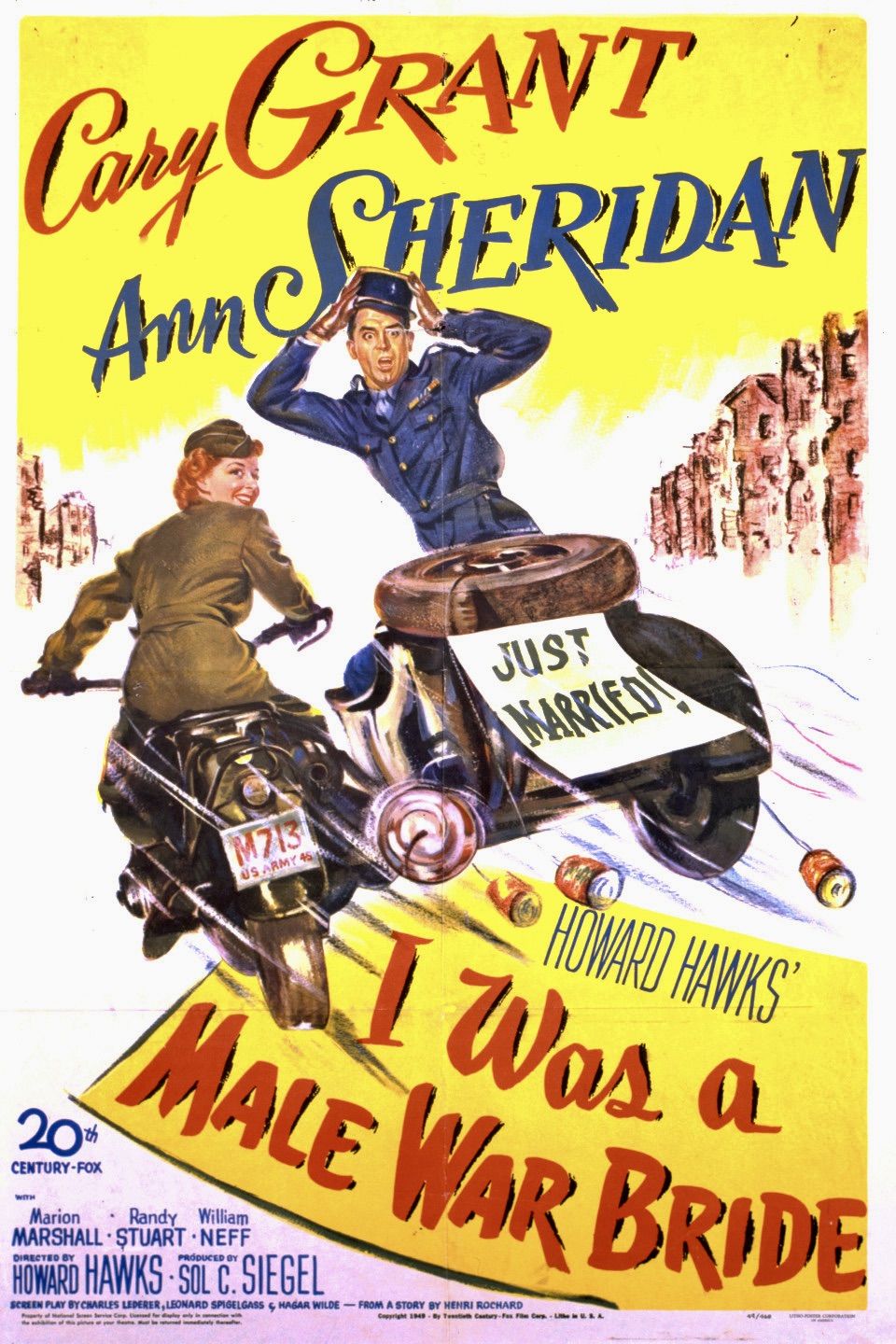
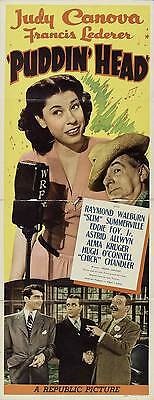
Movie Title Hall of Fame: The Sublime, the Weird and the Ridiculous

There are certain movie titles that make you pause and consider the mystery, allure or absurdity of their meaning. They can promise so much and deliver so little like Billy the Kid vs. Dracula (1966) or She Gods of Tiger Reef (1958). Or they can overdeliver on their promise to an astonished but grateful audience as in Russ Meyer’s infamous Faster, Pussycat! Kill! Kill! (1965). They can also mislead and confound you with wording so vague or fanciful that you have no earthly idea what it’s about as in Lord Love a Duck (1966), The Day the Fish Came Out (1967), or All the Fine Young Cannibals (1960), which inspired the name of the Brit pop trio that had a hit with “She Drives Me Crazy.” Then there are those completely frank and unambiguous titles that reveal the pure essence of the film in a no-nonsense manner – Teenagers from Outer Space (1959) and I Was a Male War Bride (1940). Or titles that are so much fun to say that you simply love saying them out loud just to hear the sound of them rolling off your tongue like Rat Pfink a Boo Boo (1966) or Puddin’ Head (1941).

Continue reading

Mortal Thoughts

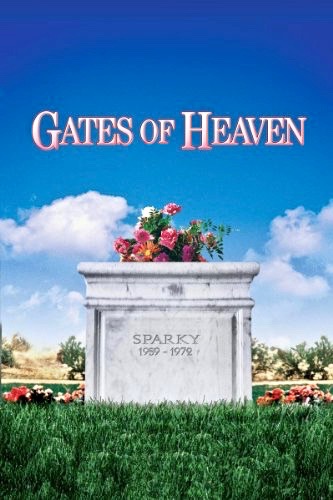
The story goes like this. German director Werner Herzog made a bet with aspiring filmmaker Errol Morris that if the latter ever completed the film he was working on – which was inspired by a news story about the mass relocation of the graves from a California pet cemetery – he would eat his shoe. Morris did indeed complete his film, which was called Gates of Heaven (1978) and, true to his word, Herzog boiled and ate his show at the film’s premiere in Berkeley. Filmmaker Les Blank recorded the event and turned it into a documentary short entitled Werner Herzog Eats His Shoe in 1980.   Continue reading

Roger Ebert, Sam Fuller, Woody Strode, Les Blank and Others at the 1981 Telluride Film Festival

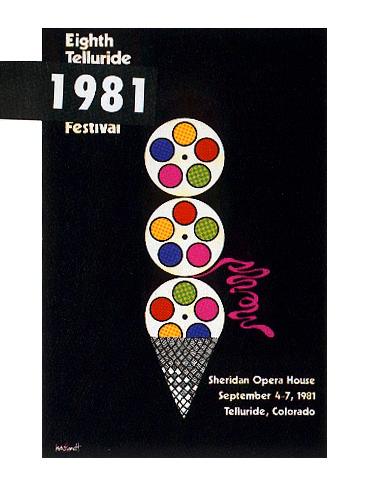
telluride_1981 posterLabor Day weekend for most people means a farewell to summer and a final official holiday before the Fall season but for me Labor Day usually means “The Show” – the annual Telluride Film Festival in Colorado. I have been lucky enough to attend several of the festivals over the year but since I won’t be able to attend the 41st annual event (Aug.29-Sept.1), I wanted to pay tribute to it with a blog about my first visit there – The 8th Telluride Film Festival in 1981Continue reading

Les Blank, 1935-2013

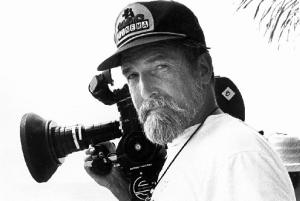
Les BlankThe prolific independent filmmaker Les Blank died on April 7, 2013 but somehow that sad news slipped past me. I’m just now reading a host of glowing eulogies and tributes to the man, mostly from fellow filmmakers and critics. He wasn’t ever a household name because his movies rarely received theatrical distribution outside of a few major cities. Unless you happened to catch one on your local PBS station or attended a film festival, which is where most of his work first premiered, there’s a good chance you never even heard of Les Blank. Even though he made more than 40 non-fiction features and shorts, the only Les Blank film you can view on Netflix is Burden of Dreams (1982), his justly famous chronicle of the trouble plagued production of Werner Herzog’s Fitzcarraldo, filmed on location in the Amazon.      Continue reading