Human Cargo

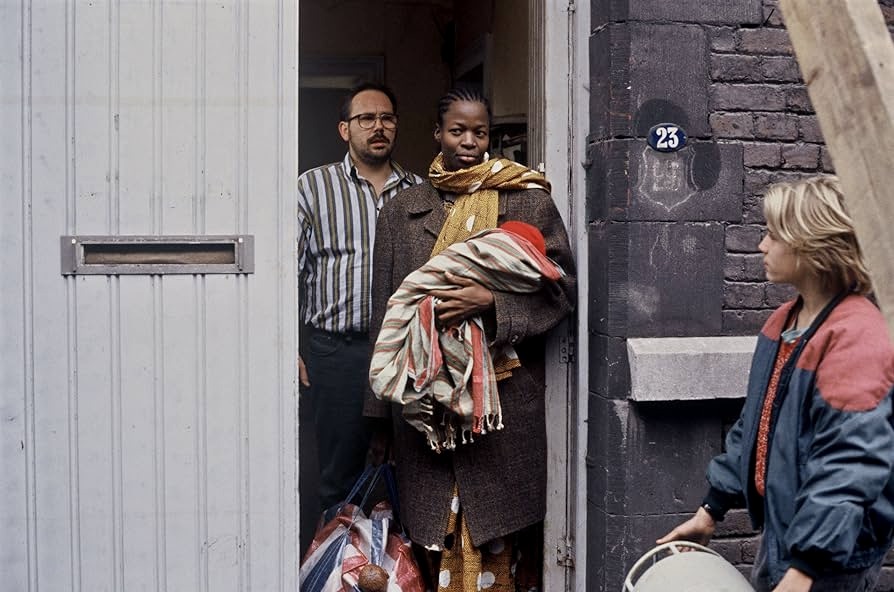
A scene from LA PROMESSE (The Promise, 1996), a Belgium film about an immigrant trafficking business starring Olivier Gourmet (left), Assita Ouedraogo, and Jeremie Renier.

Igor is a fifteen-year old kid who, in some ways, is like most teenagers his age. He likes to have fun hanging out with friends, ride his moped around and work on customizing his go-kart in his spare time. The problem is he doesn’t have much spare time. He works as a mechanic’s apprentice at a gas station but even those hours are cut short by his demanding father Roger, who needs him constantly for jobs involving building renovations, money collection and other activities related to Roger’s exploitation of illegal immigrants. Because of this, Igor has had to grow up fast with his multiple adult responsibilities but he likes the money he makes and the trust his father has placed in him. All of this is about to change when he becomes friendly with Assita, who has arrived with her newborn baby to join her husband, a West African man who does work for Roger. This is the basic set-up for Jean-Pierre and Luc Dardenne’s La Promesse (The Promise), a groundbreaking 1996 film for the brother filmmaking team about the brutal trafficking and mistreatment of undocumented immigrants in Belgium. It also serves as a stark but moving coming-of-age film.

Continue reading
A Filmmaker in Self-Imposed Exile

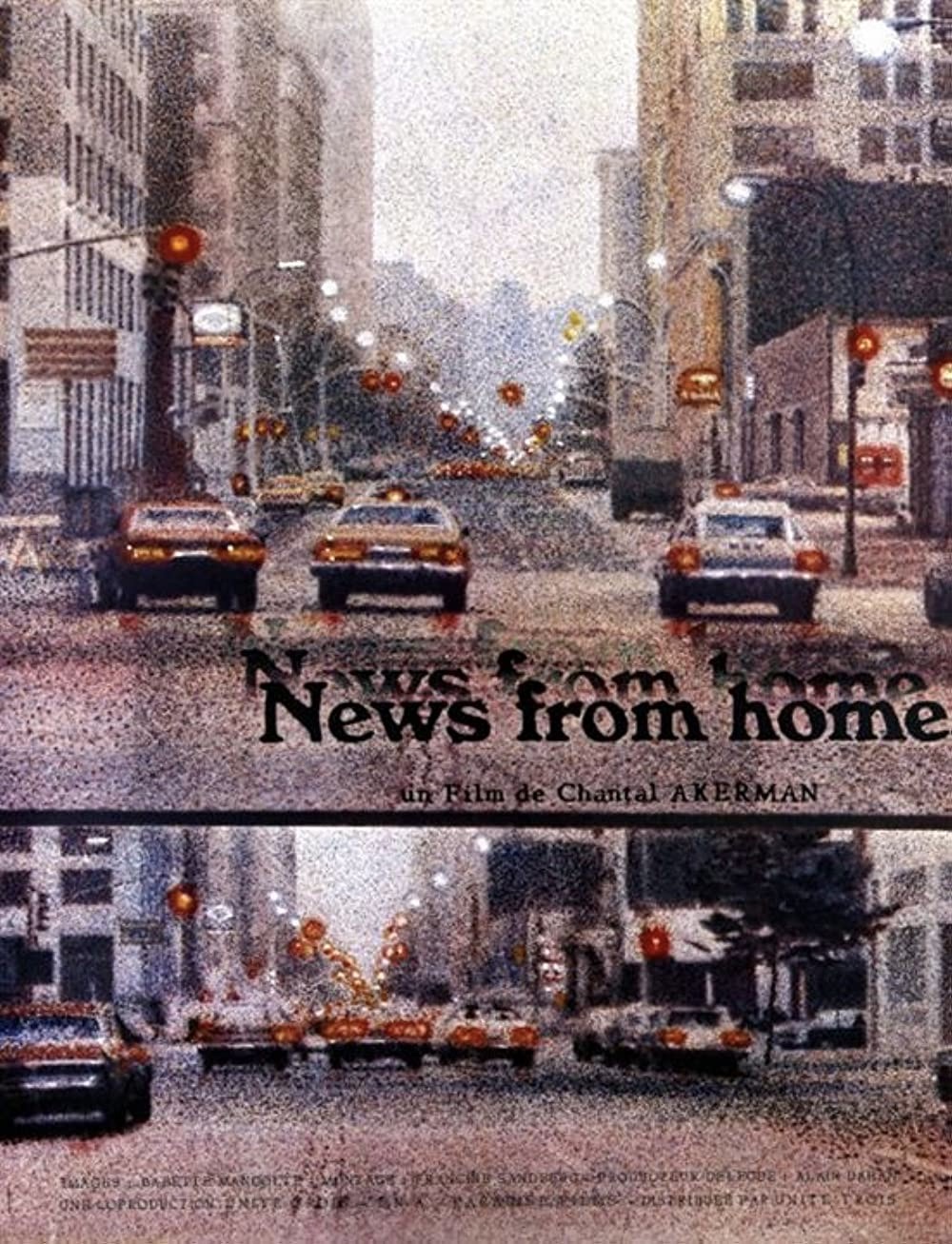
In the mid-1970s tourists were being warned by a concerned group of local citizens in New York City to steer clear of the Big Apple via a pamphlet campaign. Crime had risen dramatically since the late sixties, the city was reeling from a number of political and economic crises including a mass garbage workers’ strike, and unemployment was at an all time high, driving many residents to leave for the suburbs. The media began to refer to Manhattan as “Fear City” and actress Shirley MacLaine was quoted as saying NYC was “the Karen Quinlan of cities” (a reference to the teenager who lapsed into a coma in 1975 and lived in a permanent vegetative state for ten years before dying from pneumonia). It was during this period that Belgium filmmaker Chantal Akerman created one of her most personal and acclaimed films during a 1976 visit. News from Home is an autobiography of sorts and the director was no stranger to the city. She had lived there in 1971 but her movie is not a tourist’s view of the city. It shows us the kind of gritty urban environment that Martin Scorsese immortalized in 1976’s Taxi Driver.

Continue reading

In Praise of Tarkovsky

When he died in Paris on July 29, 2012, filmmaker Chris Marker left behind more than 60 short films and features, most of which were experimental cinema essays and documentaries. Many were political in nature but he also dabbled in other favorite subjects such as cats (Cat Listening to Music, 1988), Japan (The Koumiko Mystery, 1965) and the contemplation of memory (Immemory, an interactive CD-Rom from 1997). His work rarely found an outlet in commercial cinema venues but was often celebrated at film festivals and archival/repertory mainstays. If his name sounds familiar to you, it is due to his landmark science fiction short, La Jetee (1962), which remains influential today for its innovative approach to visual narrative. What many don’t know, however, is that Marker directed several highly accessible tributes to favorite film figures such as Yves Montand (La Solitude de Chanteur de Fond, 1974), Akira Kurosawa (A.K., 1985) and Simone Signoret (Memoires pour Simone, 1986) and one of his finest achievements is One Day in the Life of Andrei Arsenevich (1987). 

Continue reading

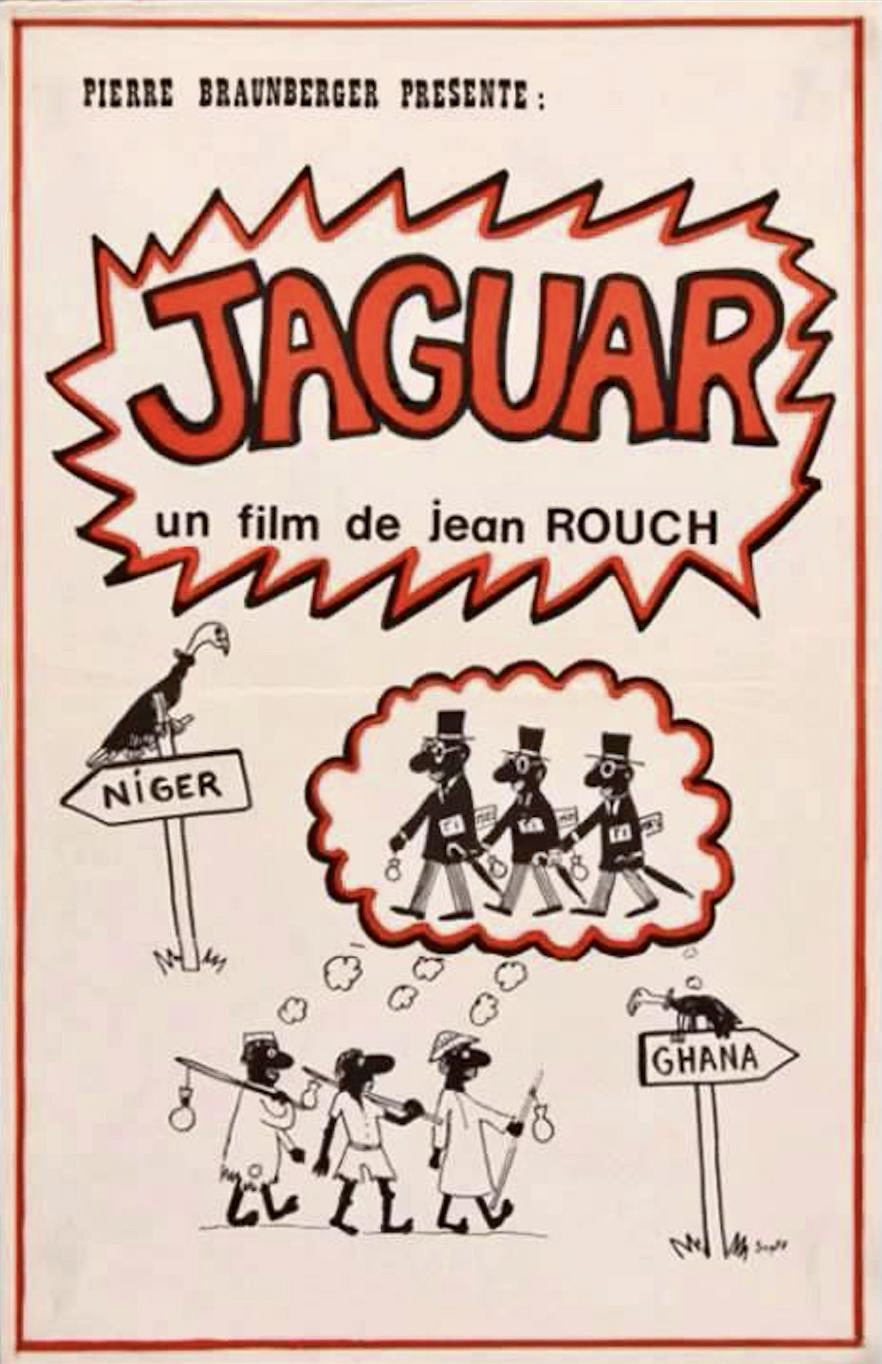
A Funny Thing Happened on the Way to Ghana

“The camera eye is more perspicacious and more accurate than the human eye,” French filmmaker Jean Rouch once said, and his idiosyncratic documentaries, which were often fusions of reality and fiction, bear this out. Jaguar (1967) is a perfect example of this duality.

Continue reading

Polyurethane Companion

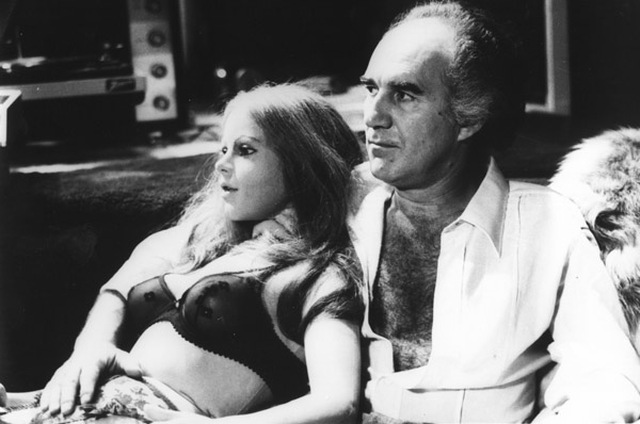
Michel Piccoli and his polyurethane companion in Luis Garcia Berlanga's Life Size (Grandeur Nature, 1974)

Michel Piccoli and his polyurethane companion in Luis Garcia Berlanga’s Life Size (Grandeur Nature, 1974)

The topic of men preferring lifelike dolls or mannequins to real women is nothing new in cinema and has been treated as poignant character study (Lars and the Real Girl, 2007), rom-com fantasy (Mannequin, 1987) and bleak psychological drama (The Doll aka Vaxdockan, 1962) to mention just a few examples of the different paths taken. Luis Garcia Berlanga’s Life Size (French title: Grandeur nature, 1974) takes a more ambiguous approach to its tale of a successful dentist and his new obsession and could be interpreted as a critique of misogyny, an attack on bourgeois values or a dark, perversely amusing character study.  Continue reading