You Can’t Go Home Again

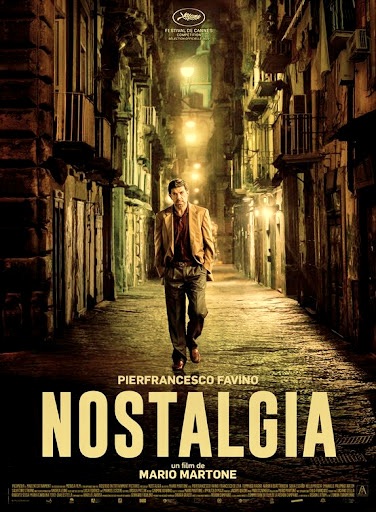
In Italy and most of Europe Mario Martone is well known and highly regarded as a director, screenwriter and producer who first rose to prominence in the theater world. He formed Falso Movimento, his first theater company, in 1979 and made his debut as a director of operas in 1989 with the world premier of Lorenzo Ferrero’s Charlotte Corday. However, it was in the 1990s that Martone emerged as one of the leading film directors of the new wave of Neopolitan cinema that produced such major talents as Paolo Sorrentino and Toni Servillo. Martone is still relatively unknown in the U.S. but his 2022 feature Nostalgia garnered critical acclaim on the art house circuit and continued Martone’s fascination with the city of Naples, where he was born in 1959. Based on a novel by Ermanno Rea, the film is a slow burn character study of Felice Lasco, an expatriate living in Cairo, Egypt, who returns to his childhood home of Naples after a 40-year hiatus.

Continue reading

Anatomy of a Marriage

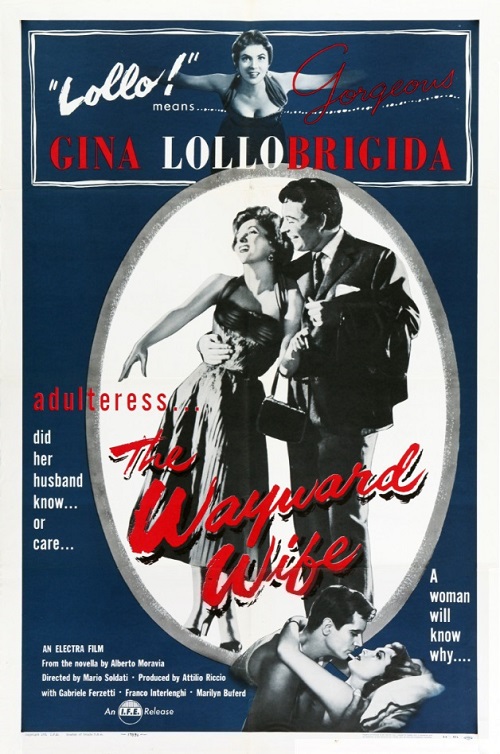
There is little doubt that Gina Lollobrigida’s rise to fame in the post-WW2 years was attributed to her beauty and sex appeal but there was another reason she achieved international recognition – she was a gifted actress who was magnetic and believable in any film genre. In fact, some of her best work is evident in a few key films of the early 1950s but is often overshadowed by the glossy Hollywood productions she made during her peak years such as Solomon and Sheba (1959), Never So Few (1959) and Come September (1961). Rene Clair’s romantic fantasy Beauties of the Night (1952) is generally credited as Lollobrigida’s breakthrough film and Luigi Comencini’s Bread, Love and Dreams (1953) brought her international acclaim as an actress (She was nominated for Best Foreign Actress by BAFTA and won Best Actress from the Italian National Syndicate of Film Journalists). But she had already proven herself as someone who could convincingly move from war drama (Achtung! Banditi!, 1951) to costume swashbuckler (Fanfare La Tulip, 1952) to sex farce (Wife for a Night, 1952) and La Provinciale (English title: The Wayward Wife, 1953), directed by Mario Soldati, is an impressive early dramatic showcase for Lollobrigida that is almost forgotten today.

Continue reading

The Italian Conspiracy

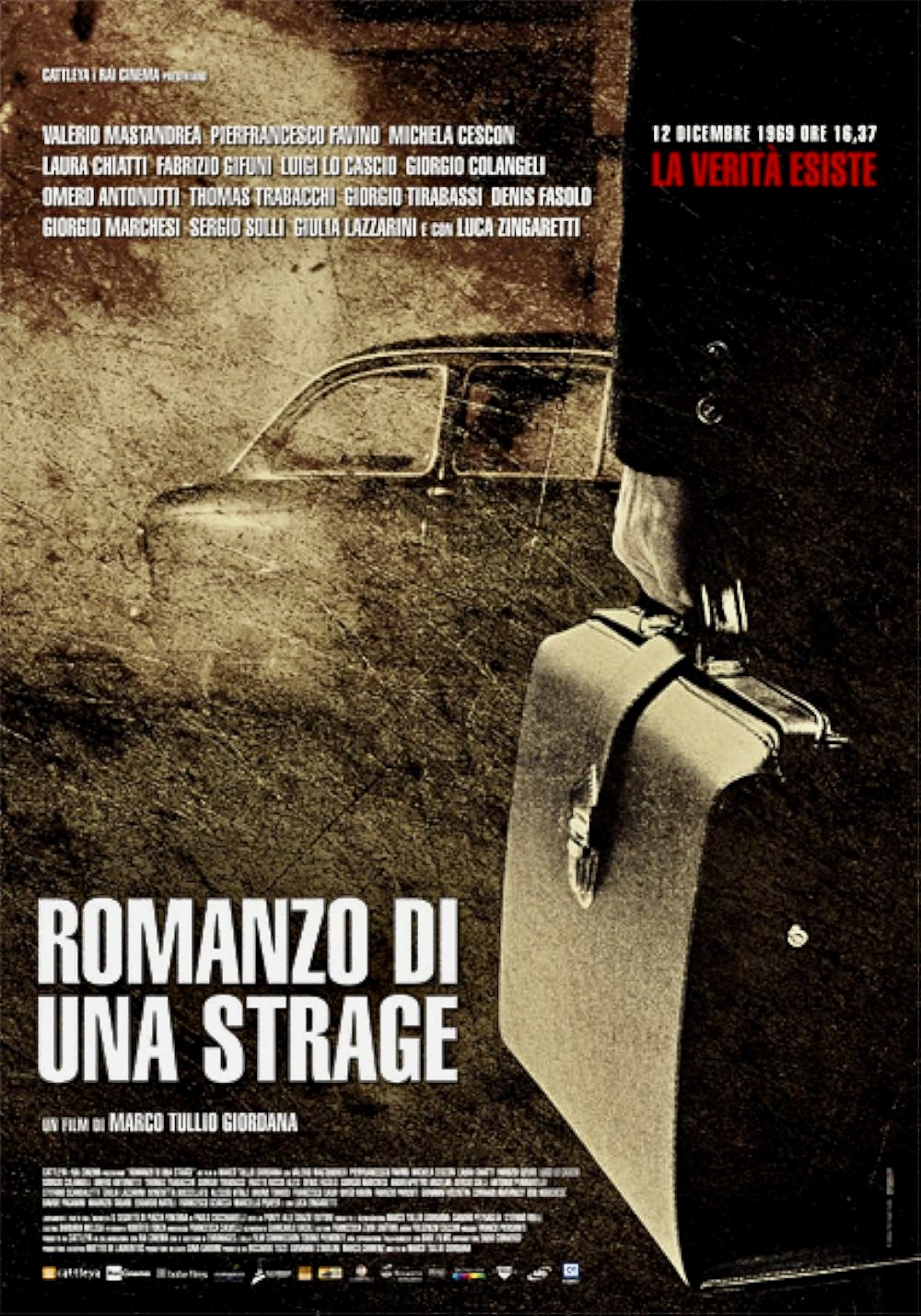
The Italian film poster for PIAZZA FONTANA: THE ITALIAN CONSPIRACY (2012).

On December 12, 1969, a bomb exploded in the Banca Nazionale dell’Agricoltura (National Agricultural Bank) in Piazza Fontana, near the Duomo in Milan, Italy. 17 people died from the explosion and more than 84 were injured. Other unexploded bombs were discovered at several places in the city the same day and the attack was obviously the coordinated effort of a terrorist group. More than 80 arrests were made and, at first, the police suspected members of the Anarchists Club. One of them – Giuseppe ‘Pino’ Pinelli – was held for questioning at police headquarters for more than 72 hours. During a break in his interrogation on the fourth floor, he allegedly went to the window for air and fell to his death below. Luigi Calabresi, the police commissioner, had left the room briefly to retrieve a telegram when this occurred, but was told varying accounts of what happened when he returned – most of which stated that Pinelli had committed suicide by leaping to this death. The press and the public were immediately suspicious of this and the investigation became more complicated with other terrorist groups being implicated, most notably the neo-fascist group Ordine Nuovo. The Piazza Fontana bombing resulted in three different trials – one in 1972, one in 1987 and one in 2000 – but no one was ever officially changed and convicted for the crime. The investigations launched countless conspiracy theories and remain a controversial subject even today but it was more than forty years later that a filmmaker would dramatize the events in a movie. That would be celebrated Italian director Marco Tullio Giordana, who released Romanzo di una Strage (English title: Piazza Fontana: The Italian Conspiracy) in 2012.

Continue reading

Fotoromanzi Fantasy

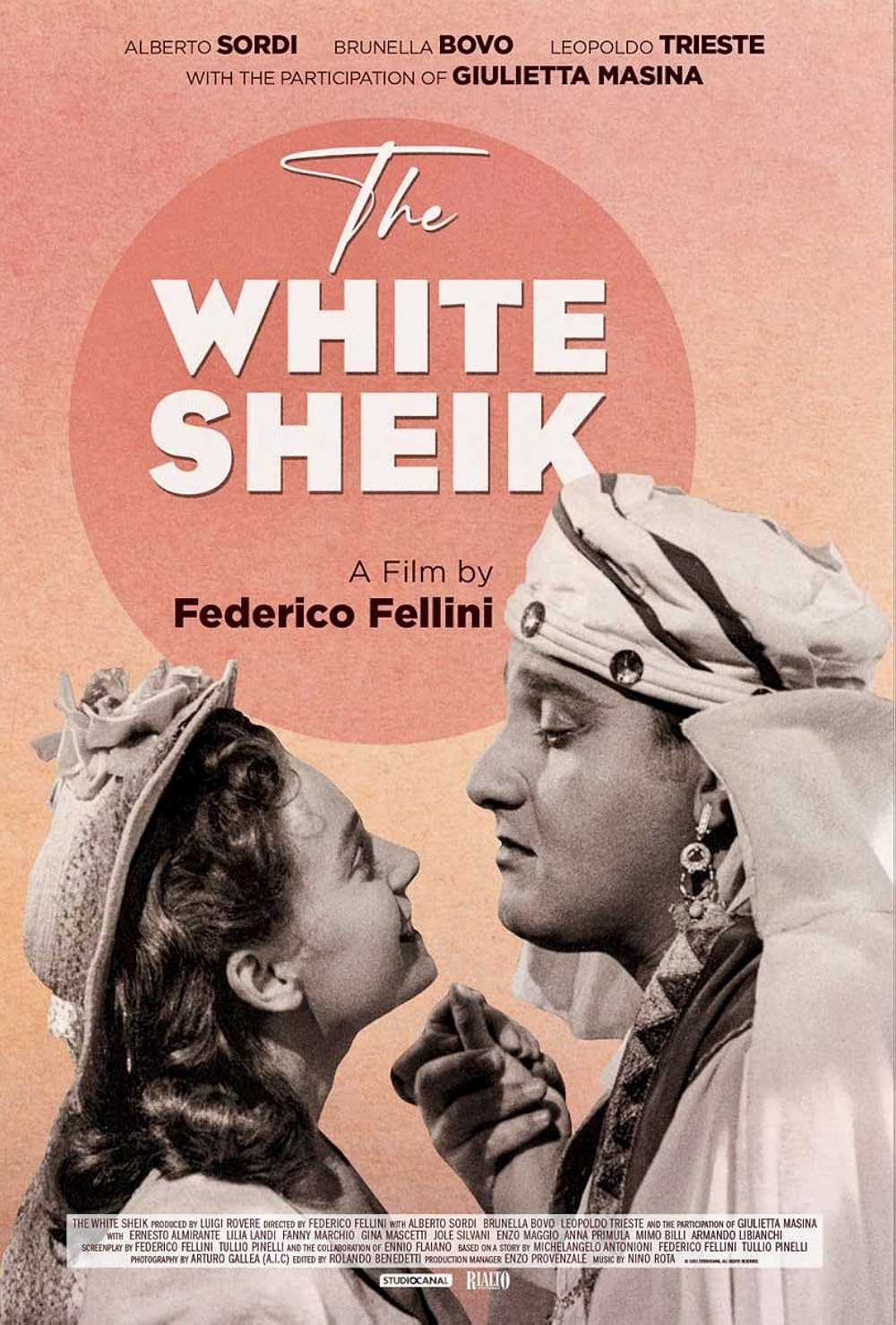
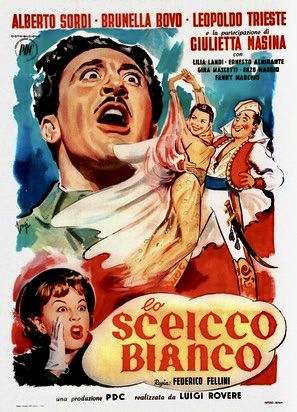
“With Paisan, I knew that I wanted to be a film director. I thought maybe this was where my future was, not as a journalist. It was with The White Sheik that I knew I was a film director.” – Federico Fellini (from I, Fellini by Charlotte Chandler)

In The White Sheik (Italian title: Lo Sceicco Bianco, 1952), Fellini’s first solo directorial effort (he co-directed Variety Lights with Alberto Lattuada the previous year) he drew upon his experiences as a journalist and script writer to tell a bittersweet story about a provincial newlywed couple vacationing in Rome for their honeymoon. Wanda (Brunella Bovo), the young bride, is a naive romantic, prone to impulsive behavior and passionate fantasies. She is also an avid fan of fotoromanzi (a comic book with photo captions instead of cartoon drawings) and is secretly infatuated with “The White Sheik,” the hero of her favorite series.

Continue reading

Violenza al Sole aka Blow Hot, Blow Cold

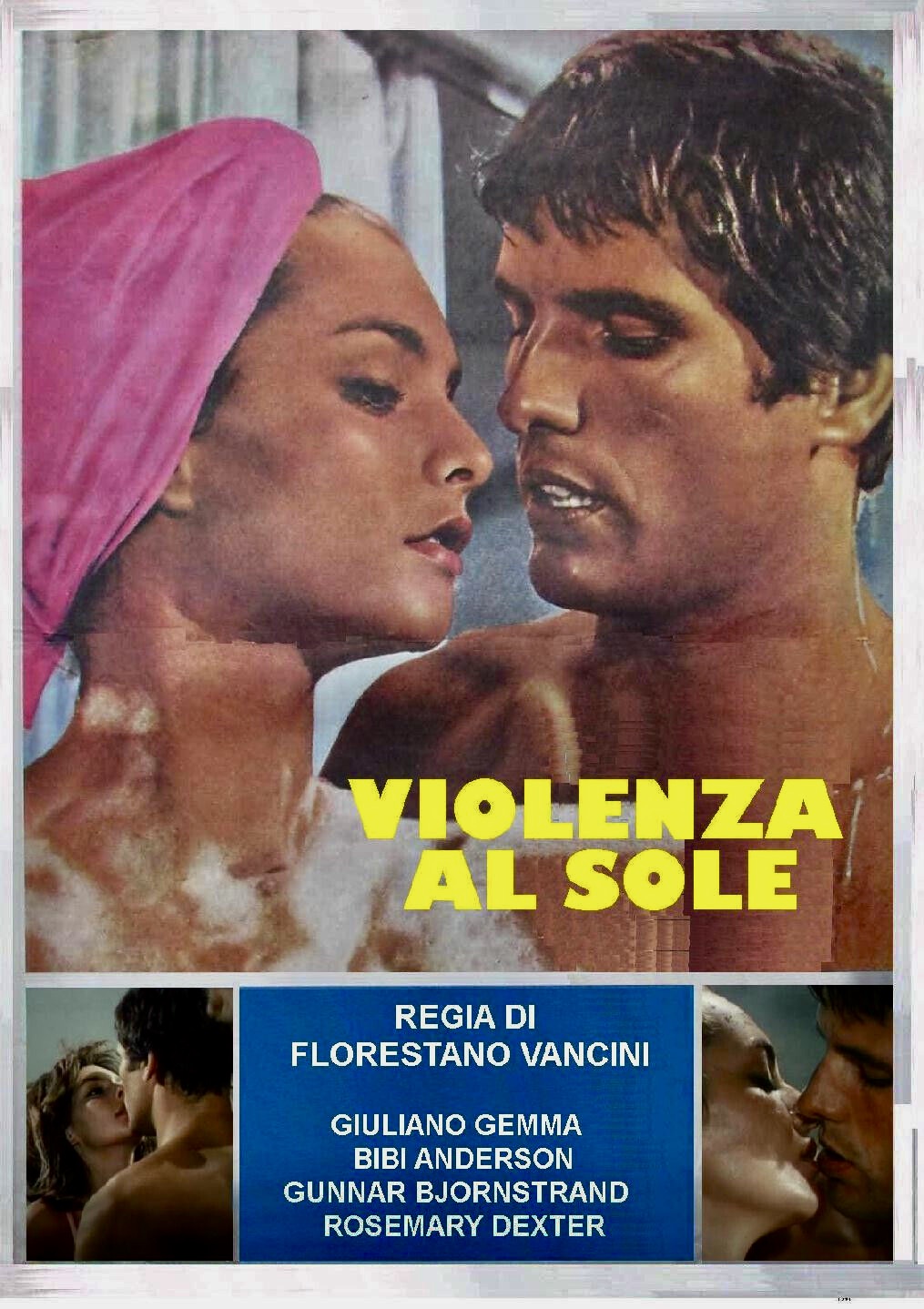
An Italian film poster for the 1969 film BLOW HOT, BLOW COLD.

During the peak years of the Italian film industry in the 1960s and 70s, there were numerous films released which never received a theatrical release in the U.S. and are completely unknown to American audiences. Of course, some of these are forgettable but there are several that deserve a second chance at being re-discovered and Violenza al Sole (English title: Violence in the Sun aka Blow Hot, Blow Cold aka Hot Blood in the Veins, 1969), directed by Florestano Vancini, is a prime example. It is also a fascinating anomaly in the careers of the four main actors, Giuliano Gemma, Rosemary Dexter, and two stars who are most often associated with director Ingmar Bergman, Bibi Andersson and Gunnar Bjornstrand.

Continue reading

A Scorned Woman’s Wrath

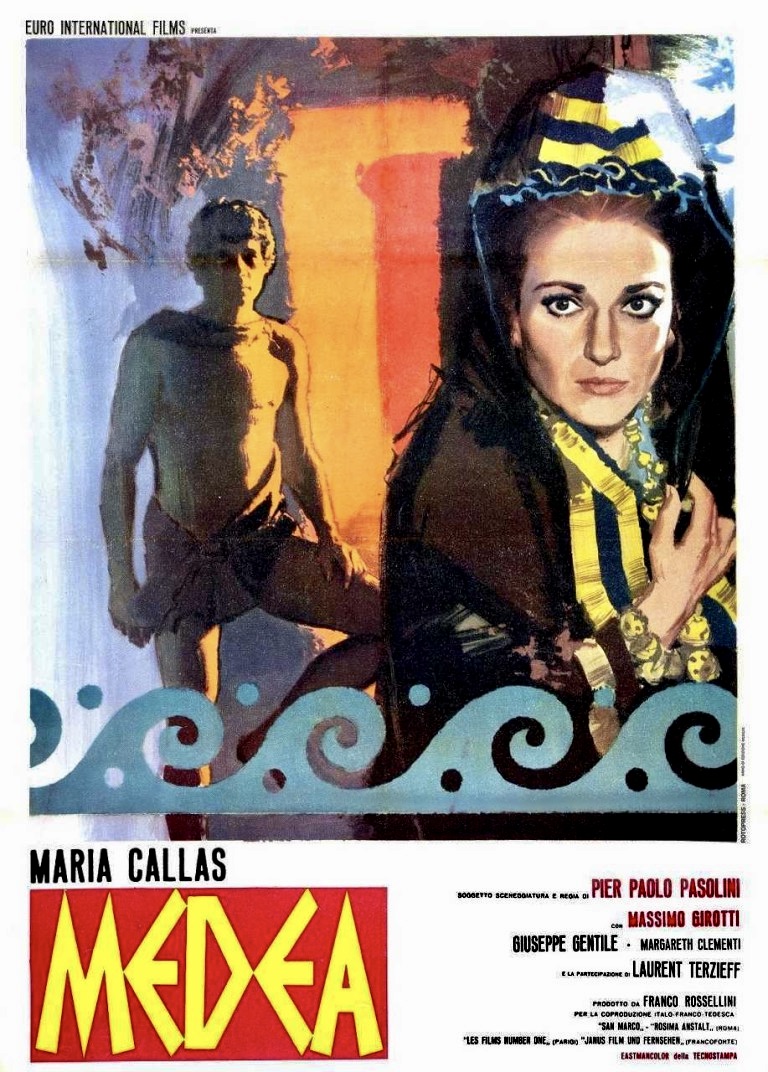
Are you well versed in Greek mythology? You’ll need to be if you take a deep dive into Pier Paolo Pasolini’s 1969 version of Medea starring the world’s most famous opera diva Maria “La Divina” Callas in her only feature film role (and she doesn’t sing). Freely adapting narrative elements from the original Greek myth as well as Euripides’ play, which was first performed in 431 BC, Pasolini presents the tragic tale in the manner of a social anthropologist crossed with an experimental filmmaker dissecting an ancient case history of a marriage gone wrong. If you aren’t familiar with the story of Jason and Medea, this interpretation can be confusing, mysterious and inaccessible at times but it is also one of the most visually and aurally dazzling of the many versions produced on stage, TV or film over the years.

Continue reading

Unholy Alliances

The Italian film poster for the 1994 film THE ARCANE SORCERER

Ever since the international box office success of The Exorcist in 1973, horror films dealing with religion and priests have usually focused on demonic possession. This trend even continues today as witnessed by the release of The Pope’s Exorcist (2023) and The Exorcism (2024), both starring Russell Crowe. A refreshingly different approach to this often formulaic subgenre is L’Arcano Incantatore (English title: The Arcane Sorcerer), a sadly overlooked but richly atmospheric period thriller from Italian director Pupi Avati, which premiered in 1996 but never received an official theatrical release in the U.S.

Continue reading

Revenge in Four Acts

The Italian film poster for DEATH SENTENCE (1968)

Film historians estimate that probably more than 550 spaghetti westerns were made in Europe (mostly Italy and Spain) during the height of that cinematic craze between 1961 to 1977. More than fifty per cent of those offerings were mostly forgettable programmers or mediocre genre fare or outright junk. And probably less than twenty-five per cent of the movies were high water marks or masterworks such as the Sergio Leone ‘Dollars’ trilogy and Once Upon a Time in the West (1968), Sergio Corbucci’s Django (1966) and The Great Silence (1968) and Sergio Sollima’s The Big Gundown (1967). Yet, there were still more than a handful of spaghetti westerns that were stylish examples of the form or offbeat and imaginative enough to warrant special attention and one of those is Sentenza di Morte (English title: Death Sentence, 1968), directed by Mario Lanfranchi.

Continue reading

On the Loose in Amsterdam

The Italian film poster for THE GIRL IN THE PICTURE WINDOW (1961), directed by Luciano Emmer.

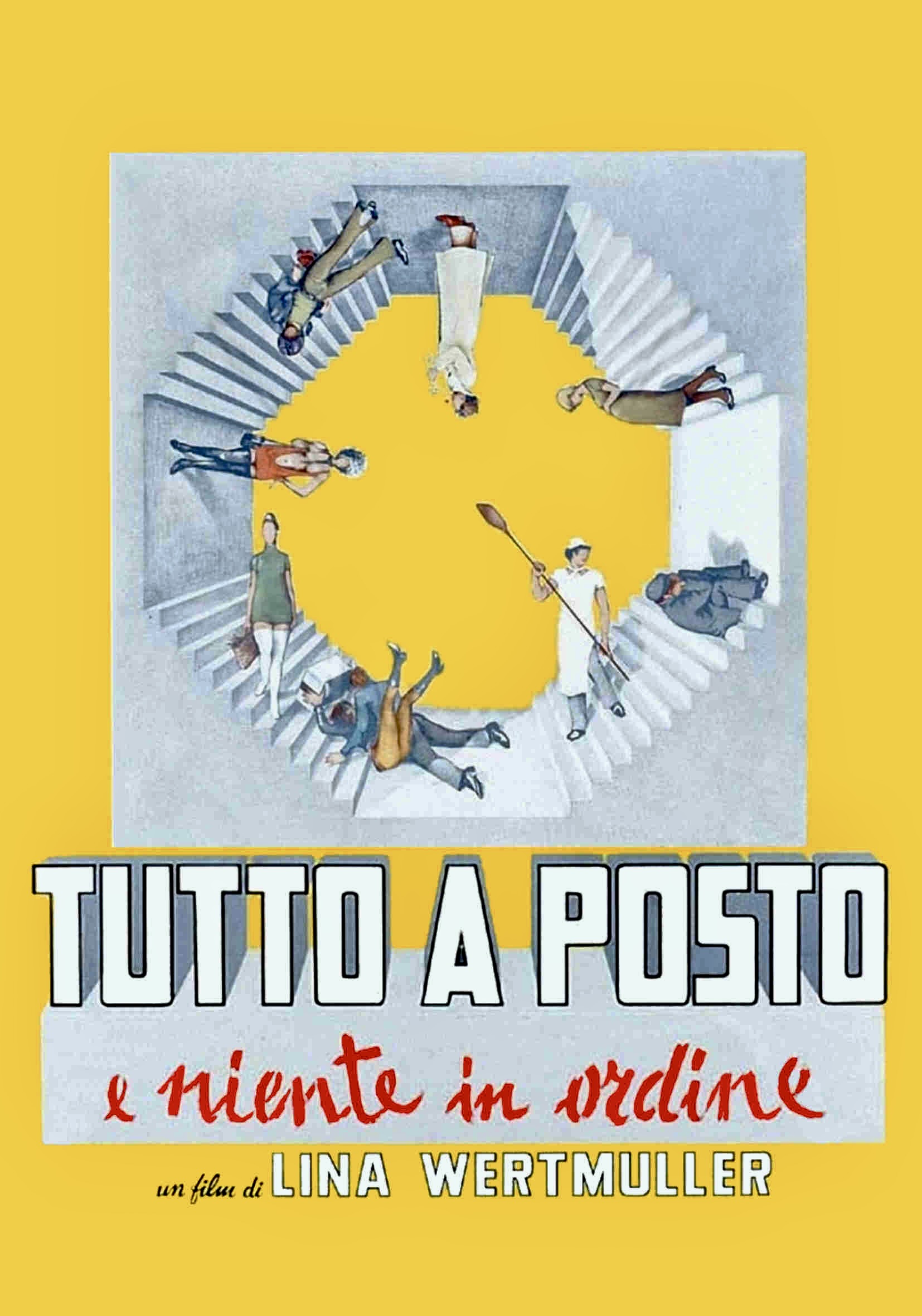
The controversial problem of immigration in Italy has been a problem for decades, not just with internal migration of workers from the south to the north, but also with the influx of refugees from Africa and other areas around the Mediterranean. Not surprisingly, there have been numerous Italian films to address this situation over the years but only a handful of them have received praise and recognition outside their own country. Among them are Pietro Germi’s Il Cammino della Speranza (The Path of Hope, 1950), in which a group of Sicilian workers try to emigrate illegally to France, I Magliari (The Swindlers, 1959), Francesco Rosi’s drama about an out-of-work Italian miner (Renato Salvatore) in Germany, and Lina Wertmuller’s Tutto a Posto e Niente in Ordine (All Screwed Up, 1974), which focuses on immigrants from southern Italy trying to find work in Milan. To this short list, I would like to add Luciano Emmer’s rarely seen La Ragazza in Vetrina (The Girl in the Picture Window, 1961), a tale about two immigrant miners in Belgium who enjoy a weekend getaway in Amsterdam.

Continue reading

Pietro Germi’s Sicilian Marriage Farce

One doesn’t usually expect a film about infidelity, divorce and murder to be a comedy but that’s one reason Divorzio all’italiana (English title: Divorce, Italian Style, 1961) directed by Pietro Germi, became an unexpected international hit. A caustic satire about the Italian male – or more specifically, Sicily’s male dominated culture – the film also poked fun at Italy’s hypocritical judicial system which can forgive crimes of passion but not legally recognize divorce as a solution for failed marriages. Another factor in the movie’s success was Marcello Mastroianni’s beautifully rendered portrayal of the preening, self-absorbed protagonist, a performance which not only won him an Oscar nomination for Best Actor (the first time in Academy Award history that the lead in a foreign language film received that honor) but still ranks as one of the actor’s key films, following closely on the heels of Fellini’s La Dolce Vita (1960) and Antonioni’s La Notte (1961). 

Continue reading