
The Bar Hostess of Ginza

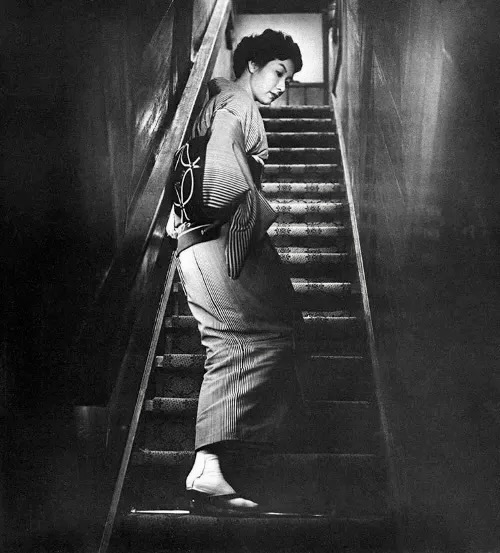
Keiko (Hideko Takamine) prepares to go to work at a bar on the second floor of a popular male destination in WHEN A WOMAN ASCENDS THE STAIRS (1960).

Most fans of Japanese cinema know that the Ginza district of Tokyo is often featured as a setting in films with its vibrant nightlife, intimate bars and fashionable shops, particularly in contemporary movies. Although the district dates back to the Edo period in the 16th century, the area has seen major changes over the years including a devastating fire in 1872 and widespread damage from aerial attacks during WWII. Yet, it always seemed to reinvent itself after every major setback and, by the end of the 1950s, it had become a prosperous symbol of Japan’s post-war recovery with its mix of upscale shoppers, modern buildings and cultural hotspots. It is against this colorful backdrop that Mikio Naruse’s Onna ga Kaidan wo Agaru Toki (English title: When a Woman Ascends the Stairs, 1960) takes place and the central focus is Keiko Yashiro (Hideko Takamine), one of the most popular bar hostesses in the Ginza sector.

Continue reading
Wim Wenders Explores Yasujiro Ozu’s Favorite City

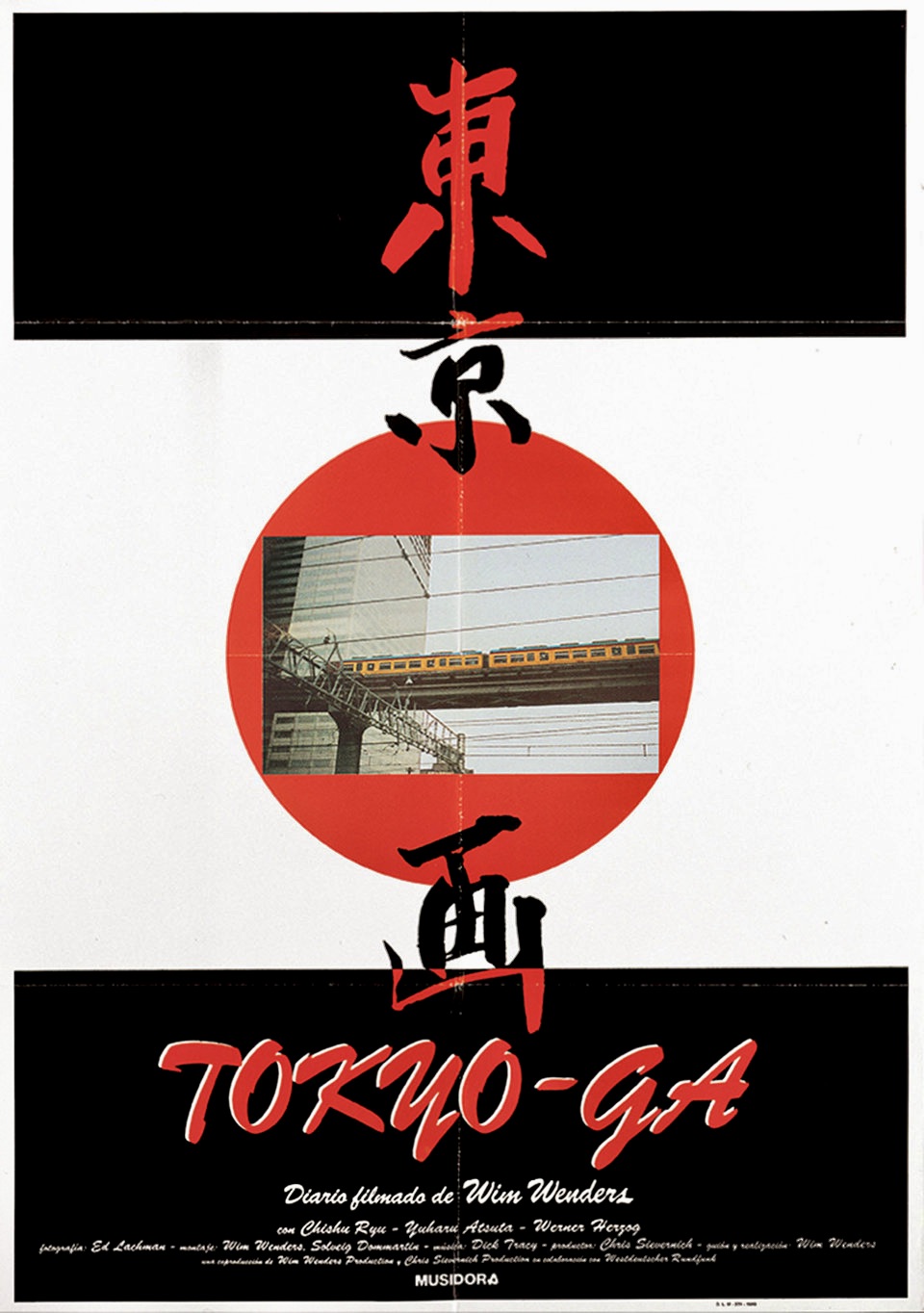
By the time Wim Wenders won the Palme d’Or at Cannes for Paris, Texas in 1984, he was well established as an internationally renowned director. He made his first big splash on the world stage in the early 1970s along with other New German Cinema directors (Werner Herzog, R.W. Fassbinder, etc.) with films such as The Goalie’s Anxiety at the Penalty Kick (1972) and Alice in the Cities (1974). Wenders had also dabbled with non-fiction-like formats in early experimental shorts, music videos and the Cannes-focused TV documentary of various film directors in Chambre 666 (1982). Yet, it was Tokyo-Ga 1985), the feature length portrait he made directly after Paris, Texas, that really triggered Wenders’s interest in not just non-fiction filmmaking but in Japan cinema and culture, especially the works of Yasujiro Ozu.

Continue reading