Johnny Rotten’s Alter Ego

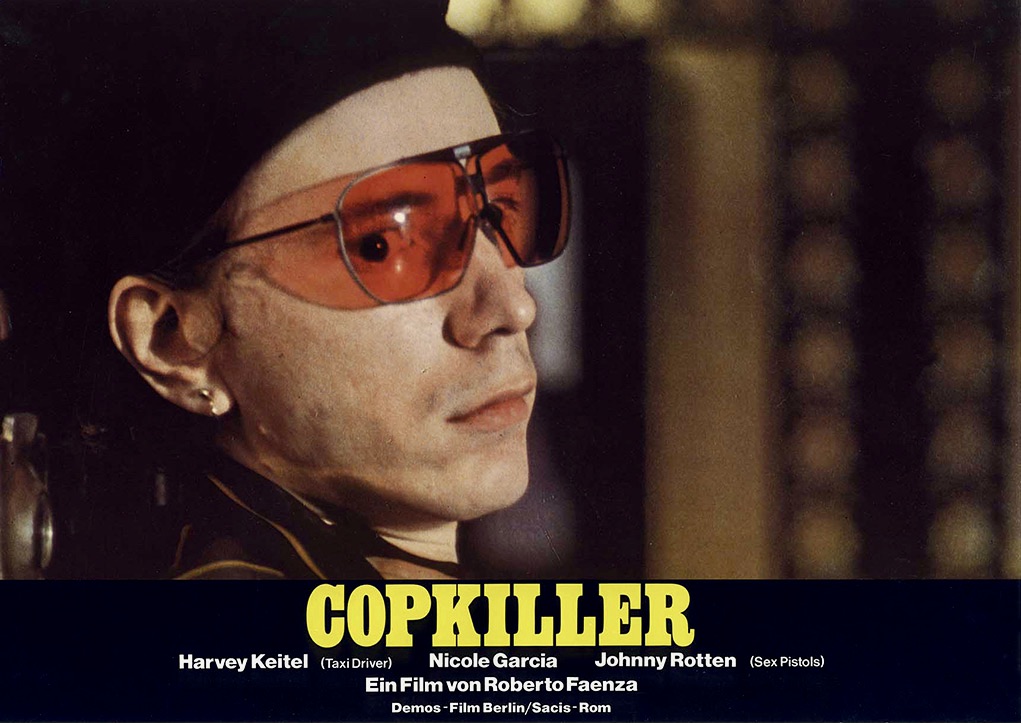
Some movies fall through the cracks and then are rediscovered years later by movie geeks who are amazed that such formerly “lost films” even exist. Such is the case with Corrupt (1983), which was also released in some markets as Copkiller and Order of Death, the title of the psychological thriller by novelist Hugh Fleetwood which was adapted for this film. An international production with Italian and French financing, the movie marked the dramatic film debut of John Lydon aka Johnny Rotten of The Sex Pistols fame (he had previously played a version of himself in Julien Temple’s The Great Rock ‘n’ Roll Swindle [1980], which was a semi-autobiographical/fantasy account of Malcolm McLaren and his promotion/management of The Sex Pistols). Corrupt also featured Harvey Keitel in the other major role and the music score was composed by Ennio Morricone.  Due to poor distribution and marketing (those alternate titles didn’t help), the film quickly vanished from theaters but it holds up today as a fascinating precursor to Abel Ferrara’s Bad Lieutenant (1992) while channeling some of the yin-yang duality of Donald Cammel & Nicolas Roeg’s Performance (1976).

Continue reading
Seeing is Believing

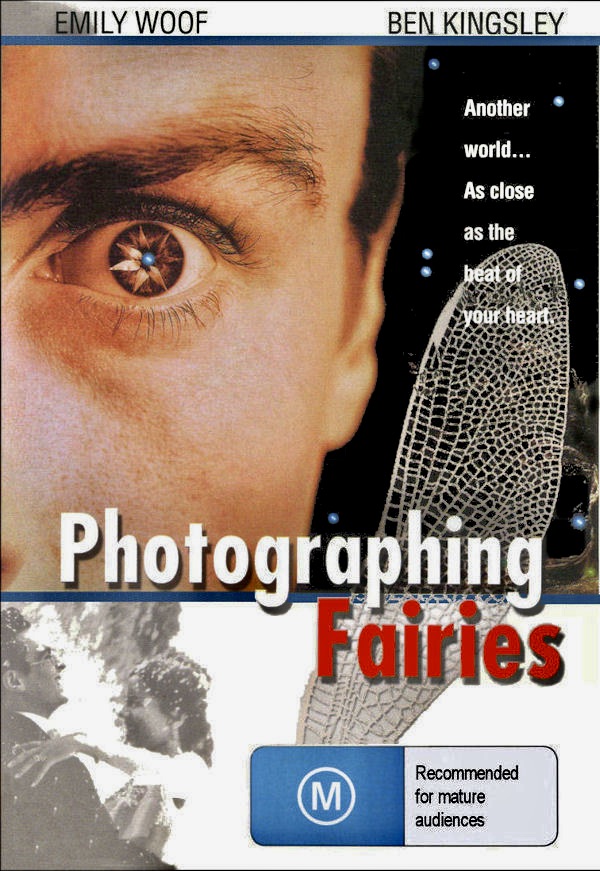
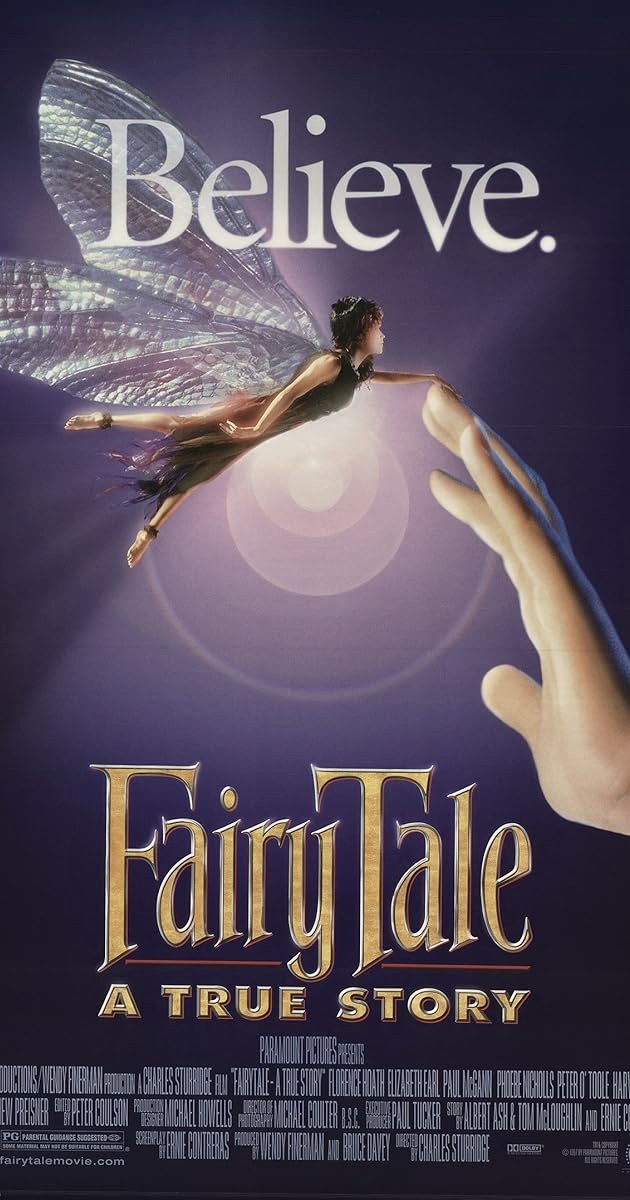
In 1917 sixteen year old Elsie Wright and her nine year old relative Frances Griffith were playing in the Wright family garden in Cottingley, England. Elsie borrowed her father’s camera to take some photos of Frances playing and a few months later she borrowed the camera again with both girls snapping photos. When the photos were developed, both girls but mainly Frances, were seen cavorting with what looked like fairies. Elsie’s father thought the photographs were faked but Elsie’s mother believed they revealed actual sprites and the photos were revealed to the public in 1919, creating an international sensation. The incident attracted the attention and support of the Theosophical Society in Bradford, England and prominent people like author Sir Arthur Conan Doyle, who was involved in the spiritualist movement, found the evidence convincing. The photographs were also denounced by non-believers like Harry Houdini, who famously campaigned against fraudulent psychics and mediums. For years, the Cottingley fairies remained a source of mystery and fascination and, in 1997, strangely enough, two different movies on the subject were produced and released in the U.K., FairyTale: A True Story and Photographing Fairies.

Continue reading

To Look or Not to Look

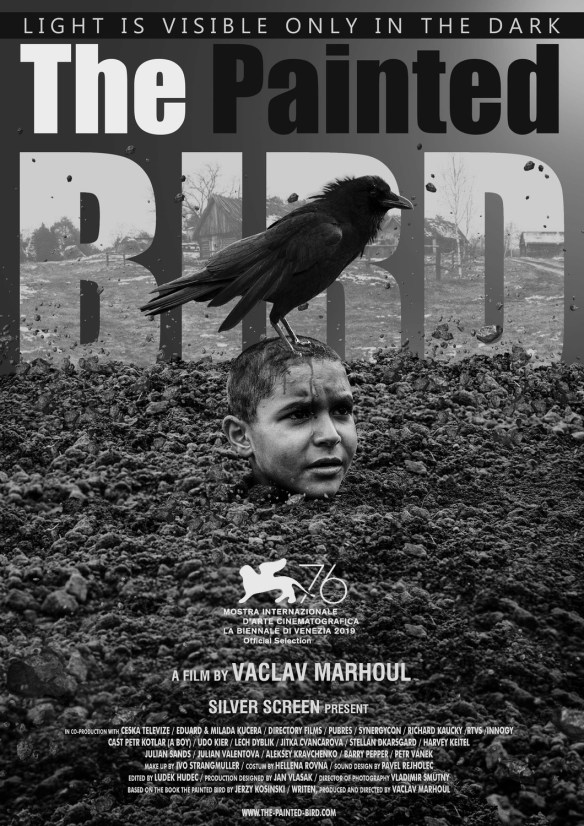
Have you ever had to look away from the screen while watching a movie because you couldn’t bear to see what happened next? Do you have a threshold tolerance level of what you will watch before you become outraged or repulsed and walk out of a film? There have certainly been controversial movies over the years – both art and exploitation features – that have tested the limits of what viewers will watch. Lars von Trier’s Antichrist (2009), Gaspar Noe’s Irreversible (2002), Meir Zarchi’s I Spit on Your Grave (1978), Nagisa Oshima’s In the Realm of the Senses (19776), Pier Paolo Pasolini’s Salo, or the 120 Days of Sodom (1975), and Wes Craven’s The Last House on the Left (1972) are just a few of the more famous offenders that have provoked heated debates over censorship and creative expression. We now have a new test case – The Painted Bird (2019), Czech filmmaker Vaclav Marhoul’s big-screen adaptation of Jerzy Kosinski’s dark masterpiece from 1965.   Continue reading