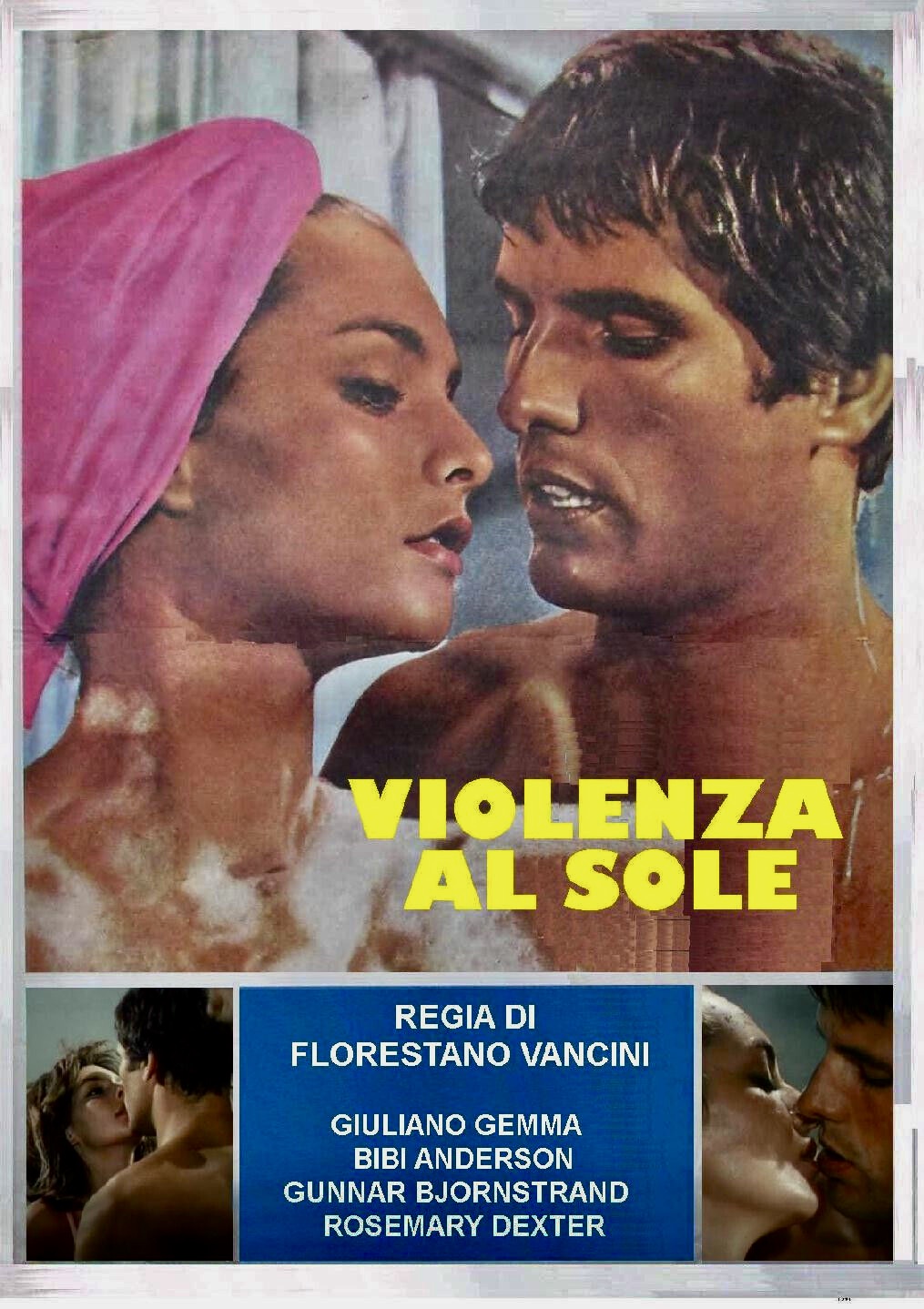
During the peak years of the Italian film industry in the 1960s and 70s, there were numerous films released which never received a theatrical release in the U.S. and are completely unknown to American audiences. Of course, some of these are forgettable but there are several that deserve a second chance at being re-discovered and Violenza al Sole (English title: Violence in the Sun aka Blow Hot, Blow Cold aka Hot Blood in the Veins, 1969), directed by Florestano Vancini, is a prime example. It is also a fascinating anomaly in the careers of the four main actors, Giuliano Gemma, Rosemary Dexter, and two stars who are most often associated with director Ingmar Bergman, Bibi Andersson and Gunnar Bjornstrand.
Continue readingTag Archives: Ennio Guarnieri
A Scorned Woman’s Wrath
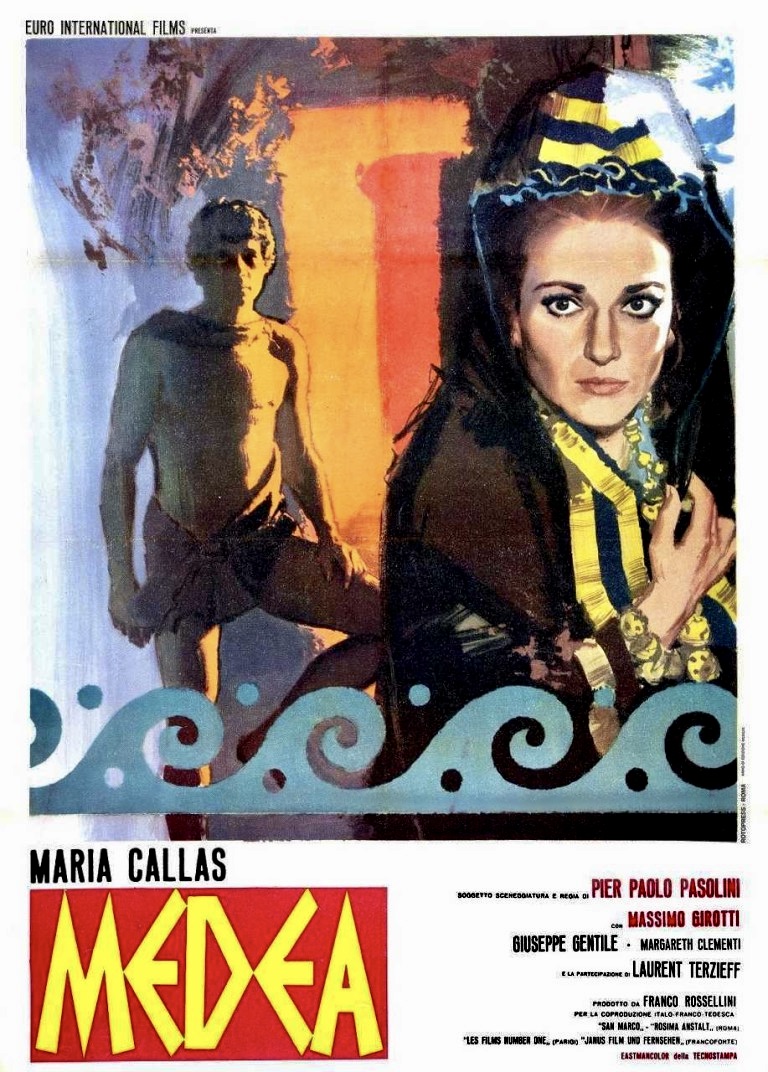
Are you well versed in Greek mythology? You’ll need to be if you take a deep dive into Pier Paolo Pasolini’s 1969 version of Medea starring the world’s most famous opera diva Maria “La Divina” Callas in her only feature film role (and she doesn’t sing). Freely adapting narrative elements from the original Greek myth as well as Euripides’ play, which was first performed in 431 BC, Pasolini presents the tragic tale in the manner of a social anthropologist crossed with an experimental filmmaker dissecting an ancient case history of a marriage gone wrong. If you aren’t familiar with the story of Jason and Medea, this interpretation can be confusing, mysterious and inaccessible at times but it is also one of the most visually and aurally dazzling of the many versions produced on stage, TV or film over the years.
Continue readingDisconnected and Lost in Capri
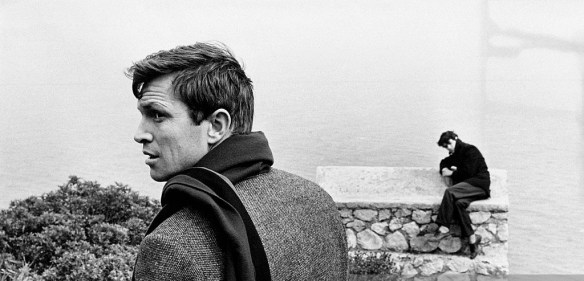
When did alienation in modern society become a favorite thematic concern in the culture and the arts, particularly in the cinema? Certainly the films of Michelangelo Antonioni addressed the inability of people to connect, feel or relate to each other in a post-industrial age world as early as 1957 in Il Grido. But by the early sixties, it seemed as if every major film director in the world was addressing the topic on some level. A general sense of malaise was in the air as if the modern world was having a counterproductive effect on humanity, creating a sense of futility, amorality or complete apathy. You could see aspects of this reflected in Federico Fellini’s La Dolce Vita (1960), Ingmar Bergman’s Through a Glass Darkly (1961), Alain Resnais’s Last Year at Marienbad (1961), Luis Bunuel’s The Exterminating Angel (1961) and Jean-Luc Godard’s My Life to Live (1962). All of these are considered cinematic masterworks of the 20th century but there are also many worthy and lesser-known contributions to the pantheon of alienation cinema and one of the most strikingly is Il Mare (The Sea), the 1963 directorial debut of Giuseppe Patroni Griffi. Continue reading