The Sniper’s Conundrum

Maryutkh (Izolda Izvitskaya), a Red Army sharpshooter, prepares to greet some approaching White Army members in the Russian Revolution war drama THE FORTY-FIRST (1956).

After the death of Soviet premier Joseph Stalin in 1953, Russia began to experience a less repressive period in the arts, especially the cinema, which had previously been used for mostly propaganda purposes. During this brief period, which flourished between 1953 and 1967, Russian filmmakers were allowed to explore the artistic possibilities of the medium, resulting in a number of cinematic masterpieces which enjoyed international distribution, even in the U.S. Among the more famous of examples from the “Cinema of the Thaw” (as it came to be called) are Sorok Pervyy (The Forty-First, 1956), Letyat Zhuravli (The Cranes are Flying, 1956), the historical epic, Tikhiy Don (And Quiet Flows the Don (1957), Don Kikhot (Don Quixote, 1957), The Idiot (1958), based on the novel by Fyodor Dostoevsky, and Ballada o Soldate (Ballad of a Soldier, 1959). The latter film, in particular, which won a special award for director Grigori Chukhrai at the Cannes Film Festival, is still considered a high water mark for Soviet cinema in the 50s but it is Chukhrai’s debut film, The Forty-First, which launched the director’s career and is in danger of being forgotten.

Continue reading
Searching for Kenyon Hopkins

Film composer and jazz musician Kenyon Hopkins (1912-1983)

How is it that one of the most distinctive and influential film composers of his generation is practically unknown today and almost all of his records out of print and unavailable in any reissue format? Of the many scores listed in his filmography only a few have been re-released on CD in recent years such as The Hustler, Downhill Racer and Baby Doll, which is already out-of-print, but what of the rest? 12 Angry Men, Wild River, Lilith, The Strange One, Mister Buddwing, This Property is Condemned, The Yellow Canary, The Fugitive Kind…and I haven’t even mentioned the space age bachelor pad music he created with the Creed Taylor Orchestra – Nightmare, Shock Music in Hi-Fi, Panic: The Son of Shock and more.  

Continue reading

Hot Nocturne

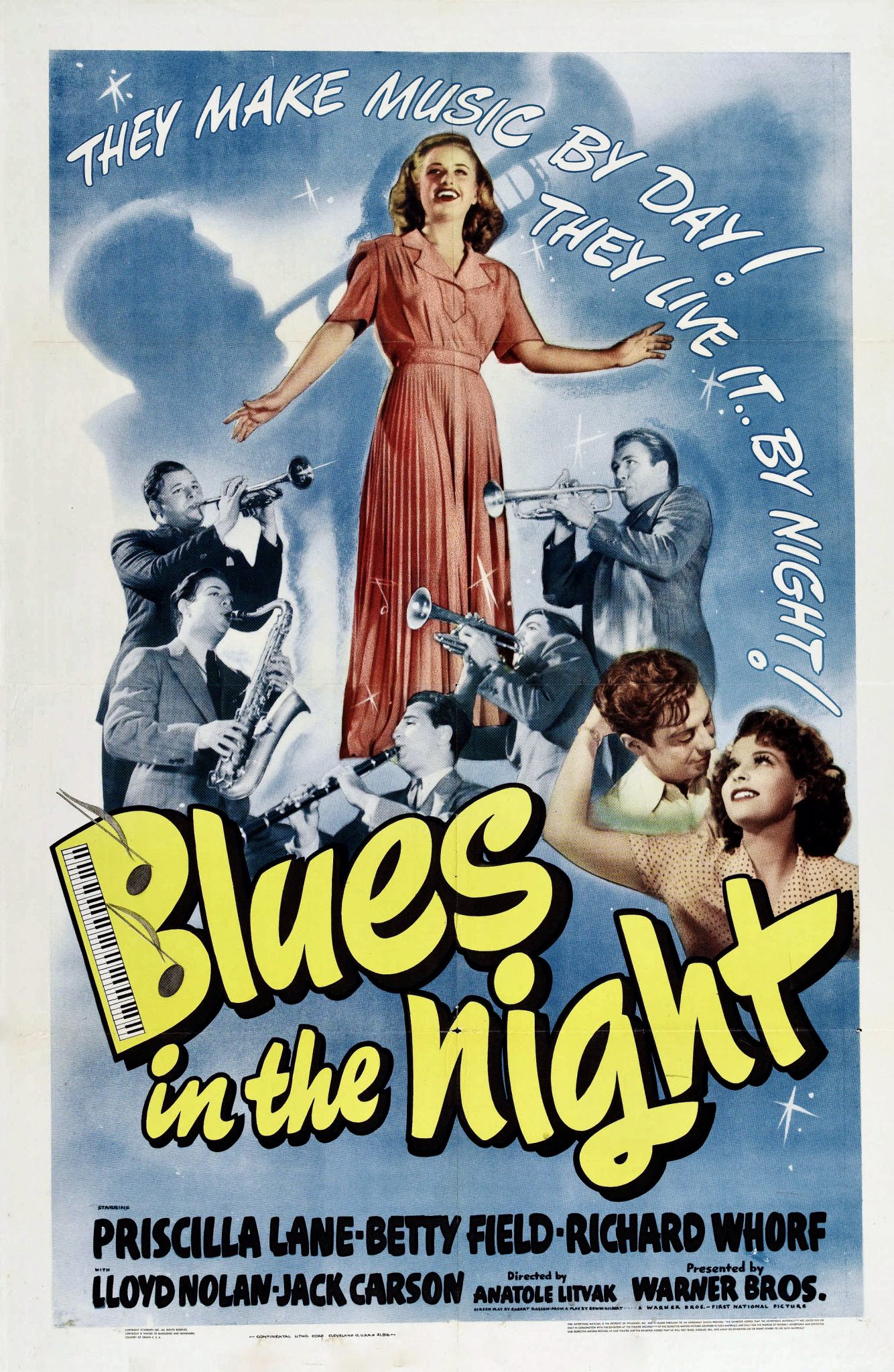
Most Hollywood films about musicians that were made during the studio era were usually biopics and focused on individual artists such as George Gershwin (Rhapsody in Blue, 1945) and Glenn Miller (The Glenn Miller Story, 1954). It was rare to see a feature film that detailed the ups and downs of an entire band and, in the case of 1941’s Blues in the Night, the featured jazz sextet was entirely fictitious. Originally titled Hot Nocturne, the name was changed just prior to its theatrical release to capitalize on the Harold Arlen-Johnny Mercer hit song that became its signature tune.

Continue reading