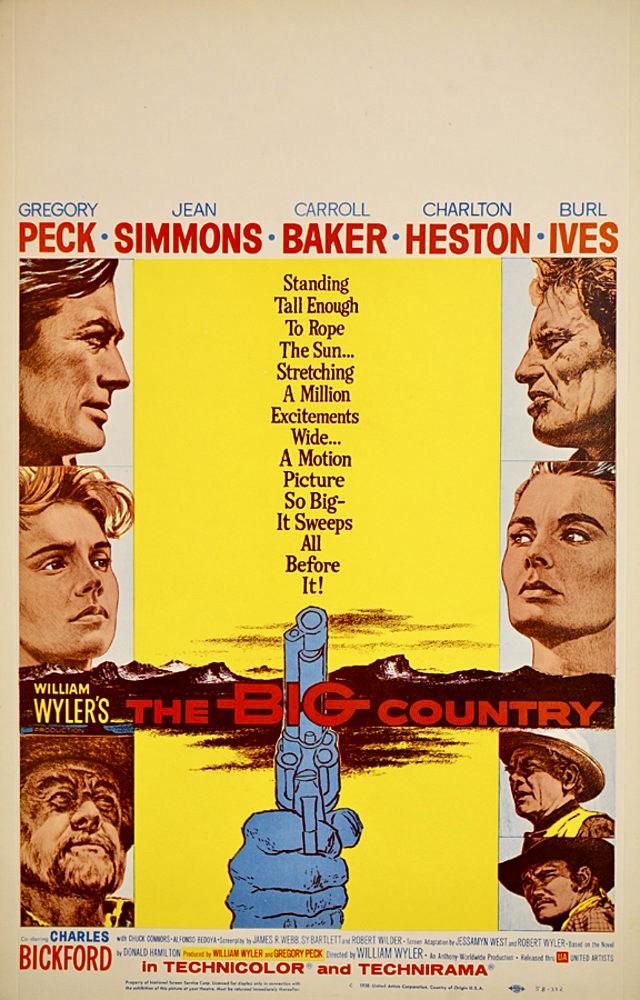
Director William Wyler had spent most of his film career trying to gain creative control of his pictures but kept falling short of his goal in his dealings with Paramount and other studios. In 1956, he attempted to remedy that situation by entering into a joint venture with his good friend, Gregory Peck, to create an epic western called The Big Country (1958). In Wyler’s words, the film was “about a man’s refusal to act according to accepted standards of behavior. Customs of the Old West were sort of debunked.”
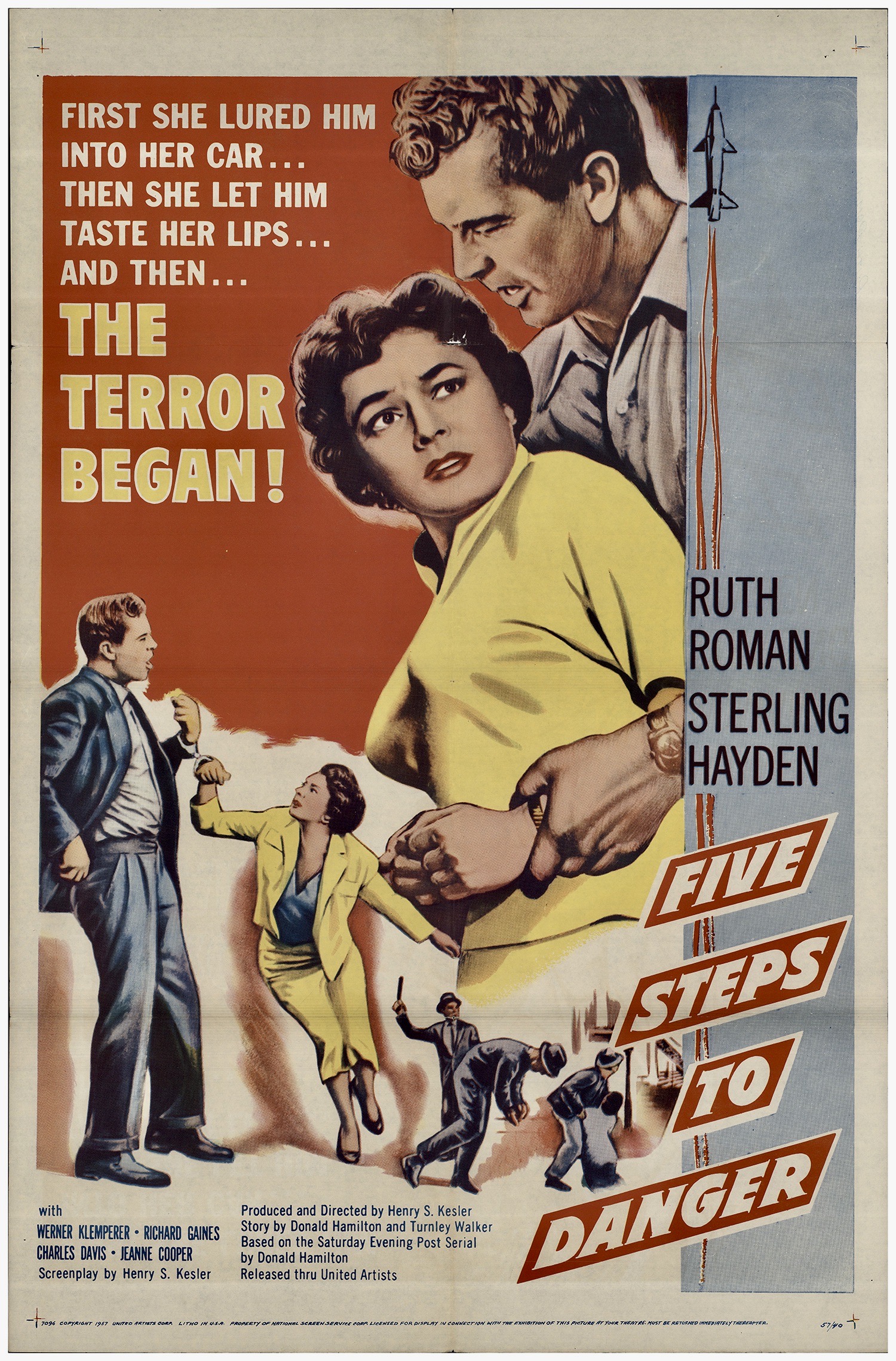
Only two years after WW2 officially ended on September 2, 1945, relations between the United States and the USSR cooled and became frosty, ushering in The Cold War era, which lasted until the dissolution of the Soviet Union on December 26, 1991. Hollywood was quick to capitalize on this disturbing new reality by producing and releasing a string of anti-communist dramas, adventures and spy thrillers, many of them grade A productions with major stars from the top studios. One of the earliest releases was The Iron Curtain (1948) from 20th-Century-Fox, which was directed by William A. Wellman and reunited Dana Andrews and Gene Tierney from Laura in a true life story about a Soviet defector in Canada. Many others followed such as The Red Danube (1949) and Conspirator (1949) from MGM, Diplomatic Courier (1952) with Tyrone Power battling Soviet agents in post-war Europe and Leo McCarey’s infamous red scare melodrama, My Son John (1952). Even John Wayne got on the patriotic bandwagon and sounded off against the commies in Big Jim McLain (1952) from United Artists, Blood Alley (1955) from Warner Brothers, and Jet Pilot (1957) from RKO. All of these, however, were high profile releases compared to 5 Steps to Danger (1957), a modest but highly entertaining indie feature from Grand Productions (distributed by United Artists), which teamed up Sterling Hayden and Ruth Roman.

 Cinema Sojourns