Cecil B. DeMille’s Seafaring Epic

When fans of classic films from Hollywood’s golden era exclaim “They don’t make ‘em like they used to,” they are usually referring to the kind of lavish, big-budget, audience-pleasing entertainments that were the specialty of Cecil B. DeMille during the silent and sound eras. Often derided by some critics as being corny and bombastic with an exploitable mix of sex, violence and quasi-religious elements, his most popular films were always in sync with what audiences wanted from a movie during his 45-year reign as a major Hollywood director/producer. Three of DeMille’s biblical epics, The Ten Commandments (1923), The King of Kings (1927), and Samson and Delilah (1949), along with Reap the Wild Wind (1942) are still considered some of the biggest box office hits in the history of Hollywood. The latter film, in particular, is an excellent example of his larger-than-life approach to storytelling mixing rival sea captains, a hurricane, and a giant red squid into a torrid romantic saga based on Thelma Strabel’s best selling novel.

Continue reading

Three Men and a Baby

Moviegoers often complain about the Hollywood practice of remaking a film that was popular the first time around so why make it again. The answer is obvious. A good story is worth retelling again and again and author Peter B. Kyne is one of those writers whose various novels and stories have been adapted to the screen more than 100 times, especially during the silent and early sound era. Many of these works were also adapted by screenwriters without his consent or any compensation from the studios but most film buffs will recognize his most popular creation, which was a 1913 novella entitled Three Godfathers (It first appeared in The Saturday Evening Post in November 1912). D.W. Griffith made a short silent version of it in 1913 with Harry Carey called The Sheriff’s Baby. There was a Universal silent version in 1916 which also starred Harry Carey, then a remake directed by John Ford in 1920 called Marked Men, and yet another remake by Ford in color and starring John Wayne in 1948 entitled 3 Godfathers. Other adaptations include a made-for-TV version entitled The Godson in 1974 and even a 2003 Japanese anime called Tokyo Godfathers from director Satoshi Kon as a homage to the original story. But one version that is often overlooked is Hell’s Heroes (1929) directed by William Wyler.

Continue reading

Life is a Carnival

The Japanese film poster for THE WIND-OF-YOUTH GROUP CROSSES THE MOUNTAIN PASS (1961).

Most Japanese film fans and cult movie buffs are certainly familiar with maverick director Seijun Suzuki for his ultra-stylish and unconventional yakuza thrillers Tokyo Drifter (1966) and Branded to Kill (1967). Not as well known are the numerous genre films he was assigned by his studio Nikkatsu in the late fifties/early sixties. One of his most atypical efforts is The Wind-of-Youth Group Crosses the Mountain Pass (Japanese title: Toge o wataru wakai kaze, 1961), which is like a more adult variation on James Otis Kaler’s Toby Tyler or Ten Weeks with a Circus except, in this case, the protagonist is not a kid but a college student majoring in economics. There is also no circus, just a traveling carnival troupe with an uncertain future. Yet, the tone is surprisingly upbeat and cheerful with moments of slapstick comedy, musical interludes, dramatic incidents and a subplot involving competitive yakuza gangs, who are closer to bumbling schoolyard bullies than menacing gangsters.

A massive lantern float lights up the nightime sky in THE WIND-OF-YOUTH GROUP CROSSES THE MOUNTAIN PASS (1961), a Japanese film about a traveling carnival troupe.
Continue reading

Honoring Marie Prevost

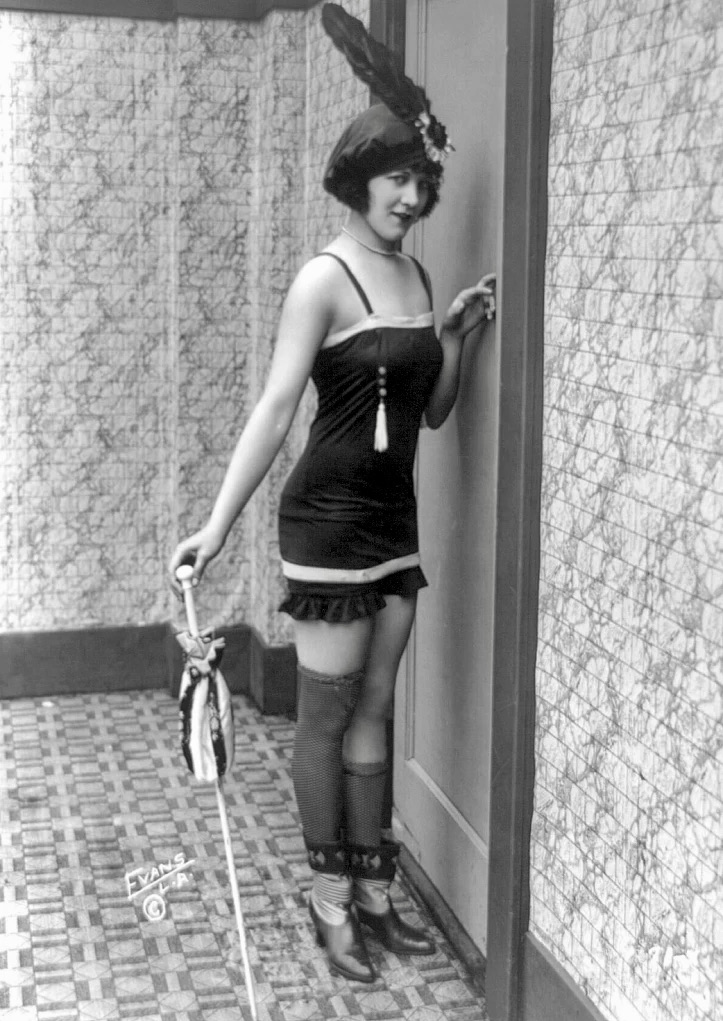
Actress Marie Prevost from her early screen career as a Mack Sennett bathing beauty.

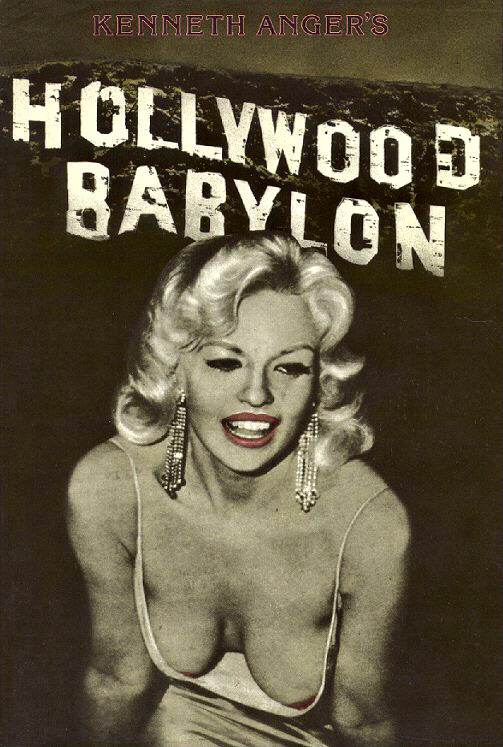
I can remember the first time I ever heard of Marie Prevost. It was while I was reading Kenneth Anger’s Hollywood Babylon back in 1975. For a book loaded with salacious and unsubstantiated stories about many famous stars, the tiny entry on this actress was particularly unkind and disturbing. There was a coroner photograph of Prevost (supposedly) lying on her stomach in bed with what looked like abrasions on her skin with the photo caption “Doggie’s Dinner.”

Continue reading