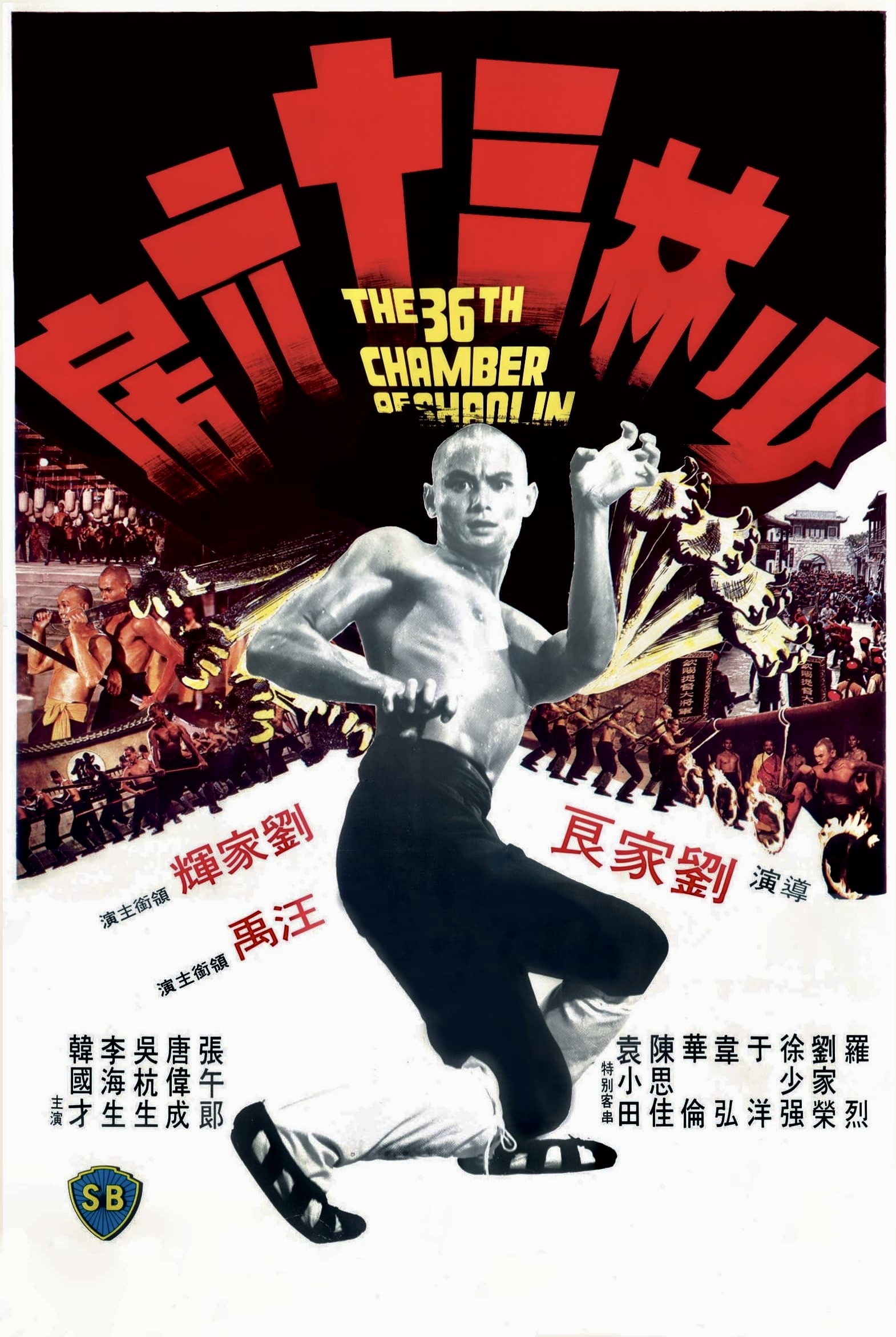
Master of Hung Gar

Did you know that there are more than 180 styles of martial arts practiced around the world and that includes karate, judo and other similar forms? Many experts trained in Chinese martial arts generally agree that one of the oldest forms of this practice and the most difficult to master is the Hung Gar style which can be traced back to the 17th century. That is also the time period featured in Shao Lin sans hi liu fang (English title: The 36th Chamber of Shaolin aka Master Killer aka Shaolin Master Killer, 1978). The film, directed by former actor Chia-Liang Liu (aka Lau Kar-Leung), is considered one of the cornerstones of Hong Kong martial arts cinema and it showcases the fluid movements and balletic grace of the Hung Gar style as practiced by its star, Chia-Hui Liu aka Gordon Liu.

Continue reading
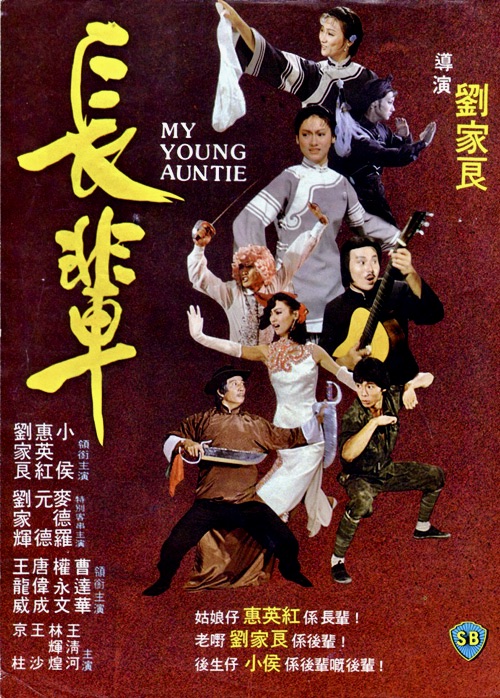
Where the Wild Things Are

Remember the first wave of Hong Kong cinema to hit American movie screens in 1972? Bruce Lee was transformed into an international superstar after the release of The Big Boss and Fist of Fury and other martial arts masters like Jimmy Wang Yu and Lieh Lo developed cult followings for films such as One-Armed Boxer and Five Fingers of Death. Most of these movies were the product of a male-dominated film industry but, as early as the mid-sixties, female heroines begin to emerge in the genre as witnessed by Cheng Pei Pei in King Hu’s Come Drink with Me (1966). Others would follow like Angela Mao in Deadly China Doll (1973) and Kara Hui in My Young Auntie (1981).

The Hong Kong movie business became even more diversified in 1988 after a new censorship ordinance created a rating system: Category I (general viewing), Category II (parental guidance) and Category III (adults only over 18 years of age). That third category quickly became notorious for an anything-goes-approach to the depiction of sex and violence on-screen. A major turning point was 1991 when Michael Mak’s Sex and Zen, Robotrix starring Amy Yip, and Black Cat with Jade Leung in the title role were among the first to push these boundaries to extremes in Hong Kong cinema. Martial arts actioners got even more outrageous the following year with the release of Chik Loh Goh Yeung (English title: Naked Killer (1992), in which a pair of lesbian assassins terrorize the male scumbags of Hong Kong before squaring off against a rival duo of lesbian hired killers.

Continue reading

Kuan Tai Chen in Action

Several years before the martial arts film craze erupted in the U.S. in the early seventies, Chinese action films classified as wuxia, a combination of sword fighting and martial arts in a period setting featuring noble anti-heroes, were already dominating the Hong Kong film industry. The masterminds behind this new trend were Runme and Runde Shaw, who had initially founded the Tianyi Film Company in Shanghai with their brother Runje in 1925. Once they opened their Hong Kong movie studio in 1958, the two Shaw Brothers begin to produce box-office hits like the 1962 historical drama The Magnificent Concubine. Then, the unexpected success of The One-Armed Swordsman in 1967 launched a new action genre for the studio and the floodgates were open. One of the best of these latter efforts is The Boxer from Shantung (1972), which was a major hit in China but is not as well known here. Starring martial arts expert Kuan Tai Chen, the film is a spectacular showcase for the charismatic athlete/performer and a wonderful introduction to martial arts movies produced by the Shaw Brothers.

Continue reading