Pedro Costa’s O Sangre

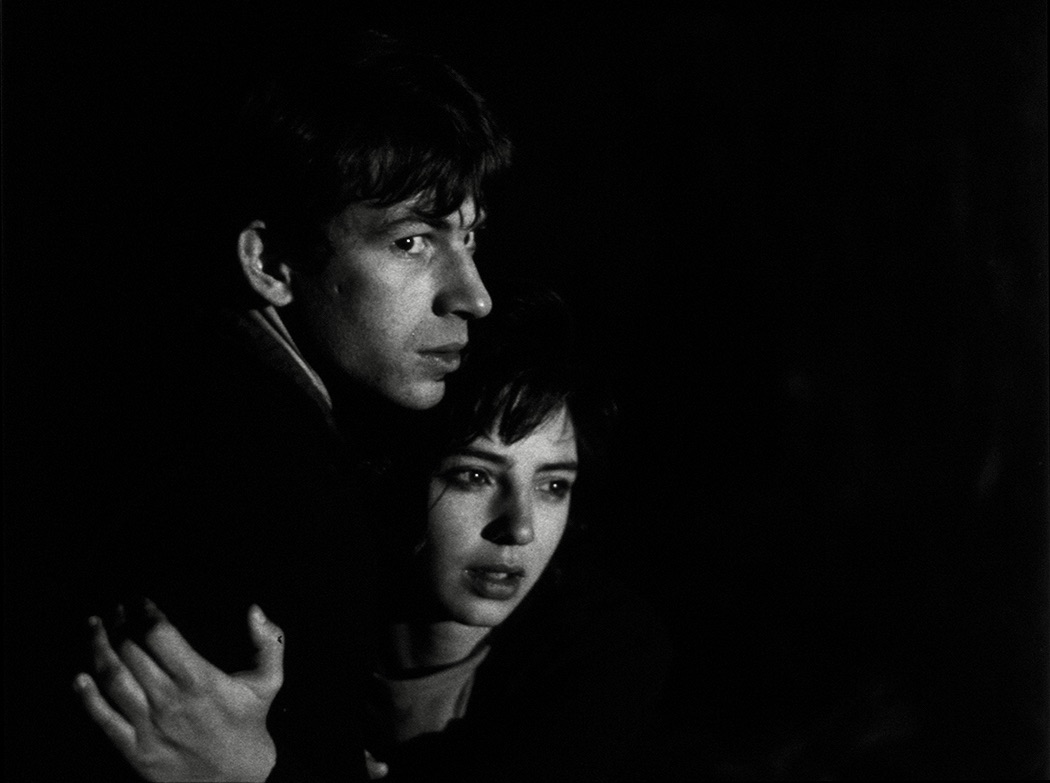
Vicente (Pedro Hestnes) and Clara (Ines de Medeiros) create their own version of family to combat the darkness in O SANGRE aka Blood (1989), directed by Pedro Costa.

Most film aficionados known that the Cinema Novo movement of the 1960s in Brazil was influenced by both Neorealism and New Wave filmmakers but became an identifiable style of its own. Portugal also had their own Cinema Novo movement in the sixties but it transitioned into a different aesthetic approach in the 1980s known as “The School of Reis,” named after Antonio Reis, a filmmaker and professor at the Lisbon Theater and Film School. Reis influenced a new generation of filmmakers that includes Manuela Viegas, Joaquim Sapinho, Joao Pedro Rodgrigues and Pedro Costa to name a few. Among this group Costa is probably the best known in the U.S. due to his work being exhibited at film festivals and art houses as well as a trilogy of his films known as Letters from Fontainhas being distributed on DVD and Blu-ray by The Criterion Collection. Less known is his 1989 debut feature, O Sangre aka Blood, which Michelle Carey of Senses of Cinema called, “Undoubtedly one of the most remarkable film debuts of the last 20 years.”

Continue reading
Life in Transition

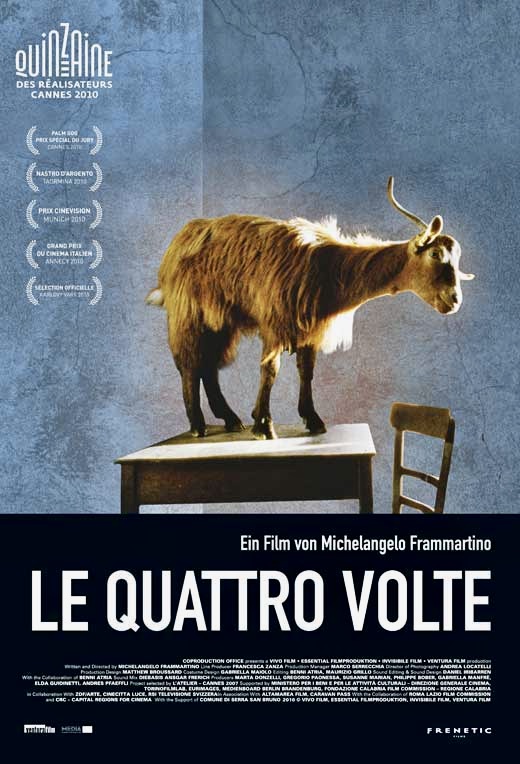
Smoke fills the screen and drifts toward the sky. We see black earth that is steaming and could be cooling lava. Then we notice small holes punched into the dark topography where smoke is being released. A wide shot reveals that we are looking at a mound of charred material that is being raked by a worker at the top of the heap. Where are we and what are we looking at? Michelangelo Frammartino’s Le Quattro Volte (2010), which roughly translates as The Four Times, is an immersive but often disorienting portrait of life in the village of Caulonia, Italy, which often requires the viewer to make sense of a visual detail or local ritual without a frame of reference. This is not detrimental, however, to the film’s exploratory narrative but one which is enriched by a sense of mystery and wonder.

Continue reading

A Village Memoir

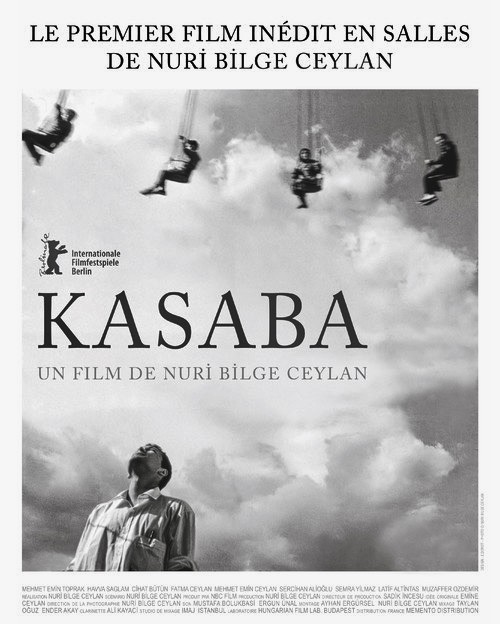
Some of the world’s most famous directors have made autobiographical features at some point in their careers with their childhood, family life or home town as the central focus. We have seen this in Federico Fellini’s Amarcord (1973), Ingmar Bergman’s Fanny and Alexander (1982), Richard Linklater’s Dazed and Confused (1993), Spike Lee’s Crooklyn (1994) and Steven Spielberg’s The Fabelmans (2022). Some directors even made their film debut with an autobiographical feature such as Francois Truffaut with The 400 Blows (1959) and Turkish director Nuri Bilge Ceylan can lay claim to this as well with Kasaba (English title: The Small Town, 1997), which is based on a short story by his sister Emin Ceyland entitled Cornfield. The movie depicts family life in a rural village in Turkey as seen through the eyes of a girl, Asiye, and her younger brother, Ali.  

Continue reading

There is No Joy in Tarrville

The Hungarian film poster for DAMNATION (1988), directed by Bela Tarr.

What would it be like to live under a totalitarian regime in a godforsaken rural area where society has collapsed under economically depressed circumstances? In a place where there is no work or even a social structure, people turn to alcohol, violence, suicide, madness or a combination of the four. Capturing the psychological state of mind and physical reality of such an existence is a specialty of Hungarian director Bela Tarr, who became a filmmaker in Soviet controlled Hungary in 1978. He has since become a world-renowned artist who is best known for Satantango (1994), his seven hour and 19 minute epic about the disintegration of a collective farming community. Many Tarr aficionados believe a more accessible starting point for a beginner is Werckmeister Harmonies (2000), a weird, dreamlike fable about a village that descends into chaos after the arrival of a mysterious carnival attraction. I consider both of those masterworks but a better entry point to his brand of cinema might be Karhozat (English title: Damnation) from 1988. It is shorter (a mere two hours) than his two better known works but also the film that launched his international career and a visually fascinating example of his slow cinema aesthetic which favors long, uninterrupted camera shots that can often last from six to eleven minutes in length. It is also occasionally lumped into that genre known as cinema miserablism by some critics but feels more like a deep dive into a dense but atmospheric novel.

Continue reading

The Insurrection Cometh

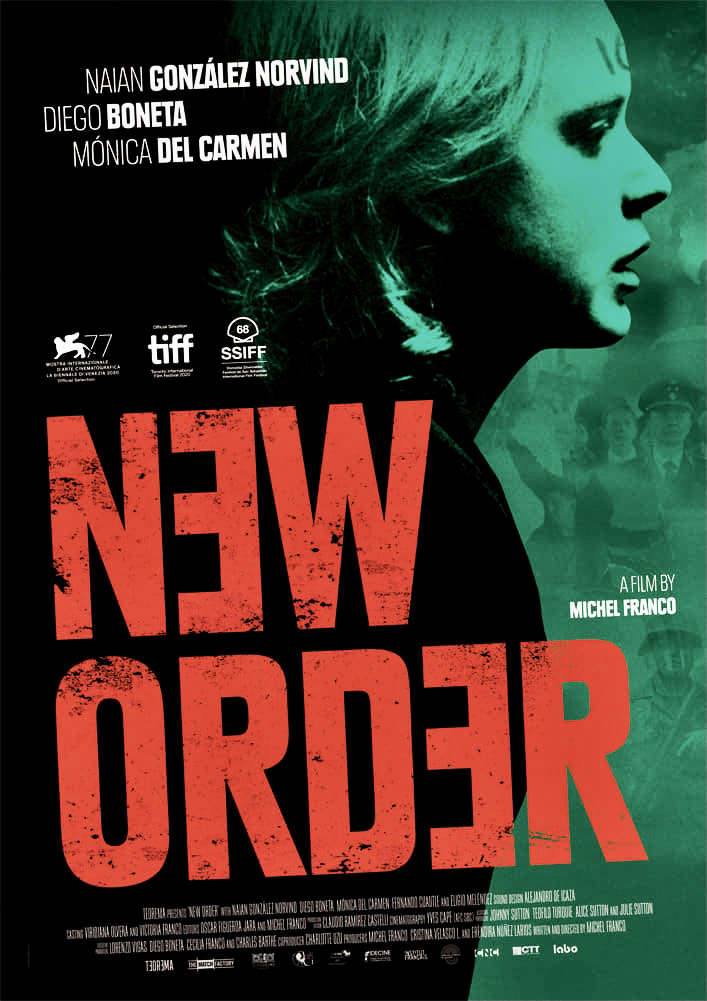
What does anarchy look like? The events of January 6, 2021 when a violent mob stormed the U.S. capitol provided a chilling example of social order under siege but this has happened before. Remember New Orleans in the wake of Hurricane Katrina in August 2005? The communications infrastructure was temporarily disabled, support services and emergency aid were unavailable and security became an issue as looting and other criminal activities took place until some semblance of order was restored by the arrival of National Guard troops a few days later. The absence of law enforcement and a rising sense of panic and chaos was broadcast to TV viewers around the world. Michel Franco’s New Order (2021), the Grand Jury Prize winner at the Venice Film Festival, taps into this fear of impending dystopia with a gripping thriller set in the wealthy enclave of what appears to be Mexico City but is never explicitly identified.

Continue reading

Dusan Makavejev for Beginners

How to describe this blast of creative anarchy from 1965? Fascinating and engaging on so many levels, Man is Not a Bird (aka Covek nije tica, 1965) could be seen as a political parable or a social satire or an offbeat romantic drama or an attempt to merge documentary and fiction in some new form of Eastern European neorealism. Continue reading