A Monument to Objectivism

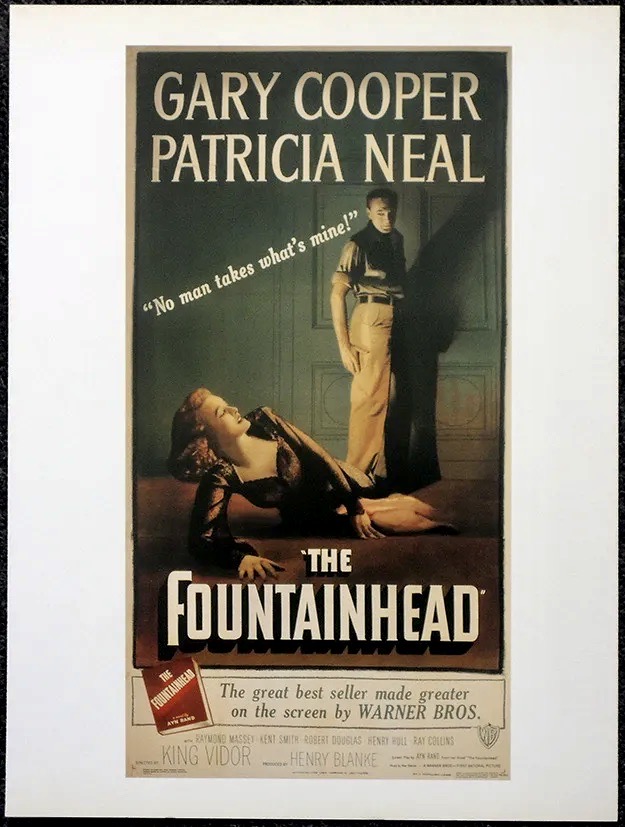
If you look up the word melodrama in the Merriam-Webster Dictionary, the description reads “a work (such as a movie or play) characterized by extravagant theatricality.” The Oxford Learner’s Dictionaries offers a similar definition: “a story, play, or novel that is full of exciting events and in which the characters and emotions seem too exaggerated to be real.” Some popular examples of this in the movies would have to include The Bad and the Beautiful (1952), The Barefoot Contessa (1954) and The Best of Everything (1959). But they are some films in this category that are so excessive in tone and style that they belong in their own category of extreme melodrama. Among the more glaring examples of this are Douglas Sirk’s Written on the Wind (1956), The Caretakers (1963), which is set in a psychiatric hospital where Joan Crawford teaches karate, the Tinseltown expose The Oscar (1966), and four films – yes, four! – from director King Vidor: Duel in the Sun (1946), Beyond the Forest (1949) with Bette Davis, Ruby Gentry (1952) starring Jennifer Jones, and my personal favorite, The Fountainhead (1949), which scales dazzling heights in operatic excess.

Continue reading

Playing the Odds

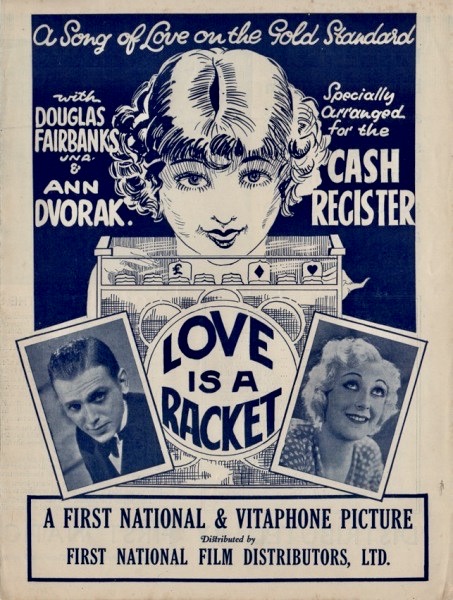
During his years as a contract director at Warner Bros., William Wellman made his mark early with the influential gangster drama The Public Enemy (1931) but didn’t have another major box office success until after he left the studio and directed A Star Is Born (1937), produced by David O. Selznick and distributed by United Artists. Yet, during his tenure with First National Pictures/Warner Bros., Wellman churned out a number of energetic, fast-paced entertainments which are often overlooked by admirers of his work but stand out from the assembly-line programmers they were intended to be. Among the highlights from this early period are Night Nurse (1931) with Barbara Stanwyck, the grim Pre-Code drama Safe in Hell (1931) and Love Is a Racket (1932) starring Douglas Fairbanks, Jr. as a newspaper columnist working the Broadway beat. The latter film is not only a fascinating time capsule of its era, with glimpses of then-popular New York City nightspots such as Sardi’s, but also presents an unapologetic, cynical view of reporters who often resort to any means necessary to score a front-page story.

Continue reading

The Perfect Yuletide Mix of Schmaltz, Schmerz and Schmutz

That was how Preston Sturges described his screenplay for Remember the Night (1940), directed by Mitchell Leisen. Overlooked and underrated for years, this small scale but intimate romantic drama has become a Christmas favorite in recent years thanks to frequent airings on TCM and its availability on DVD.  

Continue reading

How Low Can You Go?

Most classic movie fans are well aware of the impressive and versatile film legacy of William A. Wellman, who directed Wings (1927), the first film to win the Best Picture Oscar in the Academy’s history, as well as bona fide classics like the 1937 version of A Star is Born and the gritty WW2 drama, Battleground (1949). It has only been in recent years, however, that Wellman fans have become acquainted with the groundbreaking Pre-Code dramas he helmed in the early thirties thanks to DVD releases from the Warner Archive Collection.  Outside of occasional airings on Turner Classic movies, most of Wellman’s racy, vibrant work in the Pre-Code era had been unseen for years. But suddenly the floodgates were open and film buffs were finally able to enjoy the eyebrow-raising excesses of Night Nurse (1931), Love is a Racket (1932), Frisco Jenny (1932) and Heroes for Sale (1933), to name just a few. The diamond in the rough for my money though is Safe in Hell (1931), featuring a gutsy, no-holds-barred performance by Dorothy MacKaill. When you see this film, you can understand why the Production Code was created.

Continue reading

Like Catnip for Women

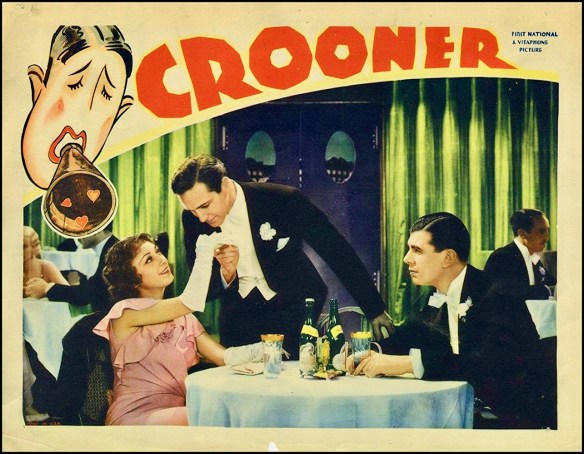
David Manners (center) turns on the charm for Ann Dvorak as Ken Murray looks on in Crooner (1932).

Thanks to Warner Archives and several other distributors there have been an astonishing number of Pre-Code films made available to classic movie fans on DVD, MOD and streaming services over the years. But not every title is available and there are still some major omissions such as A Free Soul (1931) starring Norma Shearer or The Story of Temple Drake (1933) with Miriam Hopkins. There are also lesser-known oddities awaiting discovery such as Crooner (1932), which pops up occasionally on Turner Classic Movies. Directed by Lloyd Bacon, starring David Manners, Ann Dvorak and J. Carrol Naish and clocking in at a brisk 68 minutes, the film charts the rise and fall of Teddy Taylor (Manners), a struggling musician and his jazz band, Ted Taylor’s Collegiates.  Continue reading