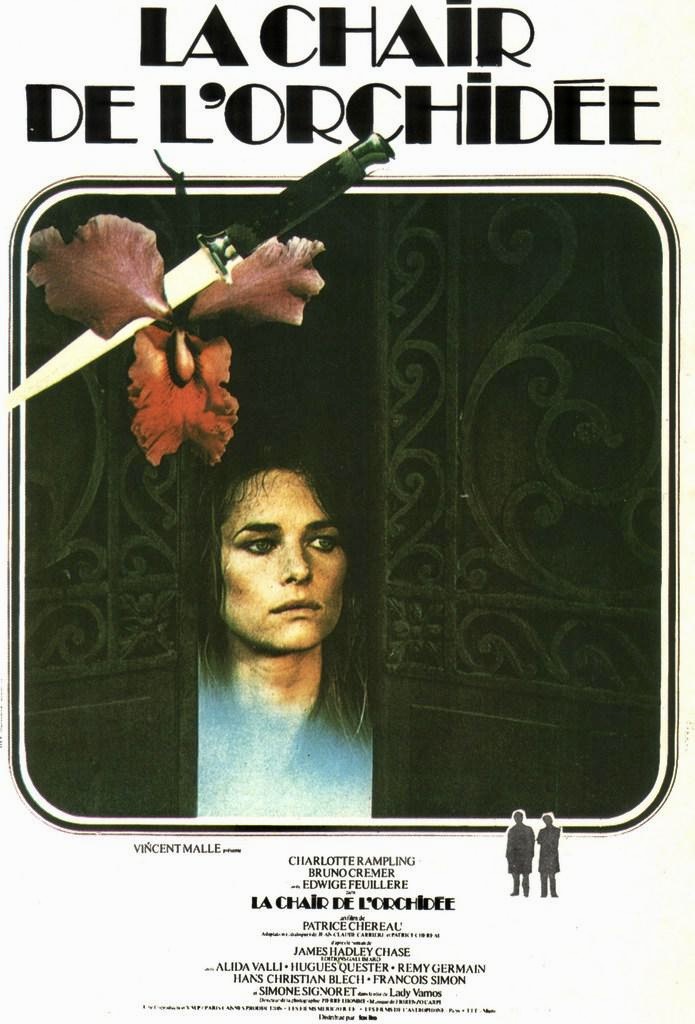
Charlotte Rampling has been an international star since the mid-1970s when she appeared in Zardoz (1974), The Night Porter (1974) and Farewell, My Lovely (1975), but during her early career, critics were more likely to comment on her beauty and sex appeal over her acting talent. It wasn’t until she began appearing in the films of Francois Ozon (Under the Sand [2000], Swimming Pool [2003]) and other independent, cutting-edge directors like Dominik Moll (Lemming, 2005) and Laurent Cantet (Heading South, 2005) that Rampling finally came into her own as a critically acclaimed actress and cult favorite. She has rarely steered clear of edgy material or doing nude scenes or choosing unconventional roles over more audience friendly fare and her movies from the late sixties through the mid-nineties reflect this. Some were pretentious misfires like The Ski Bum (1971) or eccentric one-offs (Yuppi du, 1975) or mainstream showcases for her talent such as Woody Allen’s Stardust Memories (1980) and Sidney Lumet’s The Verdict (1982). Yet, even her lesser known work from this period is often worth seeking out and La Chair de I’orchidee (English title, The Flesh of the Orchid, 1975), the debut film of French director Patrice Chereau, is certainly a wild card. A psychological thriller that seems to take place in an alternate universe where everyone is misanthropic, corrupt, greedy or violent, Chereau’s first film is based on a 1948 pulp fiction novel by James Hadley Chase.
Continue readingTag Archives: Alida Valli
There’s No Place Like Home
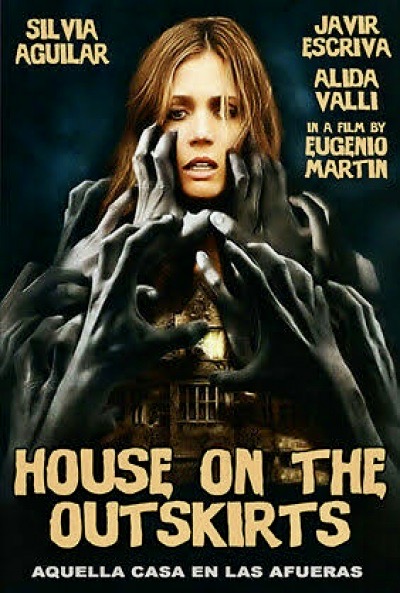
Spanish director Eugenio Martin is not a name familiar to the average American moviegoer but for fans of European genre films, he has developed a cult following over the years, thanks to the release on DVD and Blu-ray of some of his better known titles. Among these are the fast-paced, enormously entertaining sci-fi/horror/train disaster hybrid Horror Express (1970) with Christopher Lee, Peter Cushing and Telly Savalas, the giallo The Fourth Victim (1971) starring Carroll Baker, and A Candle for the Devil aka It Happened at Nightmare Inn (1973) in which two religious fanatic sisters are behind a series of murders. Martin also helmed several entrees in the Spaghetti Western genre such as The Ugly Ones (1966), Requiem for a Gringo (1968) and Bad Man’s River (1971) featuring Lee Van Cleef, James Mason and Gina Lollobrigida but some of his efforts defy easy categorization like Aquella Casa en las Afueras (English title: The House on the Outskirts, 1980), which is like a woman-in-peril melodrama crossed with an “old dark house” thriller. Throw in some unspoken but implied social commentary on women’s birthrights and you have a rather unique film from post-Franco Spain.
Continue readingMilanese Malaise
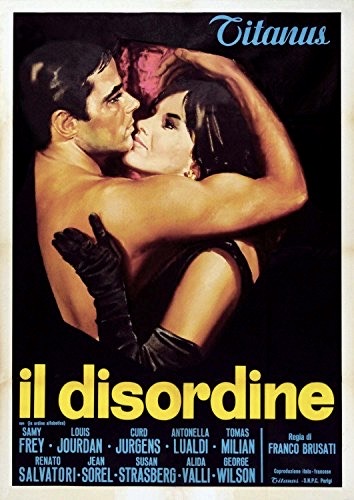
Any art house patron in the early sixties must have thought modern society was headed toward a complete collapse as witnessed by the emptiness of life and the bored, amoral behavior of characters in films like Federico Fellini’s La Dolce Vita (1960). That film was mostly a portrait of wealthy, jaded Romans and ambitious social climbers that was probably the most famous in a wave of films that viewed Italian society as a lost and alienated culture. Michelangelo Antonioni’s L’Avventura (1960), La Notte (1961) and L’Eclisse (1962) offered similar views of a world where modern progress and technology had a dehumanizing effect on relationships while Antonio Pietrangeli’s I Knew Her Well (Italian title, Lo la conoscevo bene, 1965) focused on a naïve working class woman who seeks an acting career in Rome but finds herself exploited and eventually discarded by the people that profession attracts. Less well known, Franco Brusati’s Il Disordine (Disorder, 1962) differs from the above films in that it depicts both upper class and economically strapped folks in Milan who share the same sense of disillusionment and despair over their lot in life. Also, it is almost epic in scale and more tragic and heartfelt than the aforementioned titles.
Continue readingVampire Machine
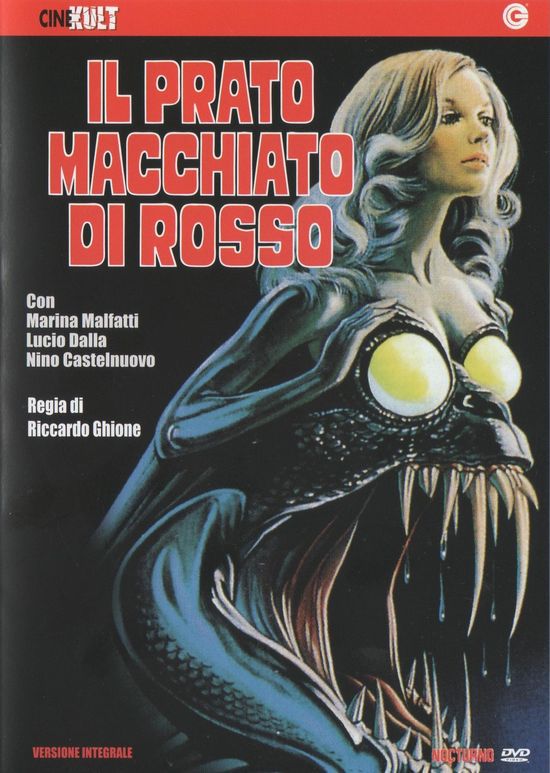
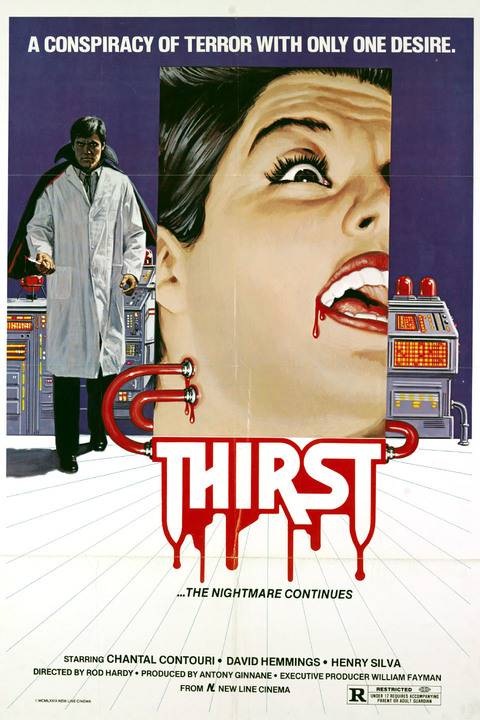
First, let me get this out of the way. The Bloodstained Lawn (Italian title: Il Prato macchiato di Rosso, 1973) is a haphazard mash-up of a genre film, but an entertaining one for Eurotrash completists. The English language title suggests it might be a giallo or a horror film or even a poliziotteschi (crime drama). Actually, it has some elements of those with some sci-fi flavoring added. The central premise involves a form of vampirism which is a complete departure from the old school mythology of Bram Stoker’s Dracula and much closer to the metaphorical horrors of Alain Jessua’s Shock Treatment (French title: Traitement de Choc, 1973) and Rod Hardy’s Thirst (1979). Oddly enough, director Riccardo Ghione seems much less interested in playing up the horrific aspects of the story than depicting bourgeois decadence and the exploitation of the disenfranchised as a quasi-political fantasy.
Continue reading
Fishing with Dynamite
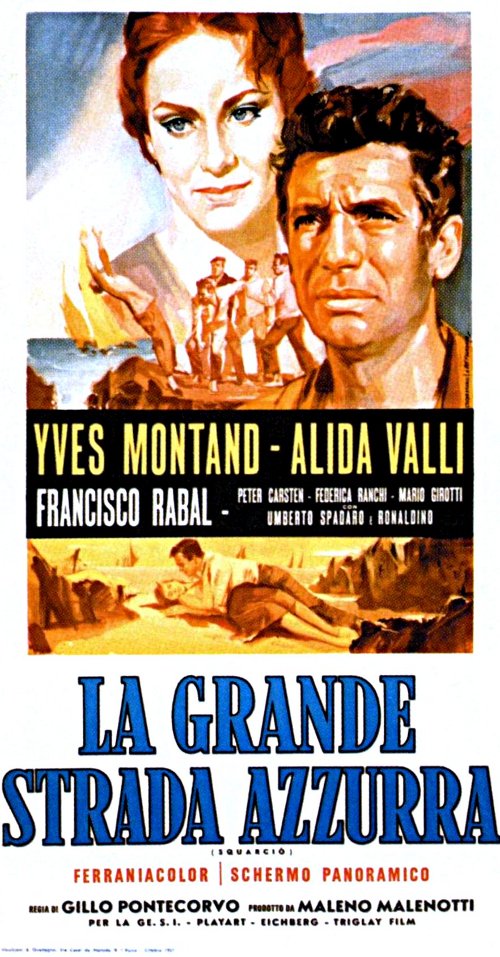
Gillo Pontecorvo began as a documentarian and his interest in social and political issues was already evident in early works like Giovanni (1955), which follows a textile laborer and her female co-workers through punishing work conditions into a full-blown protest against the factory owners. So it comes as no surprise that his first feature length film, The Wide Blue Road (aka La Grande Strada Azzurra, 1957), has an underlying social agenda even if it looks like a slice-of-life melodrama on the surface. Continue reading