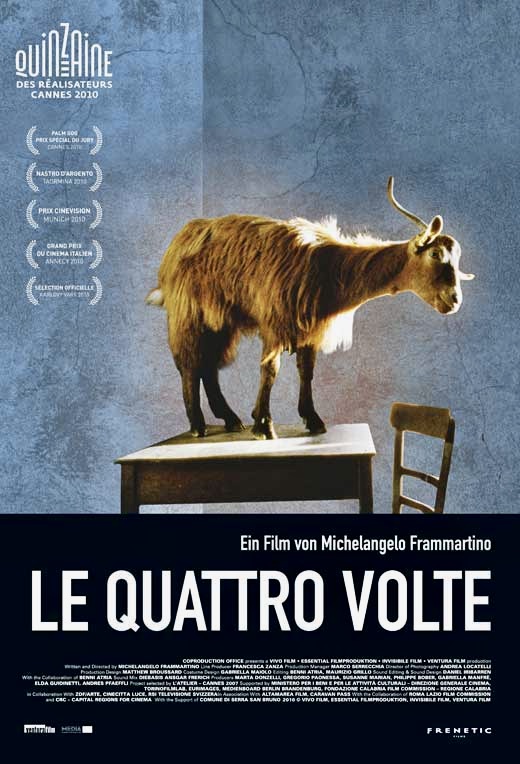
Smoke fills the screen and drifts toward the sky. We see black earth that is steaming and could be cooling lava. Then we notice small holes punched into the dark topography where smoke is being released. A wide shot reveals that we are looking at a mound of charred material that is being raked by a worker at the top of the heap. Where are we and what are we looking at? Michelangelo Frammartino’s Le Quattro Volte (2010), which roughly translates as The Four Times, is an immersive but often disorienting portrait of life in the village of Caulonia, Italy, which often requires the viewer to make sense of a visual detail or local ritual without a frame of reference. This is not detrimental, however, to the film’s exploratory narrative but one which is enriched by a sense of mystery and wonder.
Continue readingTag Archives: Abbas Kiarostami
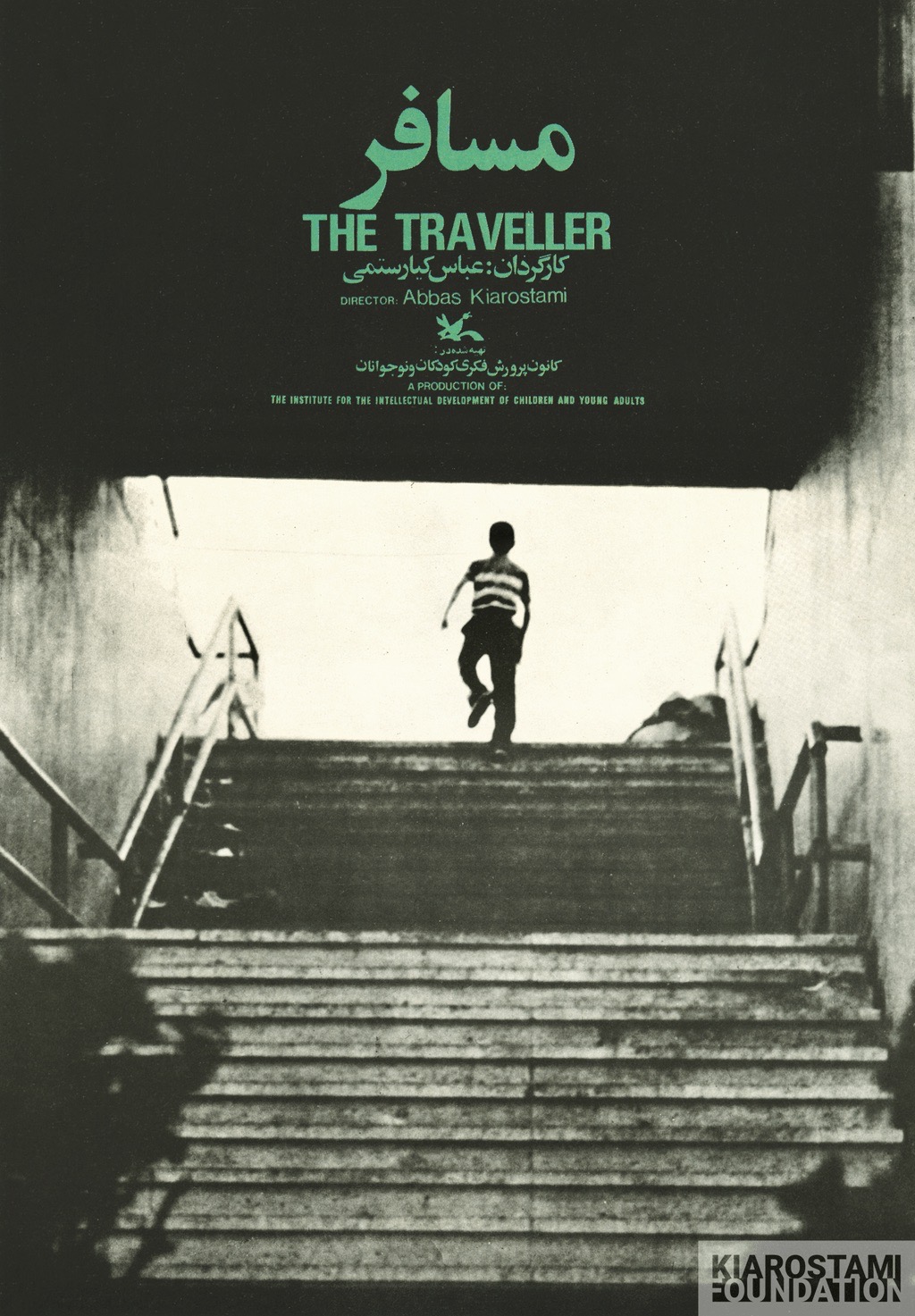
Boy on a Mission
Qassam is a ten-year old living in the Iranian town of Malayer who is obsessed with soccer. When he isn’t skipping classes at school to play the game in back alleys, he is stealing money from his mother’s secret hiding place to buy soccer magazines. Considering the limited career choices available to Qassam after he finishes school, it is no wonder why soccer serves as the boy’s escape from reality. And his obsession becomes all-consuming when he learns that his favorite soccer team is coming to Tehran (which is approximately 385 miles away). He begins scheming of ways to raise the money required for the bus and game tickets. This is the basic premise of Abbas Kiarostami’s Mossafer (English title: The Traveler, 1974), which is both a parable about wanting something too much as well as an unsentimental portrait of an alienated and problematic kid in the tradition of Francois Truffaut’s The 400 Blows (1959).
Continue readingA Marriage of Convenience?
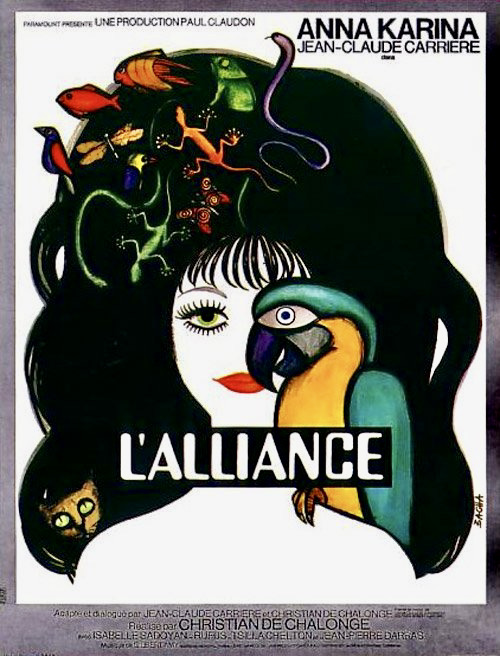
Almost everyone has a good reason for why they want to get married but for Hugues, there is a very specific need. He wants to find a woman with a place of her own, preferably one with ample square footage that includes a sitting room and a large, walk-in closet. Love or companionship isn’t a main objective. Nor does he have any particular preferences concerning the woman’s appearance or personality as long as she is close to the same age. Strangely enough, Hugues finds the ideal candidate through the Duvernet Agency, a professional matchmaker. Jeanne is not only lovely and charming, if a bit elusive, and she has never been married before. Plus, she resides in a sprawling ground floor apartment once owned by an uncle. What could be better? So begins 1970’s L’Alliance (also known as The Wedding Ring), an exceedingly peculiar tale that slowly lures the viewer down a rabbit hole.
A Childhood on the Run

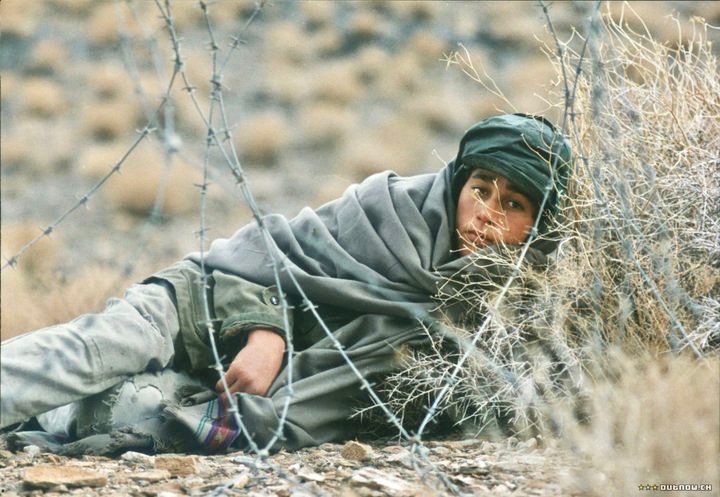
Kaim Alizadeh plays a 14 year old orphan on the run from border guards in Afghanistan in Delbaran (2001) from Iranian director Abolfazl Jalili.
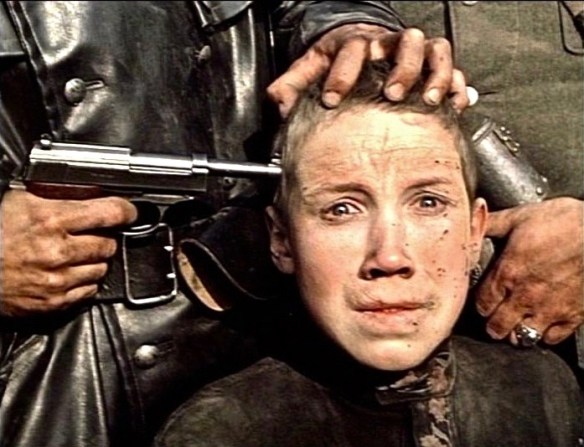
Although released in 2001 and greatly admired by many prominent film critics, Delbaran, directed by Iranian filmmaker Abolfazl Jalili, is not nearly as well known as other Iranian prize winners such as Abbas Kiarostami’s The Wind Will Carry Us (1999) or Mohsen Makhmalbaf’s Kandahar (2001) but deserves to be. The story focuses on Kaim, a fourteen-year-old war orphan trying to survive in a desolate Iranian village near the Afghanistan border. And the film is in the grand tradition of other renowned classics that feature child protagonists caught up in the madness of war such as Rene Clement’s Forbidden Games (1952), Andrei Tarkovsky’s Ivan’s Childhood (1962) and Elem Klimov’s Come and See (1985). The difference is that Delbaran is much more austere and understated than those better known masterworks.