After the Show: Telluride Potluck 2010

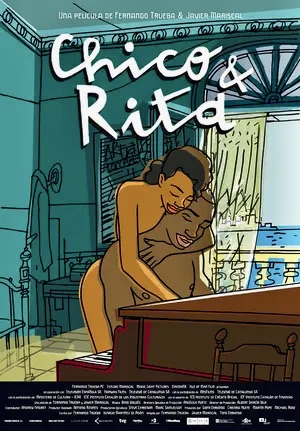
One of the best kept secrets about the Telluride Film Festival is what happens AFTER the event. The town residents are treated to a 6 to 8 film sampler with two different screenings at the Palm Theatre each night (check with the Chamber of Commerce to confirm date and venue). The selection is purely random and usually based on which films don’t have to be shipped out immediately to the next film festival such as Toronto or New York. But if you’re a hard core film fanatic, you can hardly go wrong. The price is affordable – tickets are usually discounted and lodging rates in Telluride drop down to almost half the cost of what they were doing the film festival. The year I attended the mini-post festival in 2010, the featured films were the animated musical drama Chico & Rita (preceded by Jeff Scher’s short, The Shadow’s Dream), Errol Morris’s bizarre documentary Tabloid (preceded by Bill Plympton’s animated short, The Cow Who Wanted to Be a Hamburger), Denis Villeneuve’s powerful drama Incendies, Poetry, a South Korean drama about an elderly woman facing dementia, The First Grader, a true story dramatization set in Kenya, and Javier Bardem in Biutiful, directed by Alejandro G. Inarritu.

Continue reading
Only a Pawn in Their Game

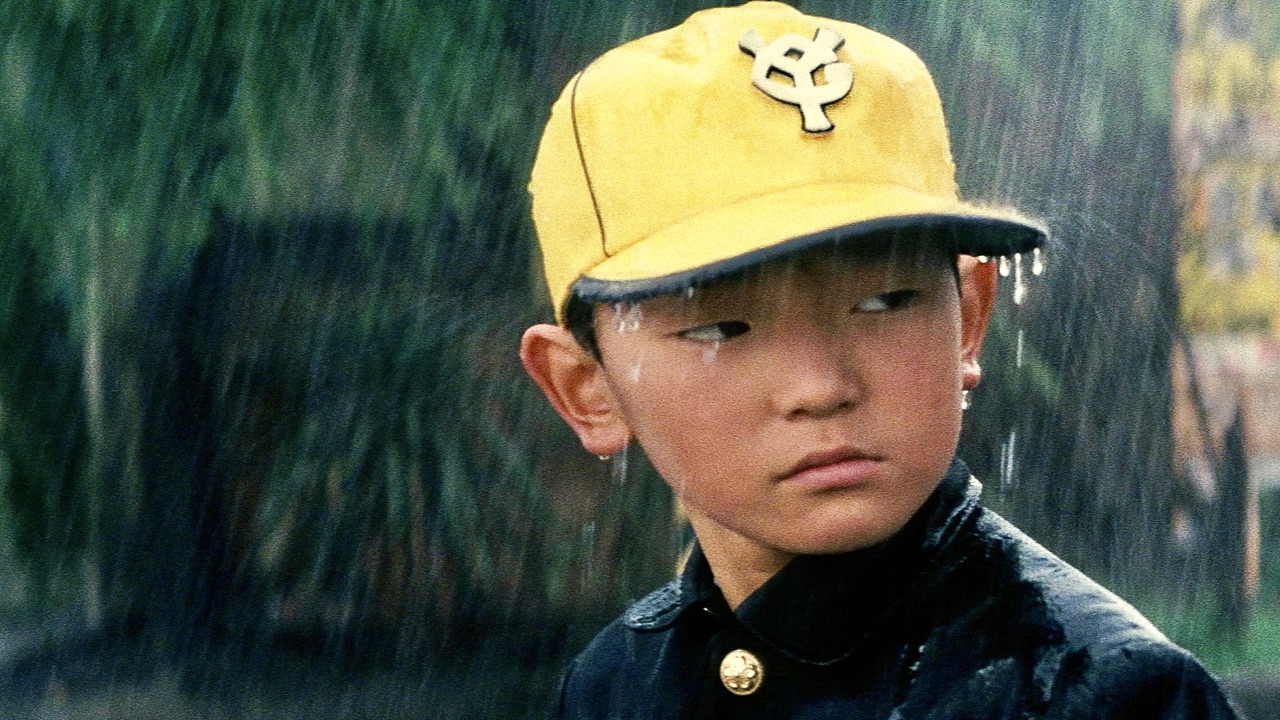
Tetsuo Abe in his only film role plays a ten-year-old boy who is used by his parents in a dangerous extortion scheme in Nagisa Oshima’s Shonen aka BOY (1969).

Not everyone has an idyllic childhood and some unfortunates don’t even have a childhood at all. That is certainly the case with Toshio (Tetsuo Abe), a ten-year-old who is being used by his father Takeo (Fumio Watanabe) and stepmother Takeko (Akiko Koyama) in an ongoing scam which entraps car drivers. The ploy involves stepping out into traffic, pretending to be hit by a car, and falling to the ground and feigning an injury. If the driver doesn’t offer to settle the incident on the spot with a cash payment, the fake victim threatens to call the police to settle the matter. In many cases, the drivers are only too happy to pay the scammers a cash settlement to avoid a lawsuit or court case. Toshio and his family of three (including a tiny tot named Peewee) have been on the move across Japan, enacting this scenario for some time with Takeko playing the fake accident victim. But the time has come for the parents’ ten-year-old to take on this role and he has little choice in the matter. So begins Nagisa Oshima’s Shonen (English title: Boy, 1969), a harrowing portrait of parental abuse and negligence, which was based on a true case that made national news in Japan in 1966.

Continue reading

Z Man

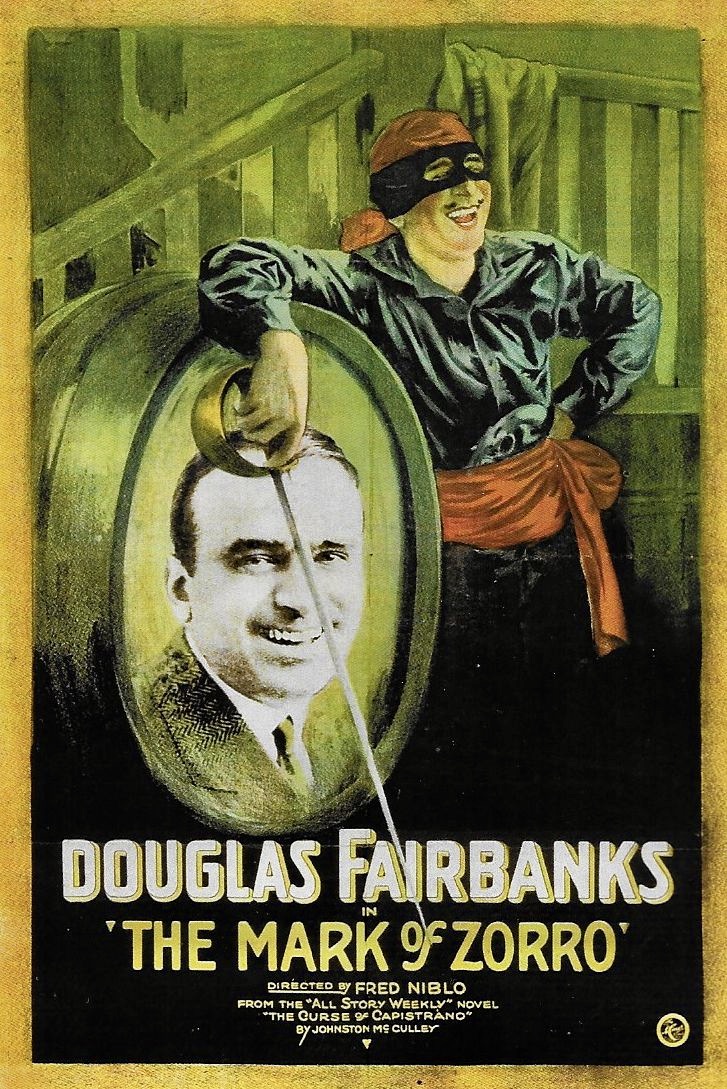
It is a well known fact that Douglas Fairbanks was one of the first superstars of the silent era but he first became famous as a leading man in romantic comedies such as Wild and Woolly (1917) and Reaching for the Moon (1917). In the aftermath of World War I, audiences had grown bored with the cheerful, boy-meets-girl formula that had made Fairbanks a popular screen idol so the star decided to try a different tactic. A short story by Johnston McCulley, “The Curse of Capistrano,” had appeared in the pulp magazine, All-Story Weekly, and he decided to read it during a long train trip from New York to Los Angeles. This was unusual in itself since Fairbanks did not like to read (and that included his movie scripts) but actress Mary Pickford encouraged him to read the serial and McCulley’s story became his next project. It was first called The Curse of Capistrano, which was then changed to The Black Fox and finally released as The Mark of Zorro in 1920.

Continue reading

Extraordinary Encounters on the Trans-Siberian Express

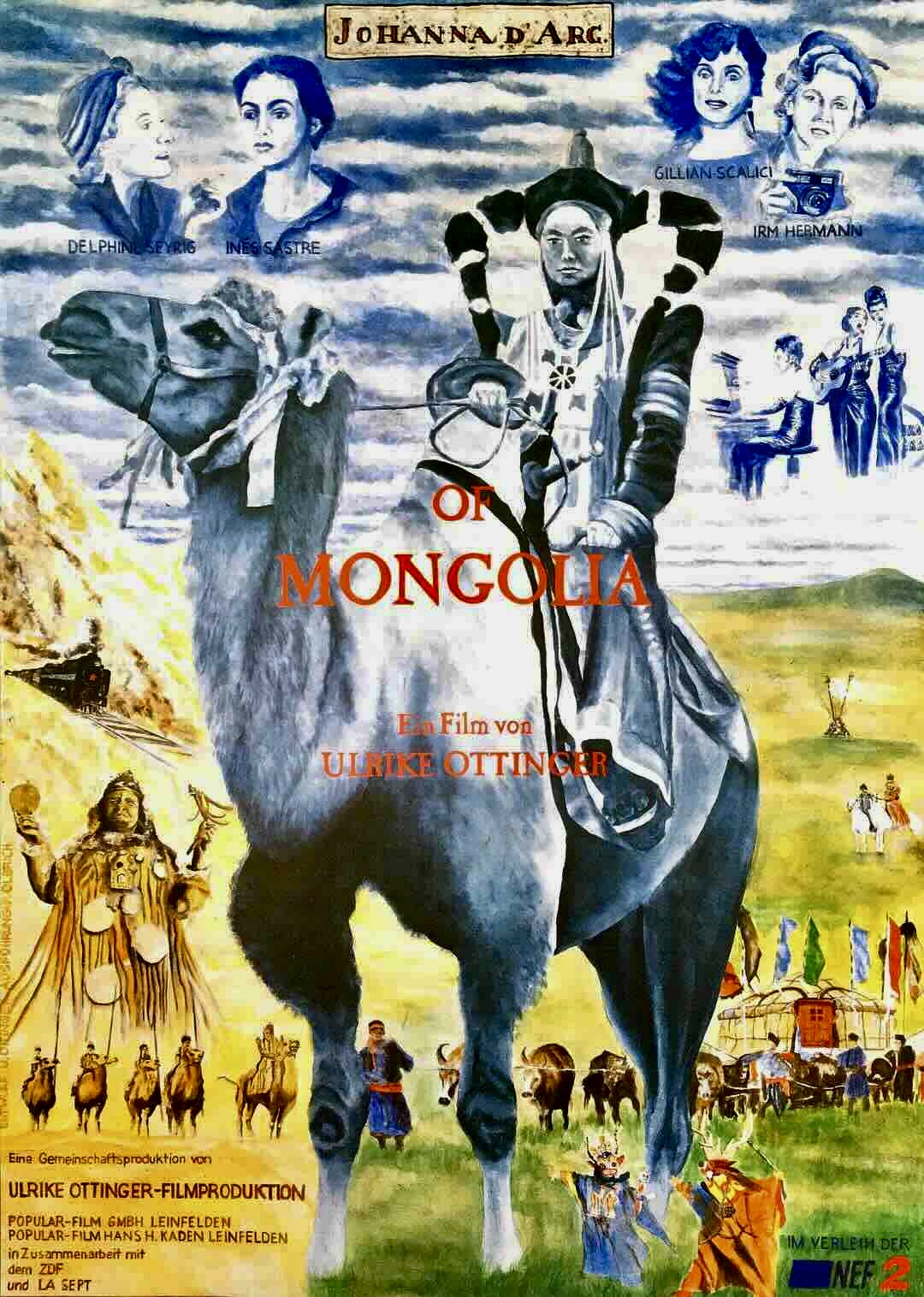
Movies that take place on trains constitute a film genre of their own and there have been plenty of great ones over the years – The General (1926), The Lady Vanishes (1938), The Narrow Margin (1952), Snowpiercer (2013) – but I can safely say that Johanna D’Arc of Mongolia (English title: Joan of Arc of Mongolia, 1989), directed by Ulrike Ottinger, is the most unusual one ever made. Although it embraces the idea that travel can be a life-changing experience for everyone, Ottinger puts her own personal spin on this by addressing ideas about gender, history, personal empowerment and cultural traditions through a smash-up of popular genres. These include musical theater, campy soap operas, widescreen epics and ethnographic documentaries. It might sound like either a complete goof or pretentious nonsense (some detractors claim both) but it works as a one-of-a-kind hybrid, informed by Ottinger’s insights into human behavior and her own directorial eccentricities.

Continue reading

The Free Cinema Shorts of Lindsay Anderson

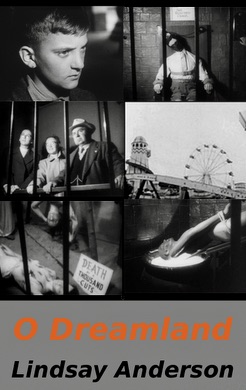
The 1960s might be seen as the decade that ushered in a significant number of game changing film movements such as the Czech New Wave, Cinema Verite and New German Cinema but the 1950s shouldn’t be overlooked for inspiring the birth of the Nouvelle Vague in France and the self-reflective ‘kitchen sink’ realism trend in England. One of the most influential but short lived film developments during this period was the Free Cinema movement, which flourished between 1956 and 1959 in the U.K.. It rejected the conservativism and class bound traditions of commercial filmmaking as well as the didactic approach to documentaries made famous by Scottish director John Griegson (Song of Ceylon [1934], Night Mail [1936]]. Instead, Free Cinema was dedicated to making personal films that expressed the opinion and artistic vision of their directors despite limited budgets and semi-amateur conditions (most of the movies were shot with a 16mm Bolex camera). Karel Reisz, Alain Tanner, Claude Goretta, Tony Richardson and Lindsay Anderson were among the leaders of the Free Cinema group but Anderson, in particular, created some of the movement’s most significant work, including Wakefield Express (1952), O Dreamland (1953), Thursday’s Children (1955) and Every Day Except Christmas (1957). Continue reading

The Scumbag Annihilator

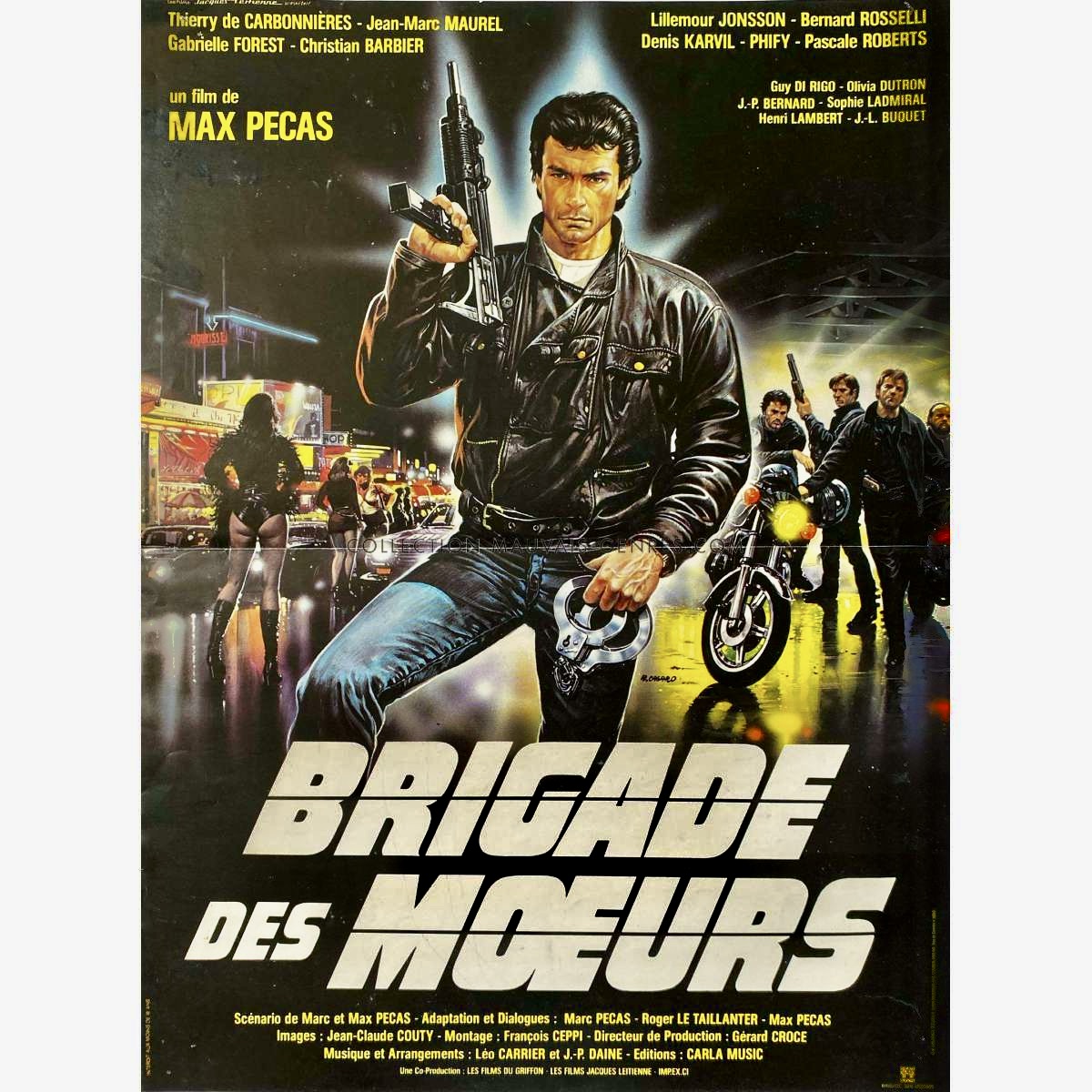
The French film poster for the 1985 exploitation cop thriller DEATH SQUAD, directed by Max Pecas.

You may not know the name Max Pecas, but along with Jose Benazeraf and Jean Rollin, he was one of the more famous French directors of softcore erotic/exploitation films of the 60s and 70s. Two of his earliest films helped launch the film career of German sexpot Elke Sommer. De Quoi tut e Meles Daniela! (English title: Daniella by Night, 1961) was an espionage melodrama highlighted by some brief nudity of the lead actress and Douce Violence (English title: Sweet Violence, 1962) depicted jaded teenagers going wild on the Riviera in a style imitative of the New Wave films of that era. Pecas later moved on to more explicit adult fare in films like The Sensuous Teenager aka I Am a Nymphomaniac! (1971) and I Am Frigid…Why? (1972) before turning out some genuine hardcore X-rated features such as Felicia (1975) and Sweet Taste of Honey (1976), which were also released in edited R-rated versions. Despite low budgets, his films often had a classy veneer with gorgeous actresses but critics routinely derided his work despite their popularity with grindhouse audiences. Then toward the end of his career, Pecas surprised everyone with a dynamic but violent crime thriller set in the seedy underworld of Paris – Brigade des Moeurs (English title: Brigade of Death aka Death Squad, 1985) – which was closer to the gritty style of an Abel Ferrara film like Ms. 45 (1981) or Fear City (1984).

Continue reading