Charlotte Rampling’s Wild Card

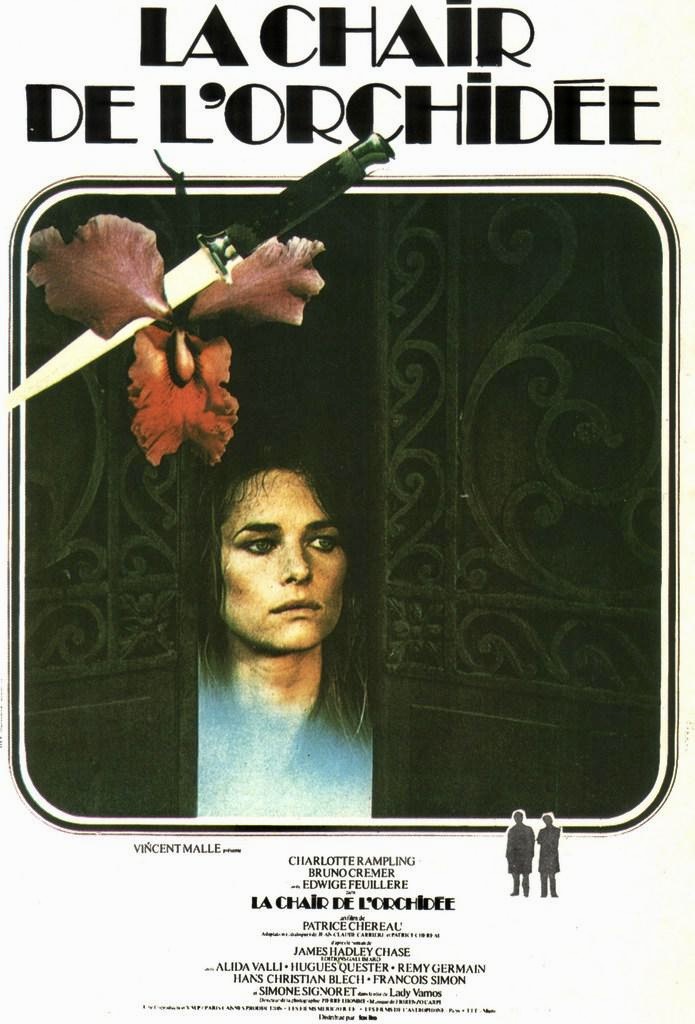
The French film poster for the 1975 thriller THE FLESH OF THE ORCHID, directed by Patrice Chereau.

Charlotte Rampling has been an international star since the mid-1970s when she appeared in Zardoz (1974), The Night Porter (1974) and Farewell, My Lovely (1975), but during her early career, critics were more likely to comment on her beauty and sex appeal over her acting talent. It wasn’t until she began appearing in the films of Francois Ozon (Under the Sand [2000], Swimming Pool [2003]) and other independent, cutting-edge directors like Dominik Moll (Lemming, 2005) and Laurent Cantet (Heading South, 2005) that Rampling finally came into her own as a critically acclaimed actress and cult favorite. She has rarely steered clear of edgy material or doing nude scenes or choosing unconventional roles over more audience friendly fare and her movies from the late sixties through the mid-nineties reflect this. Some were pretentious misfires like The Ski Bum (1971) or eccentric one-offs (Yuppi du, 1975) or mainstream showcases for her talent such as Woody Allen’s Stardust Memories (1980) and Sidney Lumet’s The Verdict (1982). Yet, even her lesser known work from this period is often worth seeking out and La Chair de I’orchidee (English title, The Flesh of the Orchid, 1975), the debut film of French director Patrice Chereau, is certainly a wild card. A psychological thriller that seems to take place in an alternate universe where everyone is misanthropic, corrupt, greedy or violent, Chereau’s first film is based on a 1948 pulp fiction novel by James Hadley Chase.

Continue reading
Wim Wenders Explores Yasujiro Ozu’s Favorite City

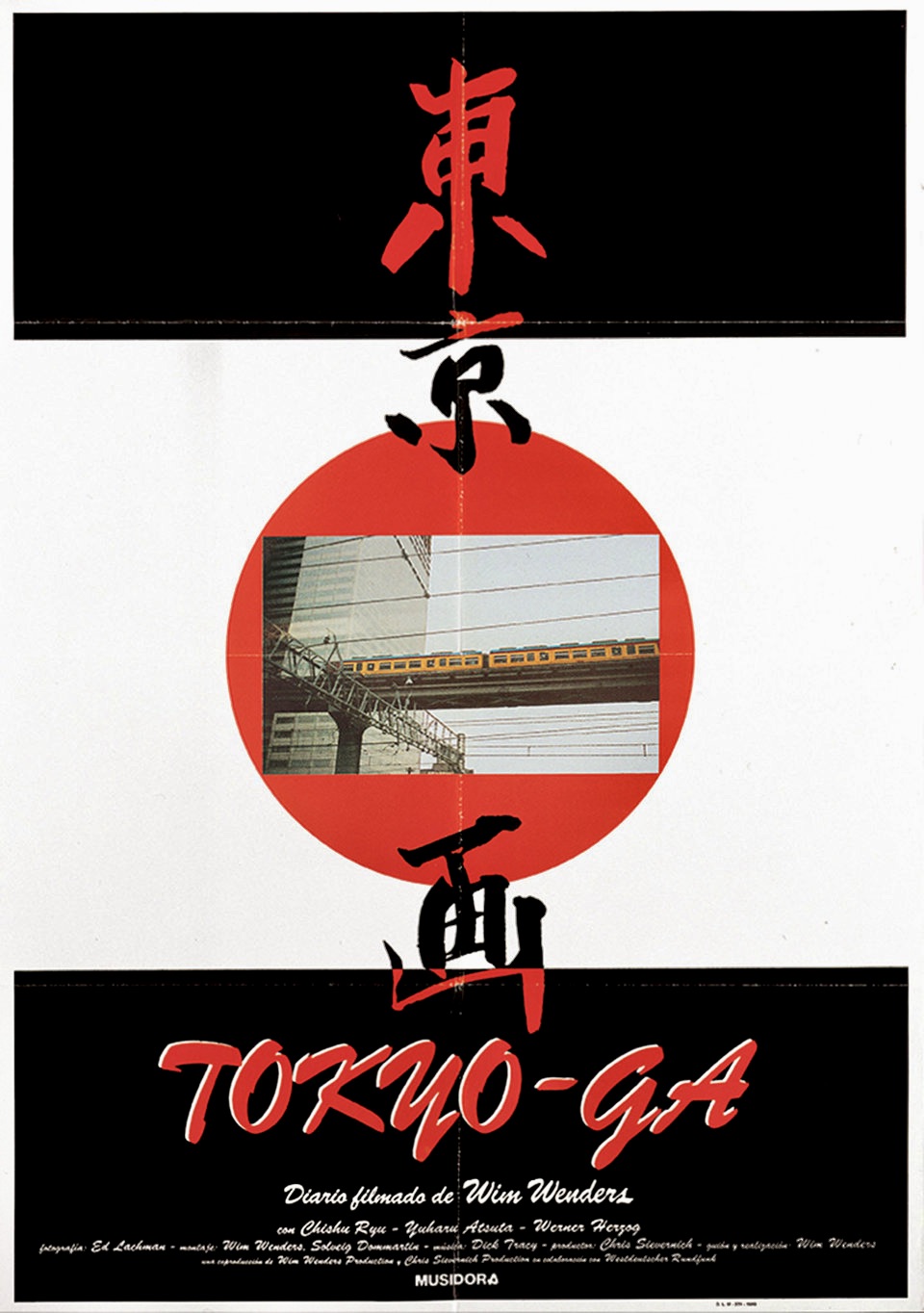
By the time Wim Wenders won the Palme d’Or at Cannes for Paris, Texas in 1984, he was well established as an internationally renowned director. He made his first big splash on the world stage in the early 1970s along with other New German Cinema directors (Werner Herzog, R.W. Fassbinder, etc.) with films such as The Goalie’s Anxiety at the Penalty Kick (1972) and Alice in the Cities (1974). Wenders had also dabbled with non-fiction-like formats in early experimental shorts, music videos and the Cannes-focused TV documentary of various film directors in Chambre 666 (1982). Yet, it was Tokyo-Ga 1985), the feature length portrait he made directly after Paris, Texas, that really triggered Wenders’s interest in not just non-fiction filmmaking but in Japan cinema and culture, especially the works of Yasujiro Ozu.

Continue reading

Not Fade Away

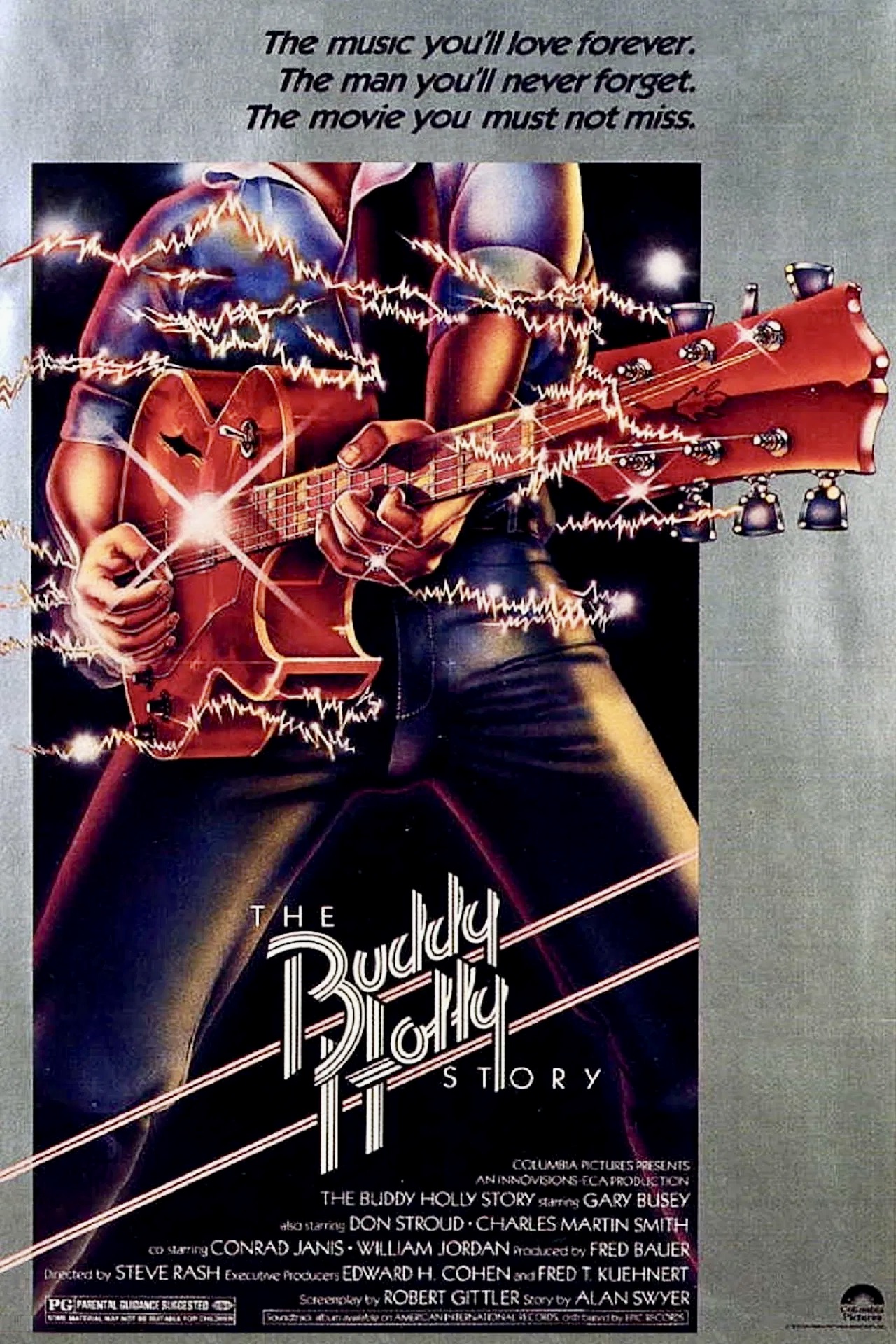
For rock ‘n’ roll fans, February 3, 1959, has a special significance. It’s “the day the music died,” because on that date Buddy Holly, one of the pioneers of rock ‘n’ roll music, was killed in a plane accident in the midwest along with Ritchie Valens and the Big Bopper. The incident robbed the world of a true musical visionary whose constant experimentation in this new music might have had an even greater impact on the recording industry had he lived. But Holly’s music had a life of its own and would later serve as inspiration to the Beatles and musicians like Marshall Crenshaw (who would eventually play Buddy Holly in La Bamba, 1987, a dramatization of Ritchie Valens’ life). In The Buddy Holly Story (1978), the legend from Lubbock, Texas, is reassessed in a thoroughly entertaining musical biography that mixes fact and fiction in equal parts, a practice Hollywood is unable to resist despite the potential for distortion and false allegations. Luckily, the film captures Holly’s charm and stubborn individuality through Gary Busey’s chameleon-like performance in the title role.

Continue reading

Just Deserts

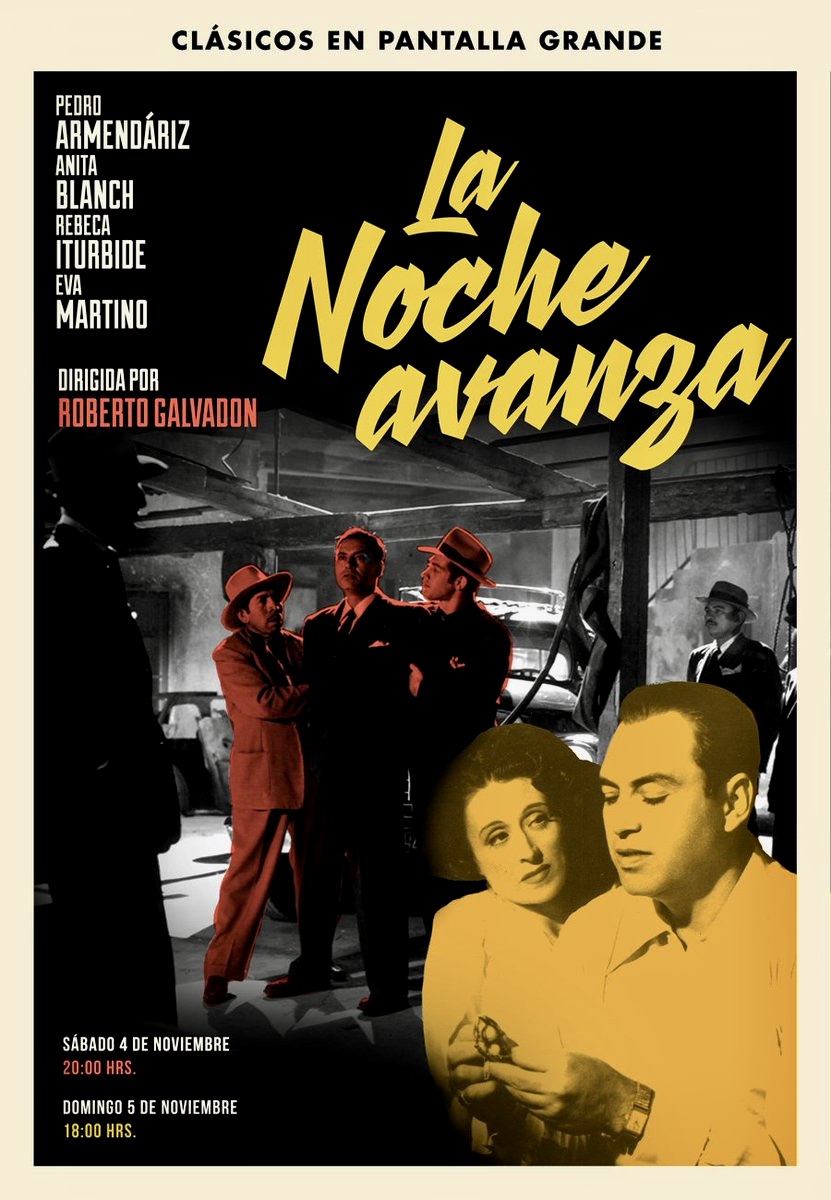
Men behaving badly could easily qualify as a cinema subgenre with such classic examples as Kirk Douglas in Champion (1949) and Robert De Niro in Raging Bull (1980) leading the pack but the athletic anti-hero of La Noche Avanza (English title: Night Falls or The Night Draws On, 1952) might even surpass them in terms of sheer toxic masculinity. Marcos (Pedro Armendariz) is Mexico’s most famous undefeated jai alai champion, a public hero and a sexually magnetic lure for women. He is also the epitome of an arrogant macho muchacho Latin male who considers everyone else inferior with boasts like “I’m one of the victorious, the strong…The weak don’t count.”

Continue reading

Balancing Act

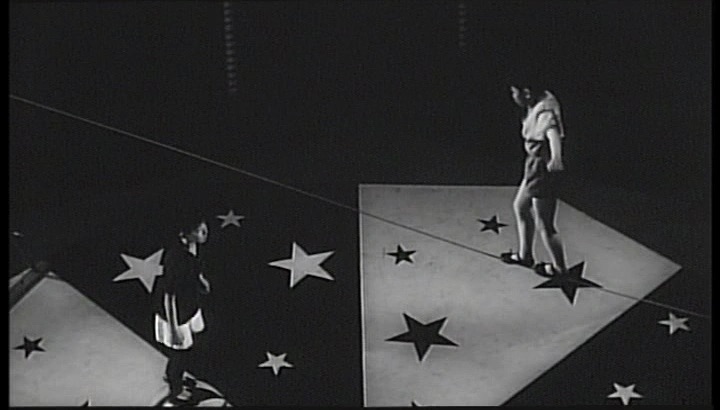
When was the last time you went to the circus? For most people, that form of popular entertainment has changed drastically over the years and is now more likely to be a showcase for human acts like Cirque de Soleil than one featuring performing animals (dancing elephants, lion taming, horses leaping through hoops of fire, etc). But there was a time from the late 19th to the middle of the 20th century when circuses were the ultimate family entertainment. Movies, in particular, captured the golden age of the circus in a variety of genres that ranged from big screen spectacles (The Greatest Show on Earth [1952], Circus World [1964]) to slapstick comedies (The Circus [1928], At the Circus [1939]) to Walt Disney fare (Dumbo [1941], Toby Tyler or Ten Weeks with a Circus [1960]) to horrific murder mysteries (Circus of Horrors [1960, Berserk [1967]). Yet, there are few, if any, that merge fantasy and reality in the style of Japanese director Kaizo Hayashi’s Nijisseiki Shonen Dokuhon (English title: Circus Boys, 1989). This balancing act is also matched metaphorically through the two main protagonists who must learn to come to terms with gravity, whether it is riding an elephant, walking a tightrope or finding stability in their lives.

Continue reading

Canuxploitation or Social Realism?

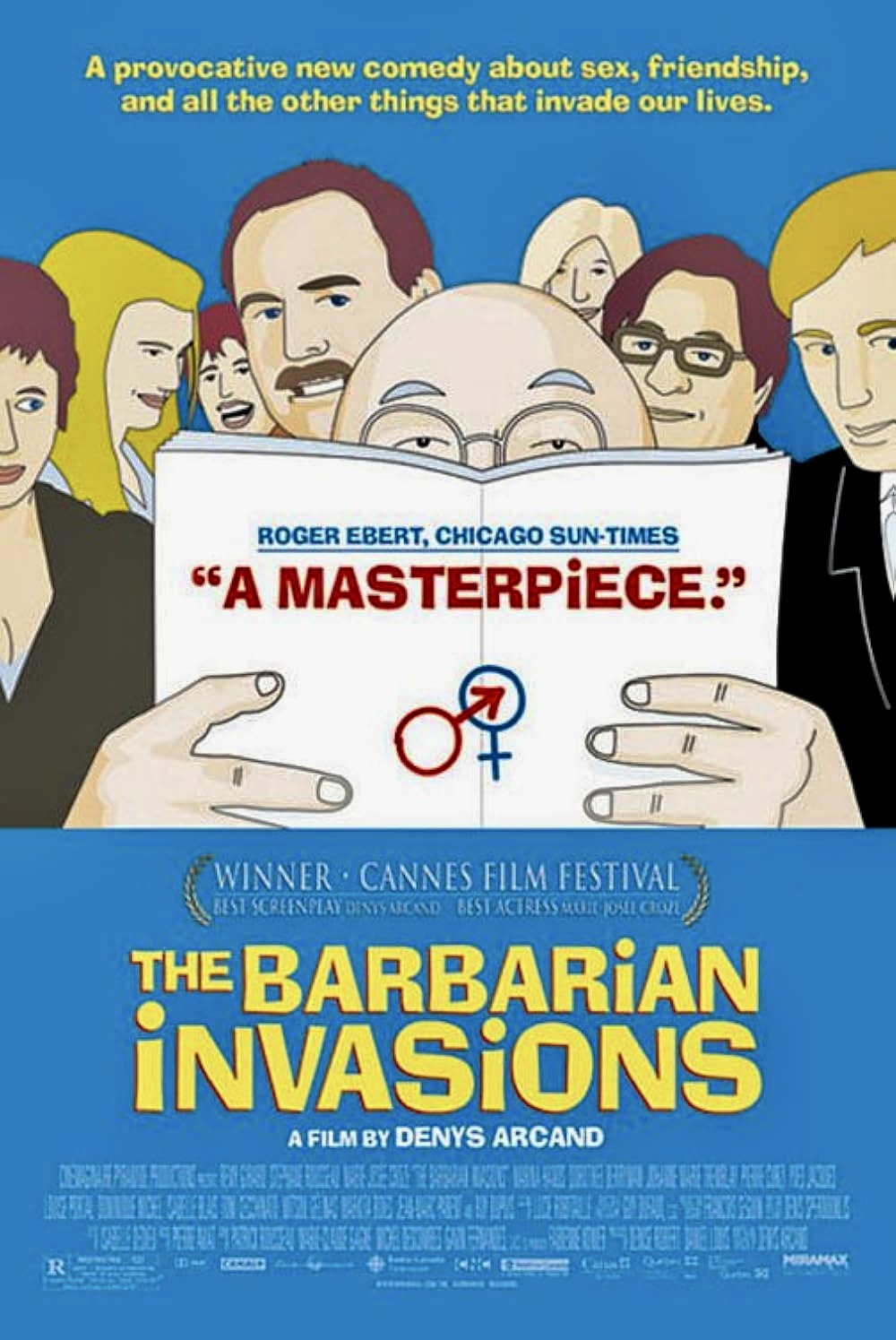
Canadian writer/director Denys Arcand burst upon the international film world in 1986 with his film The Decline of the American Empire, which won the FIPRESCI Prize at Cannes and the Best Foreign Language Film from the New York Film Critics Circle plus it received an Oscar nomination for Best Foreign Language Film (it lost to The Assault, a Nazi-themed WW2 drama from the Netherlands). A witty but cynical talkfest about a gathering of academics obsessed with sex, Decline was often compared by critics at the time to 1983’s The Big Chill, except it was a “feel bad” version of it. More critical acclaim and awards followed for Arcand’s follow-up feature Jesus of Montreal (1989) and his later work, The Barbarian Invasions (2003), which is often regarded as his finest achievement.

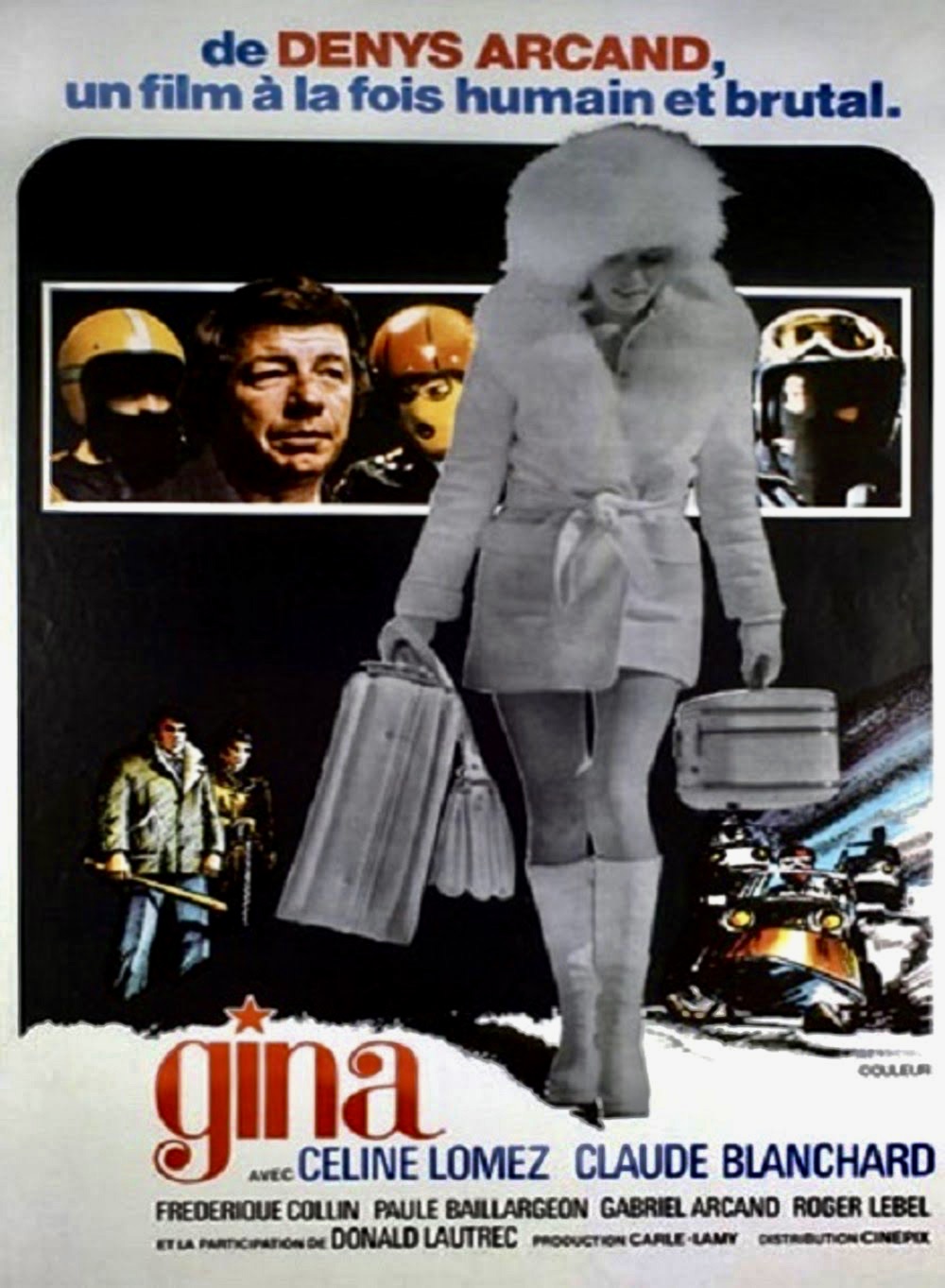
What most non-Canadians didn’t know at the time was that Arcand had made a name for himself making award-winning documentaries for the National Film Board of Canada and then dabbled in the B-movie genre with an unofficial trilogy of crime dramas: La Maudite Galette (English title: Dirty Money, 1972), Rejeanne Padovani (1973) and Gina (1975). These low budget efforts, all of which were shot in Quebec in the French language, helped Arcand hone his skills as a director but were decidedly down and dirty efforts compared to his more intellectual art-house fare in the 1980s yet there is nothing typical or cliched about Arcand’s crime trilogy. Dirty Money depicts a murder scheme for money gone wrong and looks like a precursor to The Coen Brothers’ Blood Simple (1984). Rejeanne Padovani is a sordid tale of political corruption, bribery and murder that was seen as a barely disguised critique of the Canadian government at the time. And Gina, probably my favorite of the three, is a strangely effective hybrid of softcore melodrama and revenge thriller crossed with a bleak portrait of working class life in the provinces – in this case, the textile mill town of Louiseville, Quebec during a particularly frigid winter.

Continue reading

Tales from the Balkans

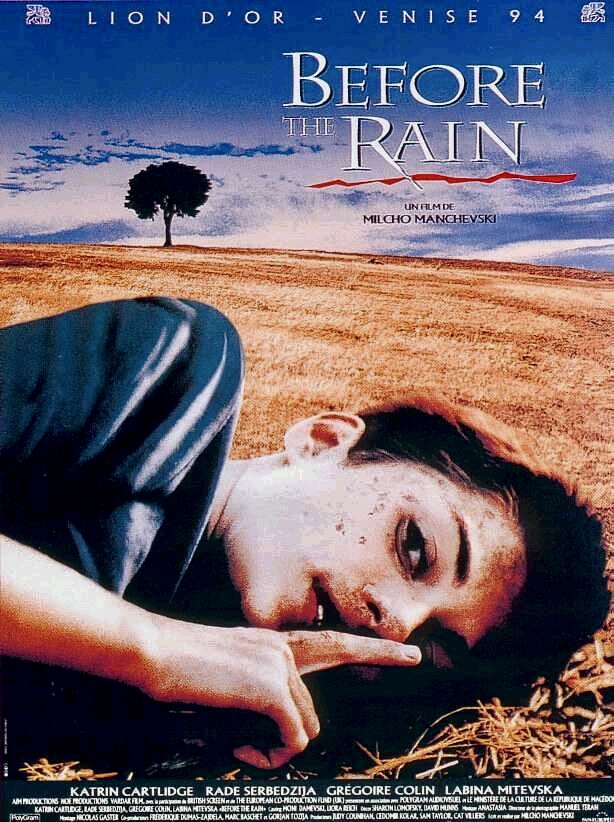
When Yugoslavia ceased to exist as a country in 1991, the six republics within that nation – Croatia, Montenegro, Serbia, Bosnia & Herzegovina, Slovenia and Macedonia – split up into individual countries but several of them experienced ethnic conflicts and internal strife that erupted into war. Some of the worse infighting and loss of human life took place in the Bosnia, Serbia and Croatia regions between 1991 and 1995 but chaotic conditions continued to affect the six republics up to 2001. Macedonia was spared from most of the war but people in that country lived under the constant threat of impending chaos and some individual feuds could easily have led to a full blown revolution such as the situation depicted in Milcho Manchevski’s Pred Dozhdot (English title: Before the Rain, 1994). The first Macedonian film to receive international recognition and acclaim, Manchevski’s feature debut, however, is not an attempt to delve into the social and political issues that resulted in the Yugoslav Wars or a docu-drama that puts the ethnic conflicts into a contextual frame. Instead, he takes a poetic but accessible approach that creates empathy for the victims and their families in a way that makes it just as timely and relevant today as it was in 1994.

Continue reading