 If U.S. moviegoers are familiar with the name Tinto Brass at all, it is probably due to the infamous 1979 epic Caligula which featured world renowned actors (Peter O’Toole, Helen Mirren, John Gielgud, Malcolm McDowell, etc.) and hardcore sex scenes (which were later added by producer/Penthouse tycoon Bob Guccione against the wishes of Brass who disowned the film). Brass had already established himself as a master of art house erotica/perversity with 1976’s Salon Kitty about a brothel in WWII Berlin where the prostitutes were undercover spies. But after Caligula, Brass seemed much happier directing more modestly budgeted, softcore adaptations of literary works like The Key (1983, based on the novel by Jun’ichiro Tanizaki) and Paprika (1991, inspired by the novel Fanny Hill), which showcased his increasing obsession with shapely female bottoms.
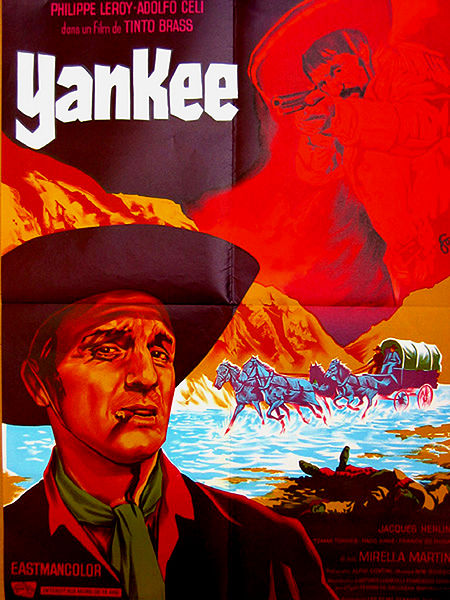
In retrospect, his early career is a contemplation of the paths not taken: documentary (Ca ira, il fiume della rivolta aka Thermidor, 1964), avant-garde cinema (L’urlo aka The Howl, 1970) and eccentric genre offerings such as Col cuore in gola aka Deadly Sweet, 1967). Of the latter, Yankee (1966), the only spaghetti western ever directed by Brass, is definitely worth a look. Continue reading →

 Cinema Sojourns