Moviegoers often complain about the Hollywood practice of remaking a film that was popular the first time around so why make it again. The answer is obvious. A good story is worth retelling again and again and author Peter B. Kyne is one of those writers whose various novels and stories have been adapted to the screen more than 100 times, especially during the silent and early sound era. Many of these works were also adapted by screenwriters without his consent or any compensation from the studios but most film buffs will recognize his most popular creation, which was a 1913 novella entitled Three Godfathers (It first appeared in The Saturday Evening Post in November 1912). D.W. Griffith made a short silent version of it in 1913 with Harry Carey called The Sheriff’s Baby. There was a Universal silent version in 1916 which also starred Harry Carey, then a remake directed by John Ford in 1920 called Marked Men, and yet another remake by Ford in color and starring John Wayne in 1948 entitled 3 Godfathers. Other adaptations include a made-for-TV version entitled The Godson in 1974 and even a 2003 Japanese anime called Tokyo Godfathers from director Satoshi Kon as a homage to the original story. But one version that is often overlooked is Hell’s Heroes (1929) directed by William Wyler.
Continue readingTag Archives: The Warner Archive Collection
Playing the Odds
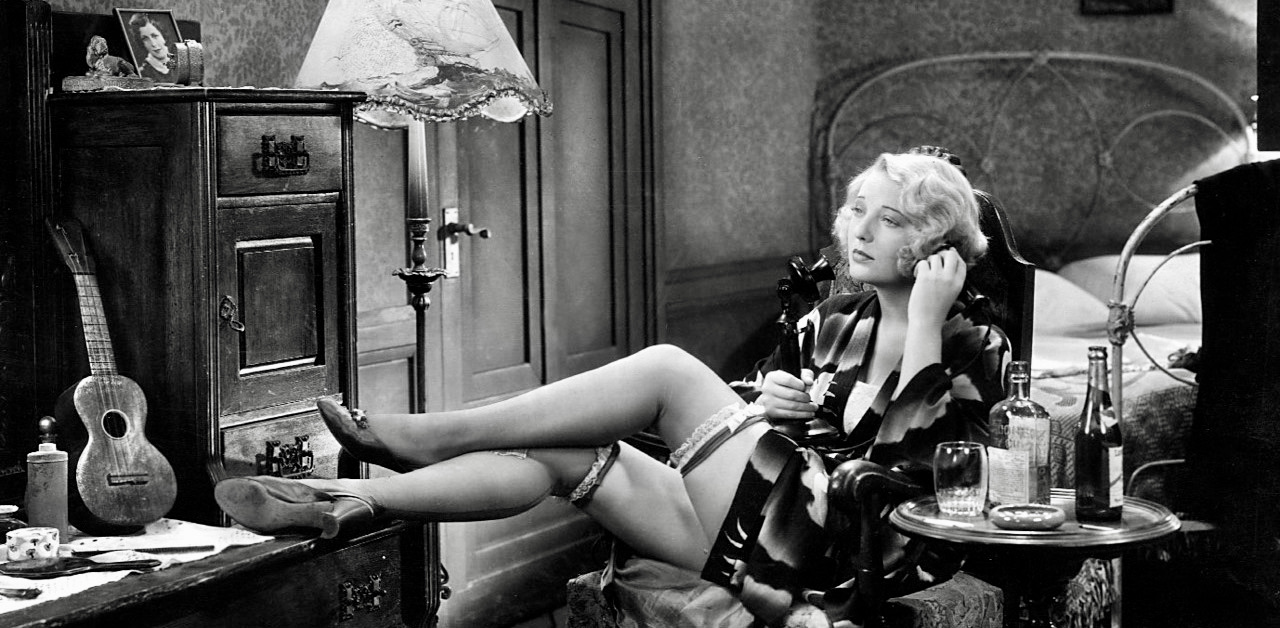
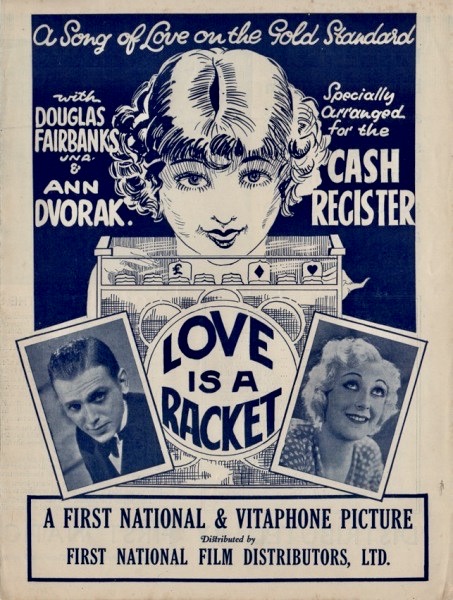
During his years as a contract director at Warner Bros., William Wellman made his mark early with the influential gangster drama The Public Enemy (1931) but didn’t have another major box office success until after he left the studio and directed A Star Is Born (1937), produced by David O. Selznick and distributed by United Artists. Yet, during his tenure with First National Pictures/Warner Bros., Wellman churned out a number of energetic, fast-paced entertainments which are often overlooked by admirers of his work but stand out from the assembly-line programmers they were intended to be. Among the highlights from this early period are Night Nurse (1931) with Barbara Stanwyck, the grim Pre-Code drama Safe in Hell (1931) and Love Is a Racket (1932) starring Douglas Fairbanks, Jr. as a newspaper columnist working the Broadway beat. The latter film is not only a fascinating time capsule of its era, with glimpses of then-popular New York City nightspots such as Sardi’s, but also presents an unapologetic, cynical view of reporters who often resort to any means necessary to score a front-page story.
Continue readingHeart of Darkness
The Pre-Code era of Hollywood when films were much more explicit, suggestive and racy is generally believed to be that period between 1929 and 1934, the year the Production Code was officially enforced. After that the studios had to comply with a long list of restrictions imposed on motion pictures by Joseph Breen (director of the PCA aka Production Code Administration) in terms of subject matter, situations and characters if the producers wanted their films to get a commercial release. Of course, film censorship in Hollywood existed before 1934 but it was not always enforced. Complaints from moral guardian groups and religious organizations like the Catholic Legion of Decency were crucial in pressuring Hollywood to reduce the amount of sex, violence and decadence in movies. Some of their earliest targets were three films from MGM, which were a collaboration between director Tod Browning and Lon Chaney – The Unholy Trio (1925), The Unknown (1927) and West of Zanzibar (1928). All three of the films contain perverse and unsettling storylines but West of Zanzibar tops them all in terms of shock value even by today’s standards.
Continue readingHow Low Can You Go?

Most classic movie fans are well aware of the impressive and versatile film legacy of William A. Wellman, who directed Wings (1927), the first film to win the Best Picture Oscar in the Academy’s history, as well as bona fide classics like the 1937 version of A Star is Born and the gritty WW2 drama, Battleground (1949). It has only been in recent years, however, that Wellman fans have become acquainted with the groundbreaking Pre-Code dramas he helmed in the early thirties thanks to DVD releases from the Warner Archive Collection. Outside of occasional airings on Turner Classic movies, most of Wellman’s racy, vibrant work in the Pre-Code era had been unseen for years. But suddenly the floodgates were open and film buffs were finally able to enjoy the eyebrow-raising excesses of Night Nurse (1931), Love is a Racket (1932), Frisco Jenny (1932) and Heroes for Sale (1933), to name just a few. The diamond in the rough for my money though is Safe in Hell (1931), featuring a gutsy, no-holds-barred performance by Dorothy MacKaill. When you see this film, you can understand why the Production Code was created.
Continue reading