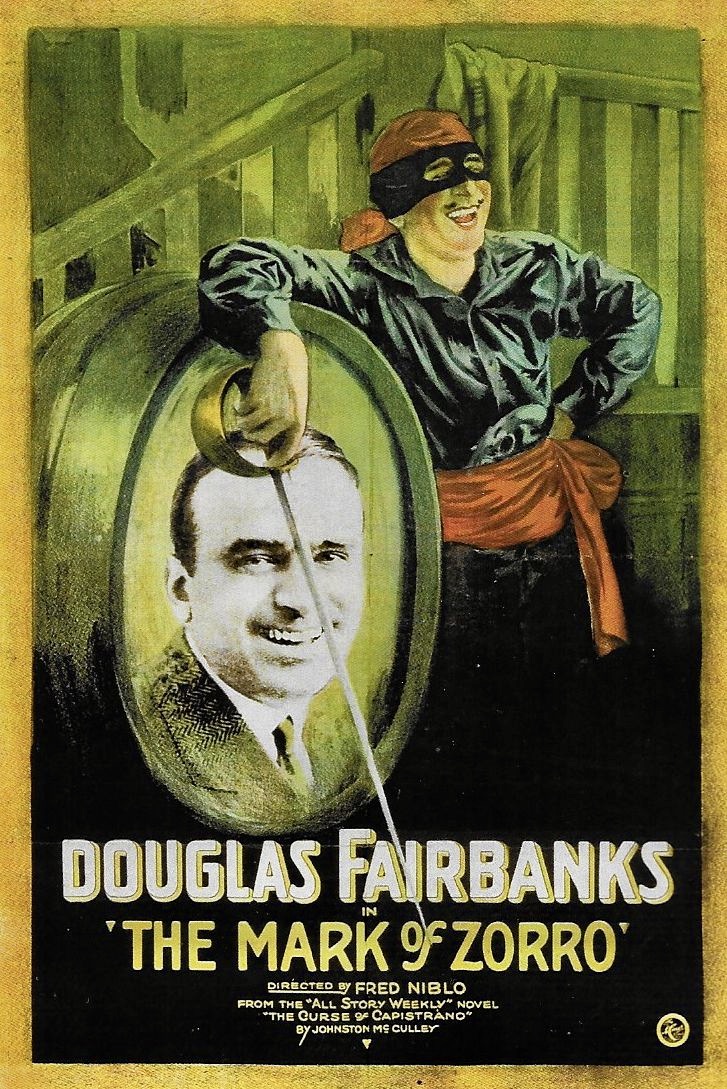
It is a well known fact that Douglas Fairbanks was one of the first superstars of the silent era but he first became famous as a leading man in romantic comedies such as Wild and Woolly (1917) and Reaching for the Moon (1917). In the aftermath of World War I, audiences had grown bored with the cheerful, boy-meets-girl formula that had made Fairbanks a popular screen idol so the star decided to try a different tactic. A short story by Johnston McCulley, “The Curse of Capistrano,” had appeared in the pulp magazine, All-Story Weekly, and he decided to read it during a long train trip from New York to Los Angeles. This was unusual in itself since Fairbanks did not like to read (and that included his movie scripts) but actress Mary Pickford encouraged him to read the serial and McCulley’s story became his next project. It was first called The Curse of Capistrano, which was then changed to The Black Fox and finally released as The Mark of Zorro in 1920.
Continue readingTag Archives: The Three Musketeers
Queen of the Roller Derby
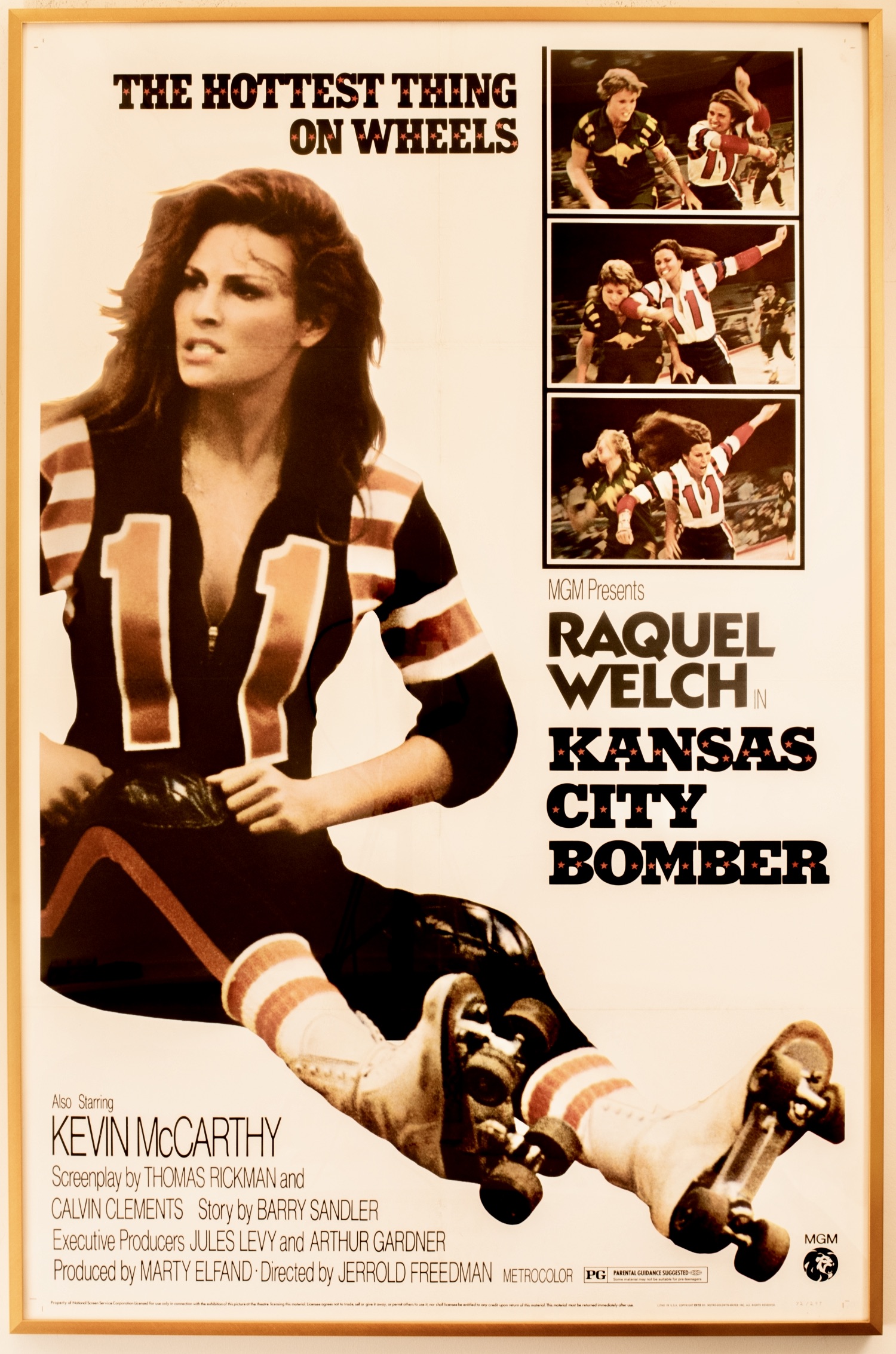
Raquel Welch. Not a name that conjures up Oscar-winning movies. Instead, a vision of a cavegirl in a bikini comes to mind. Or maybe a buff female fitness instructor with a video line for women with titles like Lose 10 Lbs. in 3 Weeks. Yet, there was a time when Raquel tried to break the Playboy playmate stereotype and prove herself as a dramatic actress. The year was 1972 and the film was Kansas City Bomber. An attempt to cash in on the then-popular roller derby craze, the film was also the actress’s first bona fide attempt to create a real flesh and blood character – a struggling, single mom of two trying to make ends meet by plying her skating talent in the sports arena.
Continue readingLife After the Bomb
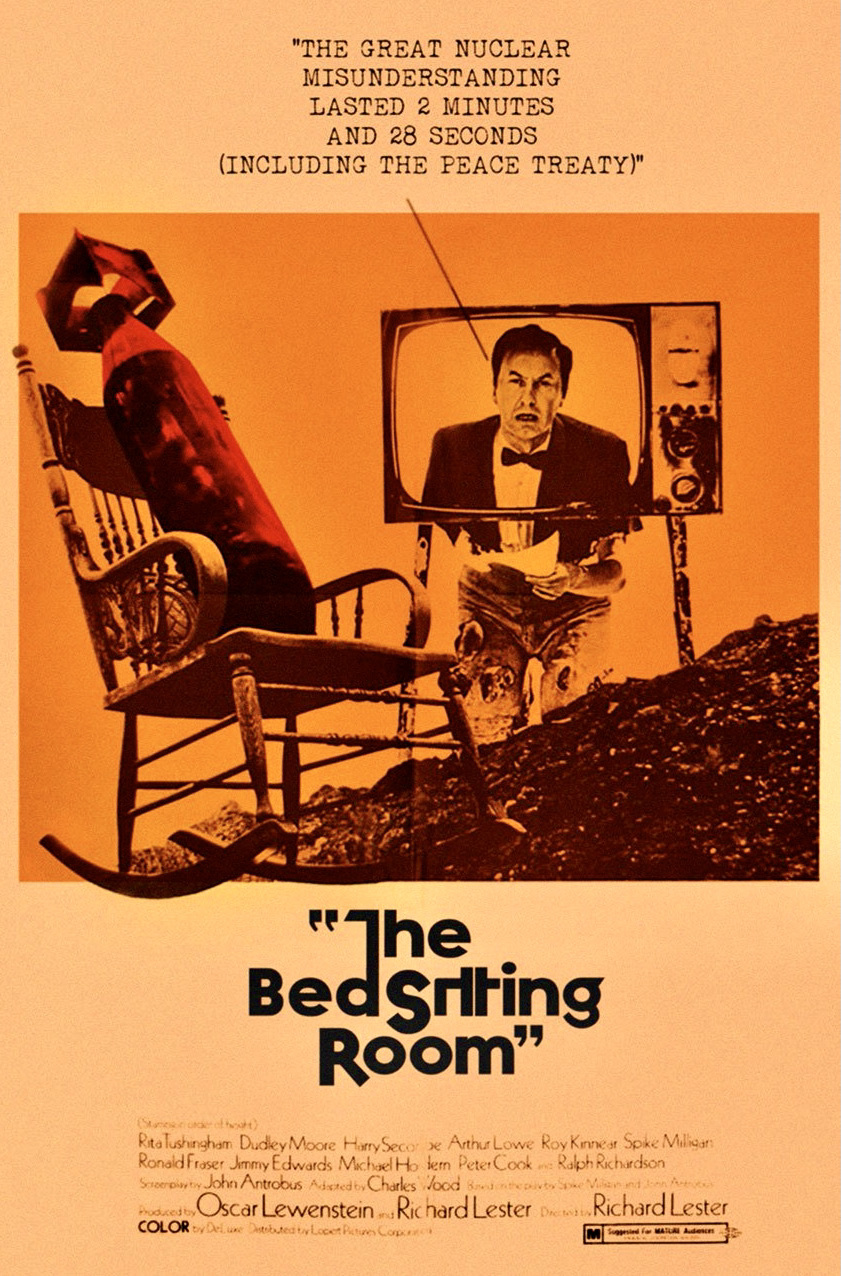
What would life be like after a global apocalyptic event or would there be any life at all? It is certainly a topic that has inspired filmmakers to create an entire subgenre upon the premise. Some of the more famous and/or infamous efforts have usually focused on a handful of survivors like Arch Oboler’s low-budget message melodrama Five (1951), Stanley Kramer’s On the Beach (1959), the interracial menage-a-trois of The World, the Flesh and the Devil (1959) and Roger Corman’s similar three-character B-picture, The Last Woman on Earth (1960). Other variations have been more epic in scope and ambition with a distinct sci-fi/horror approach like the various film versions of Richard Matheson’s I Am Legend, The Road Warrior (1981) and other Mad Max sequels and clones as well as post-apocalyptic zombie flicks like World War Z (2013). Comedies about life-after-the-bomb, however, are a rarity but probably the weirdest and most deeply cynical of them all is The Bed-Sitting Room (1969), directed by Richard Lester.
Continue reading