Yma Sumac, that rarest of exotic songbirds, officially became an extinct species on Saturday, Nov. 1, 2008 in Silver Lake, California. Her passing was barely noticed by the media despite the fact that her impact on pop culture in the early fifties had an international impact. From her first U.S. album release, Voice of the XtaBay (1950), and Hollywood film debut Secret of the Incas (1954) starring Charlton Heston, to everything that followed in her curious career, Sumac has been many things to many people.
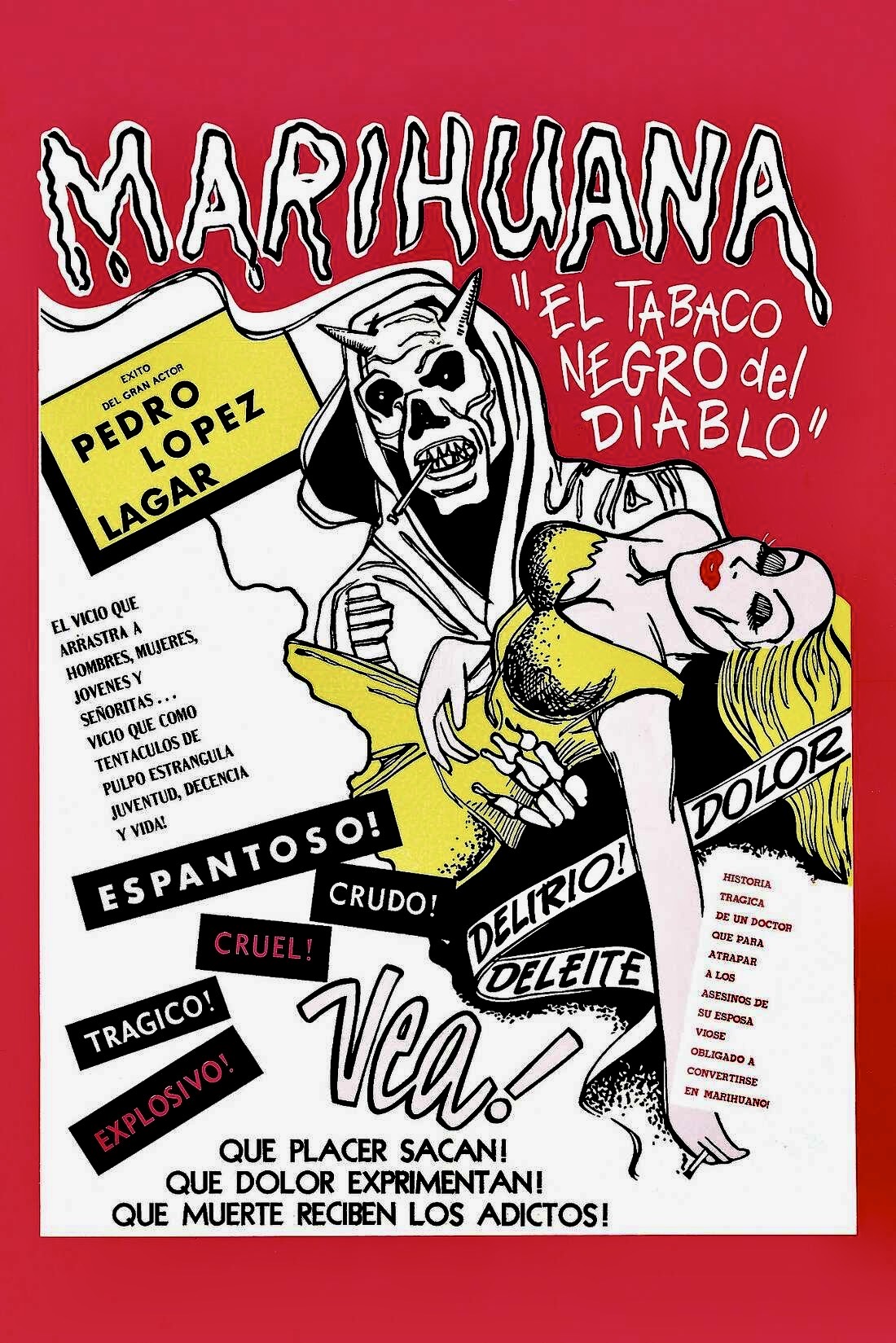
The Argentinean exploitation film poster for THE MARIHUANA STORY (1950).
Among the many anti-marijuana films made over the years, it is generally agreed that the most famous of them all is Reefer Madness (1936), which earned a huge cult following in the 1960s due to its outrageously over-the-top depiction of marijuana use and its effects. Most of the anti-pot movies were false, exaggerated presentations of how the herb turned users into addicts and rivaled heroin as a gateway into sin, debauchery, violence and death. The U.S. was not alone in turning out these anti-drug scare films and one of the lesser known but historically significant releases for its time was Marihuana (U.S. title, The Marihuana Story, 1950), directed by Argentinian filmmaker Leon Klimovsky, who would later relocate to Spain and specialize in horror movies, spaghetti westerns and other low-budget genre efforts.
One of the theaters housed inside Filmhouse, a 3-screen art house complex in Edinburgh, Scotland that was recently closed (photo by Ian Grundy).
Friday, October 7, 2022 was a black day for film lovers in Edinburgh and for anyone who has ever visited Filmhouse, a fantastic three-screen movie venue that also hosted the annual Edinburgh International Film Festival for years. Without warning, the Centre for the Moving Image (CMI), a charity which receives annual grants for the operation, abruptly closed its doors and laid off more than 100 employees. The shutdown also includes the Belmont Filmhouse in Aberdeen and the annual Edinburgh International Film Festival (EIFF), which was launched in 1947. The financial difficulties that led to this decision are only part of the problem. The impact of COVID on moviegoing in recent years plus the proliferation of so many entertainment streaming choices for the family household has taken a toll on attendance at movie chains but especially independent venues like Filmhouse. In the U.S., we have already seen the closure of the Cinerama Dome and the 14-screen ArcLight Hollywood in Los Angeles, the Lincoln Plaza Cinemas and Landmark’s Sunshine Cinema in New York City and so many others are in danger of vanishing like Facets in Chicago. If you care about the communal experience of a big screen movie experience, then please support your favorite film venue or risk losing it. The Filmhouse was certainly a world renowned shrine to cinema and here are my own memories of the venue from over twelve years ago.
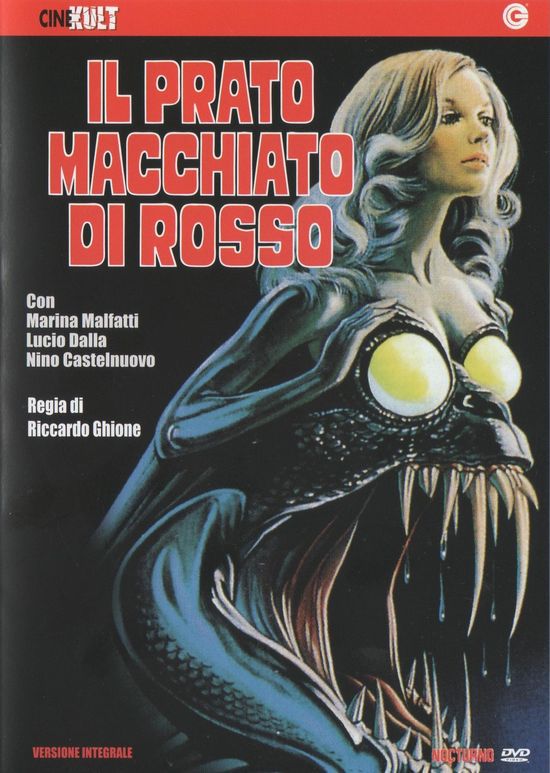
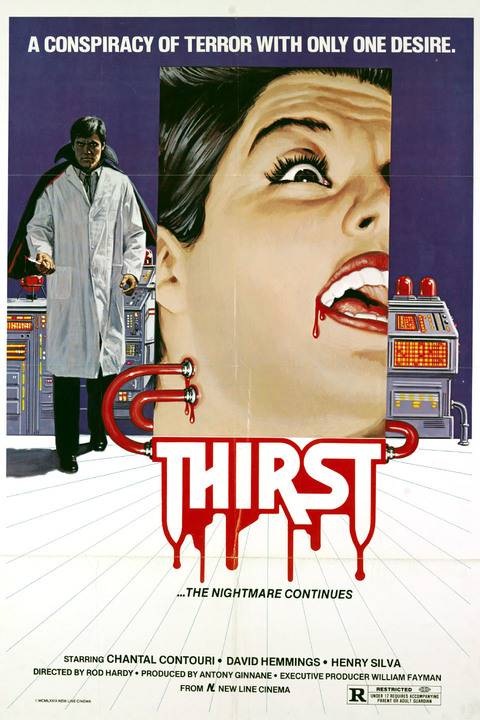
First, let me get this out of the way. The Bloodstained Lawn (Italian title: Il Prato macchiato di Rosso, 1973) is a haphazard mash-up of a genre film, but an entertaining one for Eurotrash completists. The English language title suggests it might be a giallo or a horror film or even a poliziotteschi (crime drama). Actually, it has some elements of those with some sci-fi flavoring added. The central premise involves a form of vampirism which is a complete departure from the old school mythology of Bram Stoker’s Dracula and much closer to the metaphorical horrors of Alain Jessua’s Shock Treatment (French title: Traitement de Choc, 1973) and Rod Hardy’s Thirst (1979). Oddly enough, director Riccardo Ghione seems much less interested in playing up the horrific aspects of the story than depicting bourgeois decadence and the exploitation of the disenfranchised as a quasi-political fantasy.Continue reading →



 Cinema Sojourns