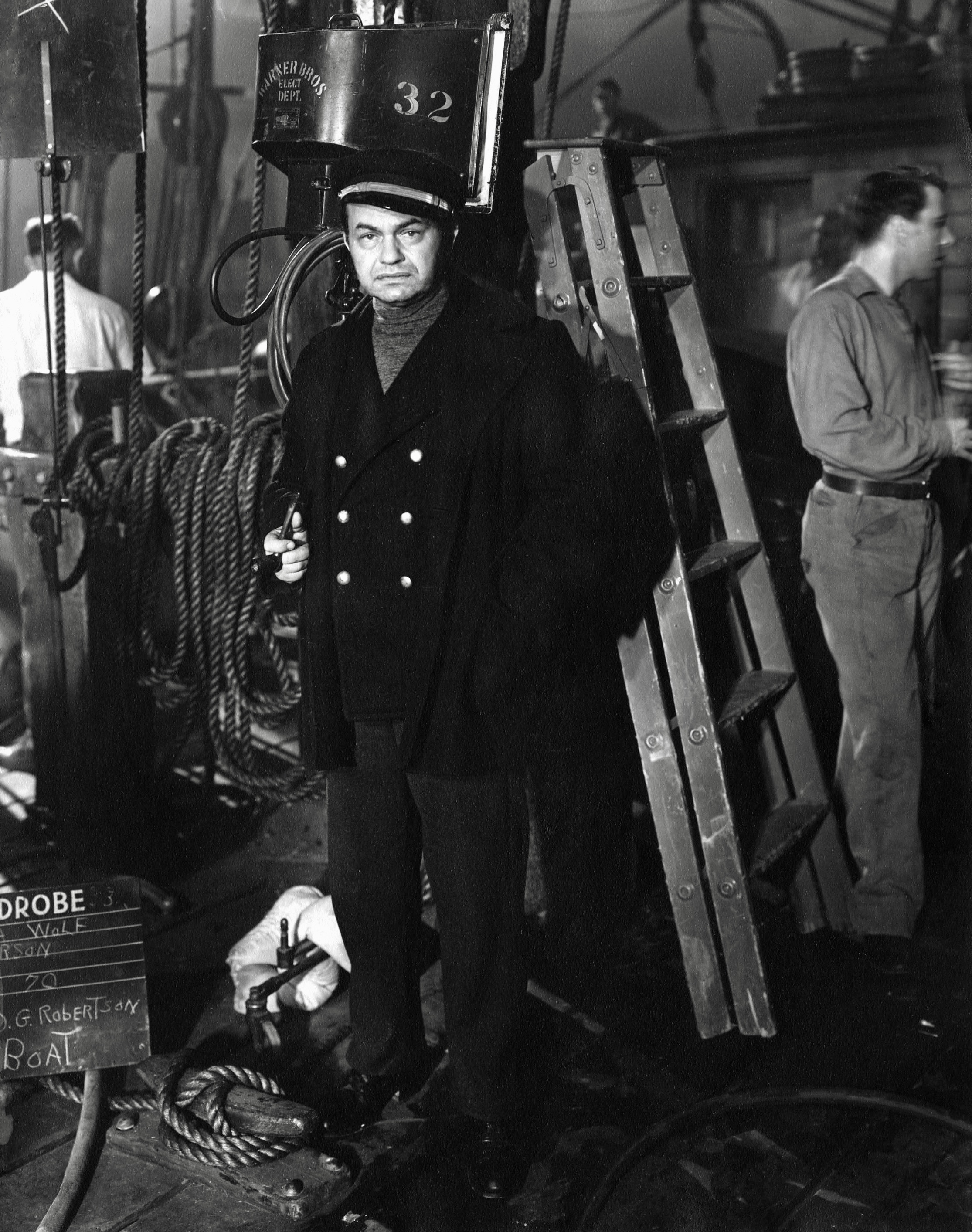
Edward G. Robinson is Wolf Larsen

Edward G. Robinson on the set of THE SEA WOLF (1941), in which he plays the maniacal captain Wolf Larsen from the Jack London novel.

Among the many tales about ill-fated ocean voyages, obsessive and tyrannical sea captains are usually at the root of the trouble. Some of the more memorable ones include Captain Ahab in Moby Dick, Captain Bligh in Mutiny on the Bounty, and Captain Queeg in The Caine Mutiny. But none of these misguided authority figures can match the sadism and brutality of Wolf Larsen, the megalomaniac captain of Jack London’s novel, The Sea Wolf, who was famously portrayed by Edward G. Robinson in a 1941 Warner Bros. production directed by Michael Curtiz.

Continue reading
Searching for Kenyon Hopkins

Film composer and jazz musician Kenyon Hopkins (1912-1983)

How is it that one of the most distinctive and influential film composers of his generation is practically unknown today and almost all of his records out of print and unavailable in any reissue format? Of the many scores listed in his filmography only a few have been re-released on CD in recent years such as The Hustler, Downhill Racer and Baby Doll, which is already out-of-print, but what of the rest? 12 Angry Men, Wild River, Lilith, The Strange One, Mister Buddwing, This Property is Condemned, The Yellow Canary, The Fugitive Kind…and I haven’t even mentioned the space age bachelor pad music he created with the Creed Taylor Orchestra – Nightmare, Shock Music in Hi-Fi, Panic: The Son of Shock and more.  

Continue reading

Hot Nocturne

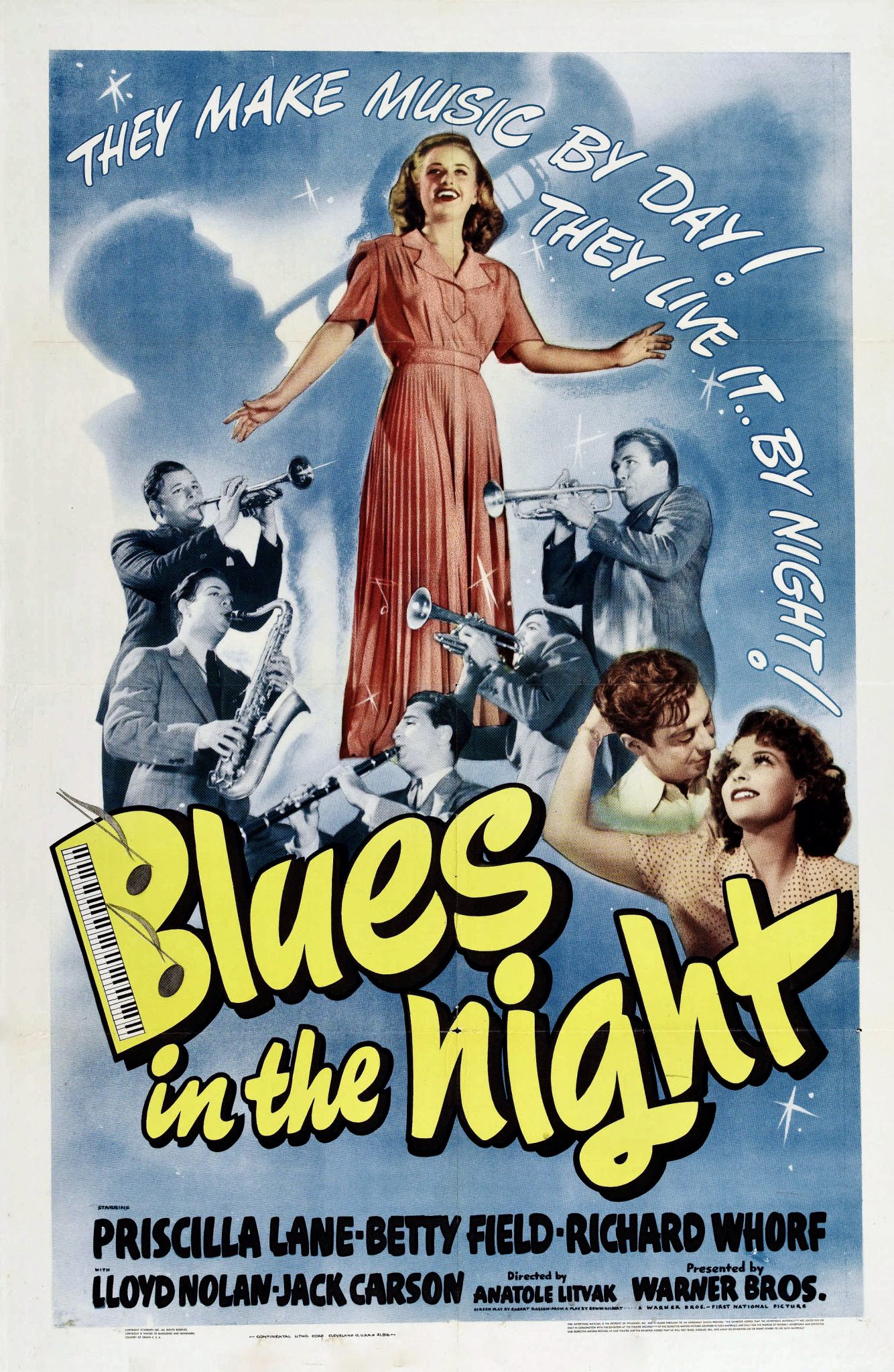
Most Hollywood films about musicians that were made during the studio era were usually biopics and focused on individual artists such as George Gershwin (Rhapsody in Blue, 1945) and Glenn Miller (The Glenn Miller Story, 1954). It was rare to see a feature film that detailed the ups and downs of an entire band and, in the case of 1941’s Blues in the Night, the featured jazz sextet was entirely fictitious. Originally titled Hot Nocturne, the name was changed just prior to its theatrical release to capitalize on the Harold Arlen-Johnny Mercer hit song that became its signature tune.

Continue reading