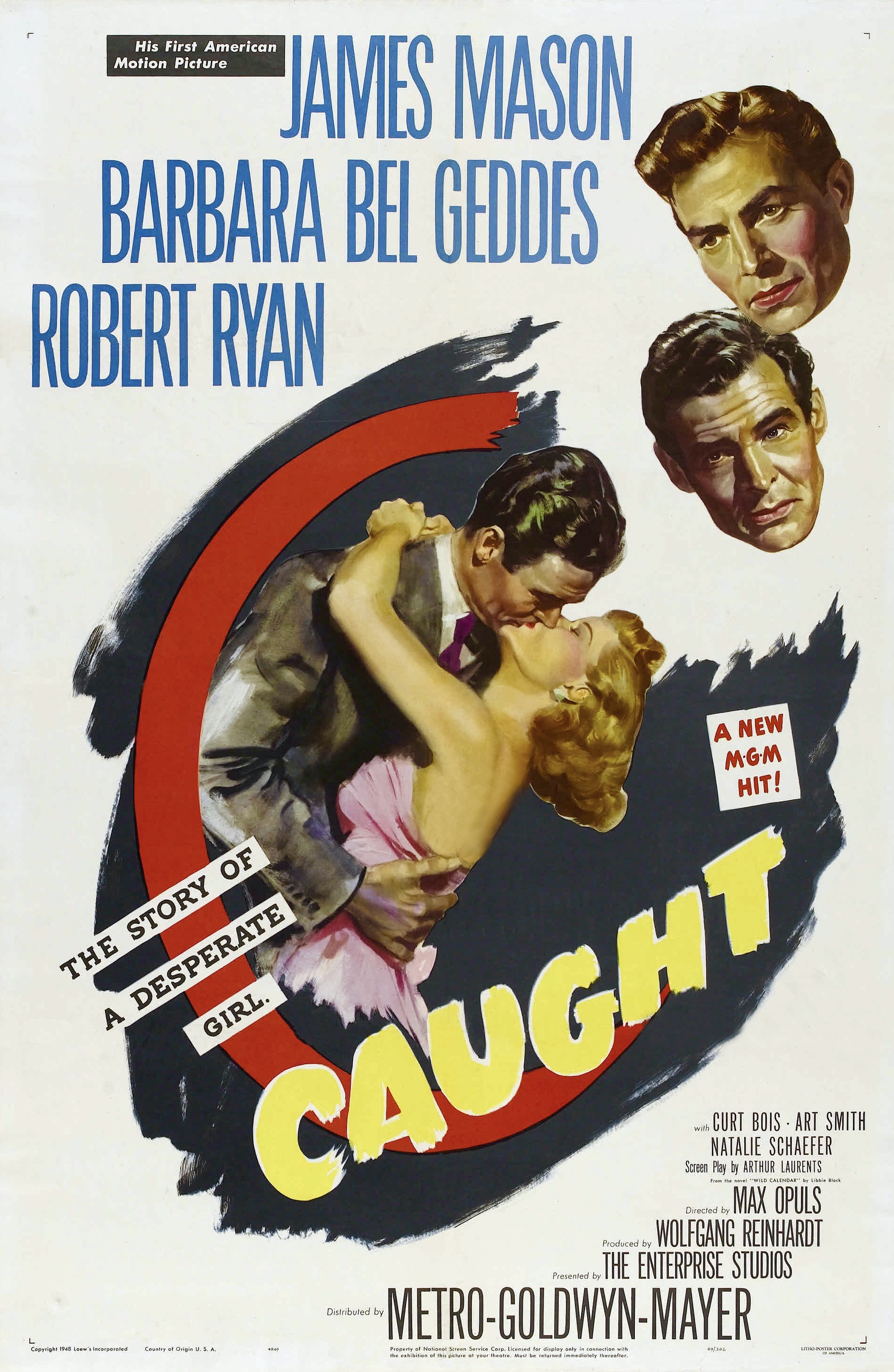
Max Ophuls’ Caught

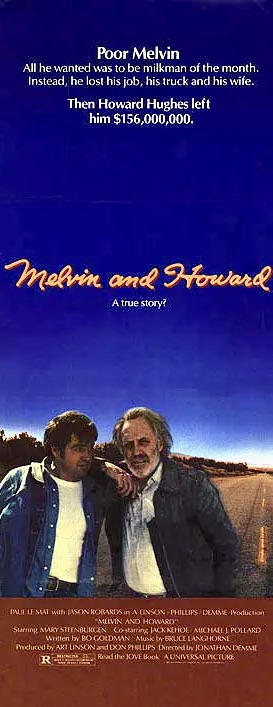
Over the years there have been numerous biographies written about aviation legend/studio mogul/eccentric billionaire Howard Hughes; everything from fake ones like Clifford Irving’s Autobiography of Howard Hughes to definitive accounts such as Howard Hughes: His Life and Madness by Donald L. Bartlett and James B. Steele. In contrast, there have been very few motion pictures about him. Martin Scorsese’s The Aviator (2004), based on the Bartlett & Steele biography, is the only feature film about his life to date. There was also a TV movie, The Amazing Howard Hughes (1977), with Tommy Lee Jones in the title role, and Jonathan Demme’s Melvin and Howard (1980), a quirky docudrama/comedy about Melvin E. Drummar (Paul Le Mat), a Utah man who claimed Hughes (Jason Robards Jr.) named him in his will after rescuing him in the Nevada desert.
Strangely enough, my favorite film about Howard Hughes isn’t a biopic at all but a noir-like melodrama featuring a character who was clearly inspired by the megalomaniac tycoon – Caught (1949), by German director Max Ophuls. Smith Ohlrig, the business tycoon modeled on Hughes, may not resemble him in terms of a biographical profile but on a psychological level he is the epitome of Hughes in the way he interacted with women, his employees and industry rivals.

Continue reading
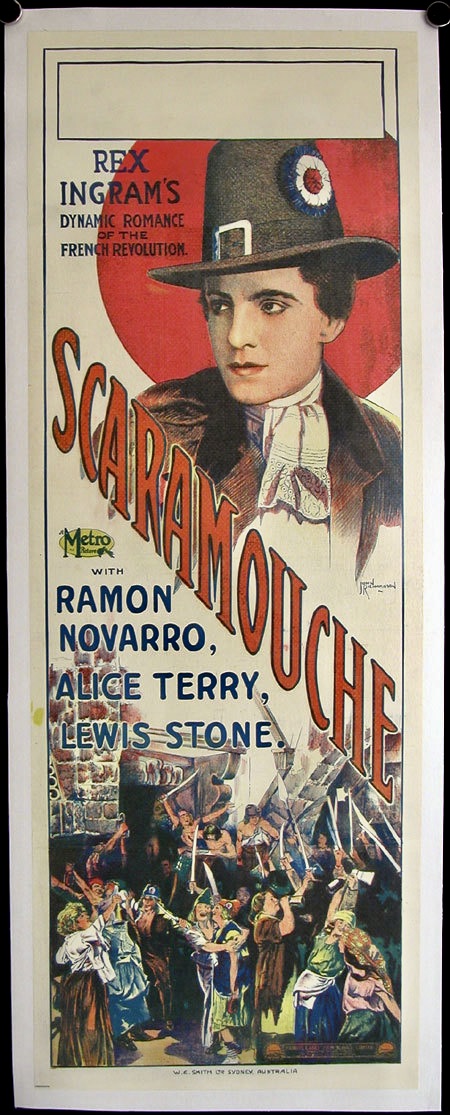
With Sword in Hand

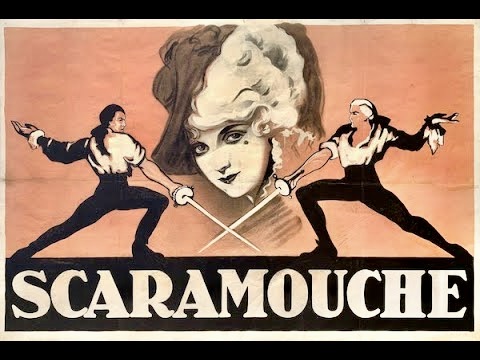
When was the last time you heard someone use the term swashbuckler? That’s a word that harkens back to another time but cinephiles associate it with a specific kind of action-adventure costume drama that became popular during the silent era. It also brought the work of novelist Rafael Sabatini to a larger audience thanks to movie adaptations of his most popular books. Early film adaptations include Scaramouche (1923) with Ramon Novarro in the title role, the 1924 versions of Captain Blood and The Sea Hawk and Bardeleys the Magnificent (1926) starring John Gilbert. And it was Errol Flynn who would come to represent the epitome of a swashbuckling hero, one skilled in sword fighting and other daring feats, in definitive versions of two Sabatini novels, Captain Blood (1935) and The Sea Hawk (1940) plus his iconic role in The Adventures of Robin Hood (1938)

Yet, of all the swashbuckling novels written by Rafael Sabatini, Scaramouche is probably his best and most enduring work, even more so than Captain Blood, because of its rich and complex narrative, which spawned so many movie adaptations. Besides the superb 1924 silent version, there is MGM’s lavish 1952 Technicolor remake with Stewart Granger, the 1963 French costumer The Adventures of Scaramouche, an Italian comedy spoof Da Scaramouche or se Vuoi L’assoluzione Baciar devi sto…Cordone! (1973), a Spanish spinoff Los Hijos de Scaramouche (1975) and the 1976 international production The Loves and Times of Scaramouche (1976), directed by Enzo G. Castellari. There were even more adaptations and ripoffs including TV versions but my favorite of the lot is MGM’s 1952 remake.

Continue reading

A Concert Pianist’s Worst Nightmare

The German film poster for the 1924 silent classic THE HANDS OF ORLAC.

What is the worst thing that could happen to a celebrated world class pianist? It would have to be something that destroyed his famous hands, wouldn’t it? The Hands of Orlac, based on a novel by Maurice Renard, has been adapted for the screen numerous times but the 1924 version by German director Robert Wiene remains a masterpiece of silent horror cinema.

Continue reading

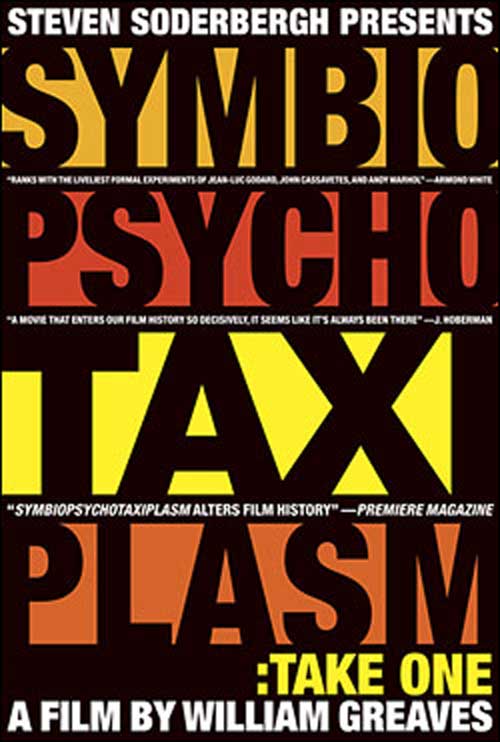
William Greaves: Pushing Boundaries

What the heck is Symbiopsychotaxiplasm Take One? Is it a documentary or is it fiction? Maybe it’s a pretentious mess masquerading as art or possibly the most unique experimental film of the late sixties. We’re talking about William Greaves’s rarely seen 1968 work which was released on DVD in December 2006 by the Criterion Collection, thanks to the efforts of filmmakers Steven Soderbergh and Steve Buscemi who were so impressed with this one-of-a-kind collaboration that they helped Greaves’s produce his long-in-the-works sequel to it – Symbiopsychotaxiplasm Take 2 1/2 – in 2005 (and which is also included on the Criterion disc).   Continue reading