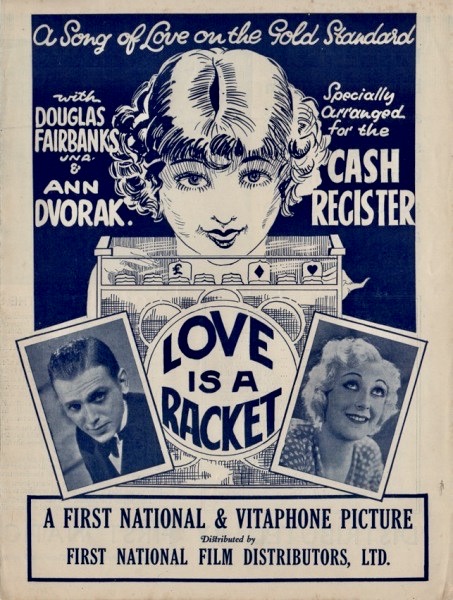
During his years as a contract director at Warner Bros., William Wellman made his mark early with the influential gangster drama The Public Enemy (1931) but didn’t have another major box office success until after he left the studio and directed A Star Is Born (1937), produced by David O. Selznick and distributed by United Artists. Yet, during his tenure with First National Pictures/Warner Bros., Wellman churned out a number of energetic, fast-paced entertainments which are often overlooked by admirers of his work but stand out from the assembly-line programmers they were intended to be. Among the highlights from this early period are Night Nurse (1931) with Barbara Stanwyck, the grim Pre-Code drama Safe in Hell (1931) and Love Is a Racket (1932) starring Douglas Fairbanks, Jr. as a newspaper columnist working the Broadway beat. The latter film is not only a fascinating time capsule of its era, with glimpses of then-popular New York City nightspots such as Sardi’s, but also presents an unapologetic, cynical view of reporters who often resort to any means necessary to score a front-page story.
Continue readingTag Archives: Lyle Talbot

Aline MacMahon in Heat Lightning
Most classic movie fans know Aline MacMahon as the wise-cracking Trixie in Gold Diggers of 1933, the devoted wife of Guy Kibbee in William Keighley’s film version of Babbitt (1934) or the victimized heiress in George B. Seitz’s Kind Lady (1935). These were stand-out roles but she was usually relegated to supporting parts, especially during her contract years at Warners Bros. With her Irish/Russian ancestry, MacMahon was not a conventional leading lady but she had an offbeat beauty that was both soulful and melancholy. These qualities, plus a steely toughness and dry sense of humor, make her performance in Heat Lightning (1934) particularly memorable. It also marked her first film in a leading role after playing character parts in 12 movies. Continue reading
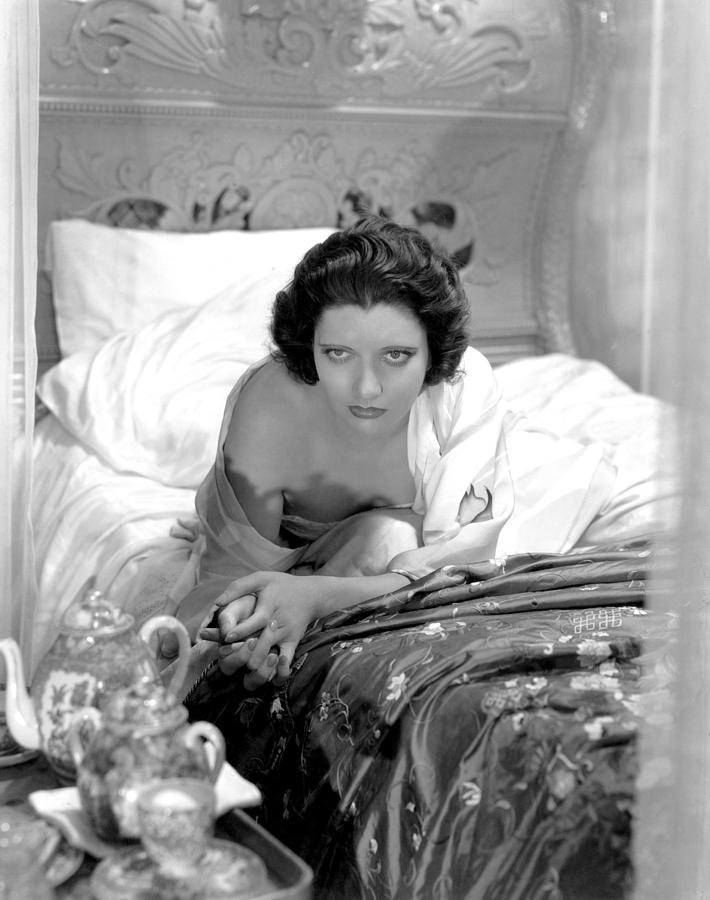
Kay Francis as the Notorious ‘Spot White’
Today her place in film history rates little more than a footnote in the ascendancy of Warner Bros. as a major Hollywood studio, but Kay Francis was their first major female star whom they had lured away from Paramount in 1931. During her peak years for the studio between 1932 and 1935, she specialized in melodramas, soap operas and lightweight comedies which accented her elegance and chic fashion sense but also stereotyped her in increasingly inferior films.
She was dethroned by Bette Davis as Warners’ top star in 1936 and, by 1938, she was labeled “box office poison” in an article by The Hollywood Reporter. Still, there are several essential must-see titles among the more than sixty-five movies that she made (Ernst Lubitsch’s Trouble in Paradise [1932], Jewel Robbery [1932], Wonder Bar [1934], for example) and Mandalay (1934) is one of her best dramatic showcases as well as an enormously entertaining, eyebrow-raising Pre-Code wonder. (It was made before the Code was officially enforced but released after the fact.) Continue reading