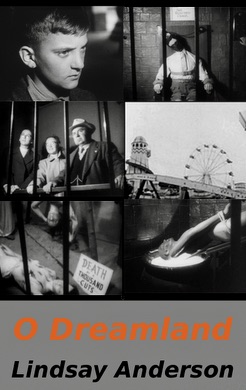
The 1960s might be seen as the decade that ushered in a significant number of game changing film movements such as the Czech New Wave, Cinema Verite and New German Cinema but the 1950s shouldn’t be overlooked for inspiring the birth of the Nouvelle Vague in France and the self-reflective ‘kitchen sink’ realism trend in England. One of the most influential but short lived film developments during this period was the Free Cinema movement, which flourished between 1956 and 1959 in the U.K.. It rejected the conservativism and class bound traditions of commercial filmmaking as well as the didactic approach to documentaries made famous by Scottish director John Griegson (Song of Ceylon [1934], Night Mail [1936]]. Instead, Free Cinema was dedicated to making personal films that expressed the opinion and artistic vision of their directors despite limited budgets and semi-amateur conditions (most of the movies were shot with a 16mm Bolex camera). Karel Reisz, Alain Tanner, Claude Goretta, Tony Richardson and Lindsay Anderson were among the leaders of the Free Cinema group but Anderson, in particular, created some of the movement’s most significant work, including Wakefield Express (1952), O Dreamland (1953), Thursday’s Children (1955) and Every Day Except Christmas (1957). Continue reading
Tag Archives: Lindsay Anderson
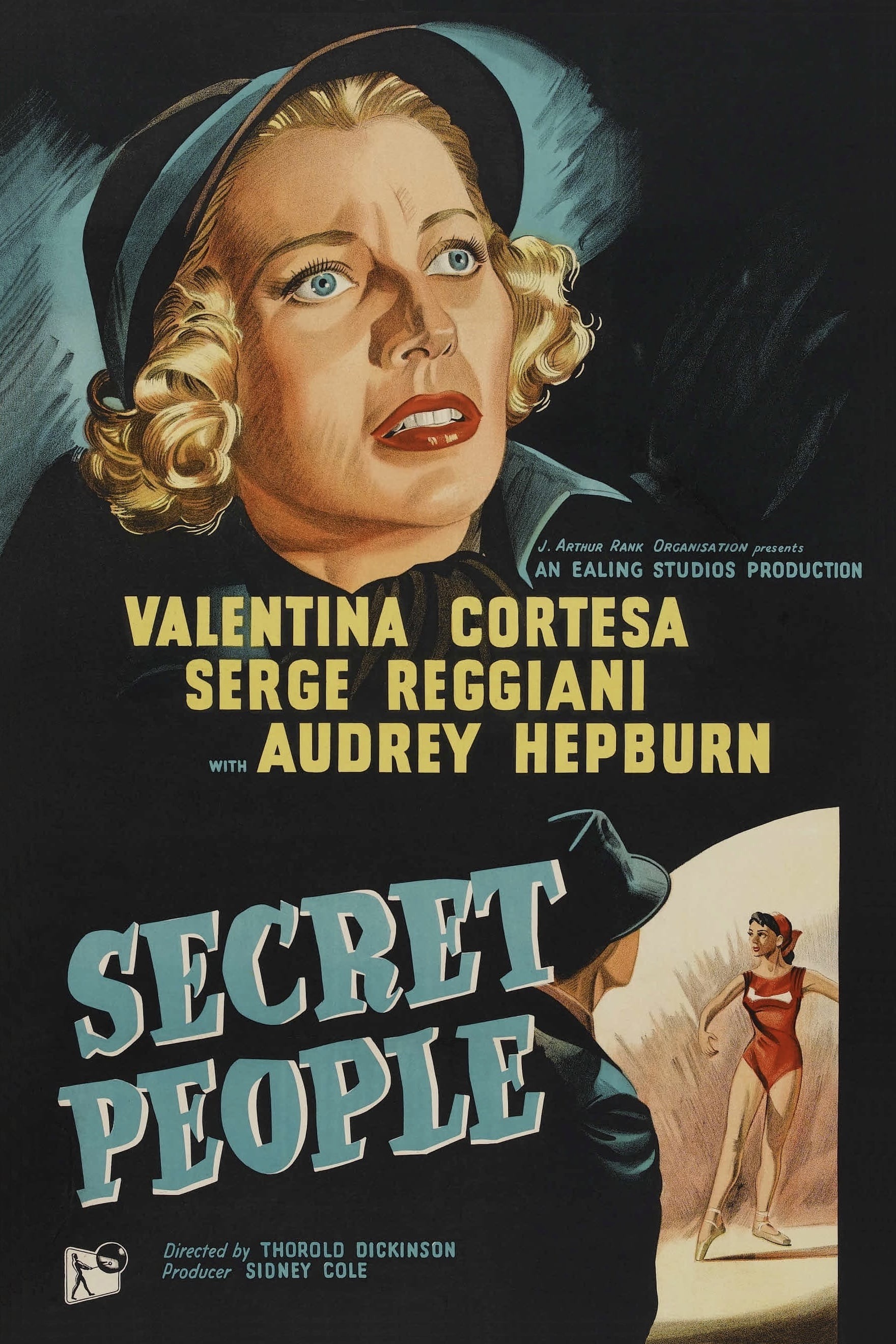
Thorold Dickinson’s Secret People
Though little known in the U.S. today except by movie buffs, Thorold Dickinson is an important figure in the development of the British film industry. A screenwriter, editor, director and producer, Dickinson wore many hats and exerted considerable influence in his various positions over the years as Coordinator of the Army Kinematograph Service’s film unit, Professor of Film at the Slade School of Fine Art and Chief of Film Services at UNESCO (United Nations Educational, Scientific and Cultural Organization). In addition to collaborating with other British filmmakers on their work and co-directing several features, he rose to prominence on the basis of a small but impressive filmography. Among them were the commercial hits, Gaslight (1940), remade in 1944 in Hollywood with Ingrid Bergman and Charles Boyer, and The Queen of Spades (1949), an adaptation of the Alexander Pushkin short story which is considered possibly the best of its many film versions. His skill as a documentarian was equally renowned and The Next of Kin, a military training film he made for the War Office in 1940, was so effective it was given a theatrical release. Men of Two Worlds (1946), a semi-documentary collaboration between the Ministry of Information and the Colonial Office, was co-scripted with novelist Joyce Cary (The Horse’s Mouth, 1958) and focused on the problem and treatment of sleeping sickness in African tribes. Yet, the most ambitious film of Dickinson’s career – and the one that almost ended it was Secret People (1952), which was an examination of the terrorist mindset and years ahead of its time.
Continue reading

