
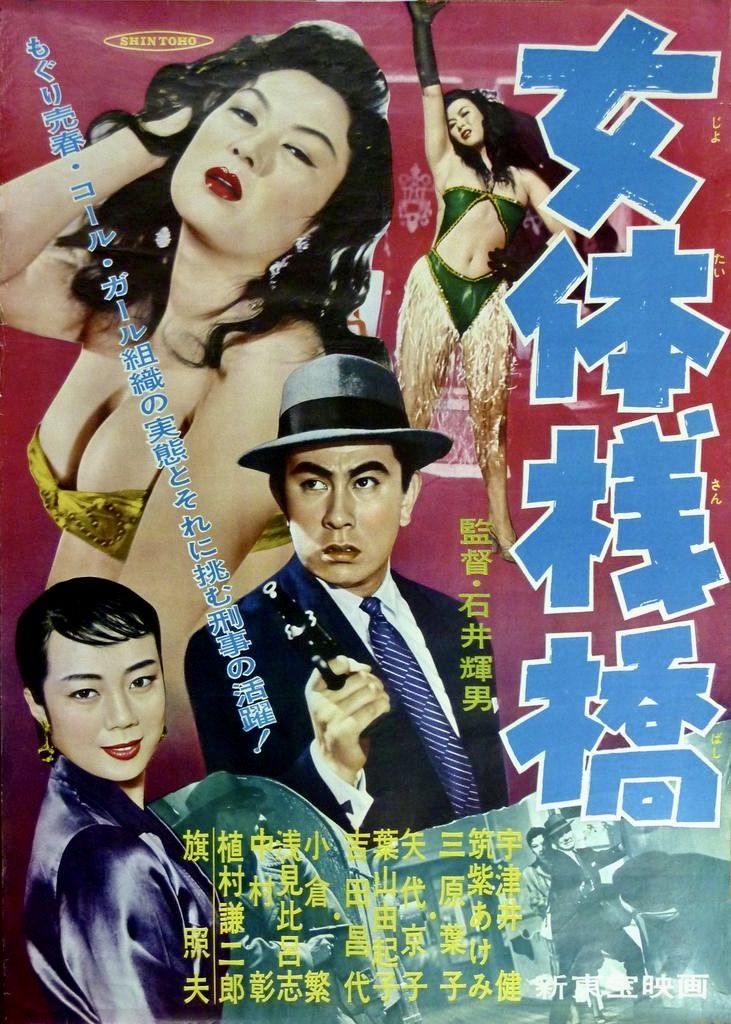
In January 1950 U.S. Senator Estes Kefauver launched an investigation into organized crime across America that exposed rampant corruption, racketeering and illegal practices being committed within public institutions across the country. Since these hearings were broadcast on television and the radio, the American public soon learned about various crime syndicates that were operating in specific cities and states. Movie studios in Hollywood also took note and began turning out numerous crime expose movies filmed in a semi-documentary fashion and often featuring an opening narration that used a real law official to warn against the situation being depicted. Among the more representative of these crime expose thrillers were Kansas City Confidential (1952), The Captive City (1952), Down Three Dark Streets (1954), The Phenix City Story (1955) and The Brothers Rico (1957). Without a doubt, this new trend in crime movies influenced filmmakers around the globe with countries as diverse as Germany, the U.K. and Japan creating their own variations on the formula. Nyotai Sanbashi (1958), which roughly translates as Pier of a Woman’s Body or Flesh Pier, is a particularly tantalizing down-and-dirty B-movie from Japanese director Teruo Ishii that mimics the expose approach of The Phenix City Story in its tale of mob-controlled businesses, sex trafficking and other criminal activities in Tokyo.
Continue reading
 Cinema Sojourns