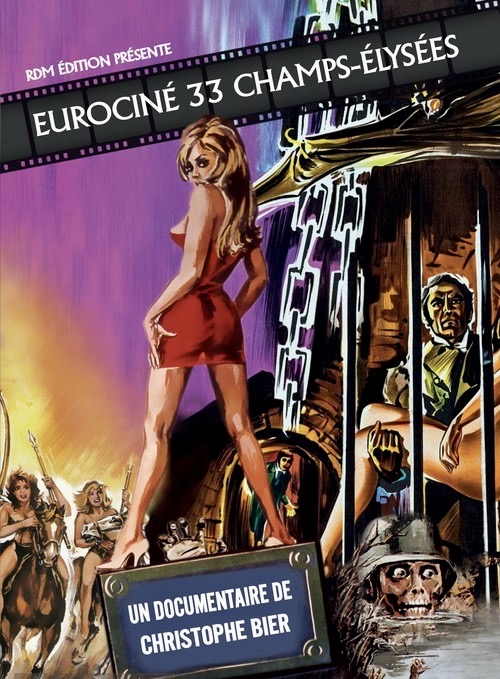
Exploitation films in every imaginable genre from the late fifties to the mid-eighties attracted a specific kind of viewer that enabled U.S. companies like American International Pictures (AIP) and Crown International Pictures to become profitable enterprises through drive-in and grindhouse saturation and later the VHS market. By spicing up their low-budget productions with more sex, violence and subject matter Hollywood avoided, these minor players provided a wildly diverse alternative to mainstream commercial cinema but it wasn’t unique to America alone. Europe also got into the act and the French company Eurocine went from obscurity to cult status for some of its more infamous hits like The Awful Dr. Orlof (1962), Red Hot Zorro (1972), White Cannibal Queen (1980) and Zombie Lake (1982). A behind-the-scenes look at the company’s history and Marius Lesoeur, the man who made it an international brand, is the focus of Eurocine 33 Champs-Elysees (2013), an entertaining and often amusing French documentary which is named after the company’s address in Paris.
Continue readingTag Archives: Jean Rollin
The Kidnapped Heiress
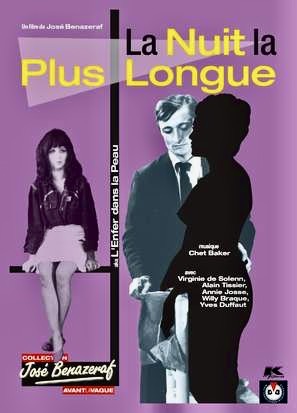
When it comes to crime films, what’s your pleasure? The genre breaks down into so many sub-categories that it helps if you have a particular theme in mind. Bank Heists? Home Invasions? Police procedurals? Gang wars? How about kidnapped heiresses? James Hadley Chase’s 1939 pulp fiction novel No Roses for Miss Blandish is a classic example of this edgy situation and has been adapted for films at least twice – the 1948 British noir of the same title starring Jack La Rue and The Grissom Gang (1971), Robert Aldrich’s violent remake with Kim Darby as the unfortunate victim. Even real-life cases involving kidnapped heiresses have inspired numerous crime dramas such as the 1974 kidnapping of Patty Hearst which spawned Abducted (1975), a sleazy exploitation rip-off from director Joseph Zito, The Ordeal of Patty Hearst, a 1979 made-for-TV dramatization, Patty Hearst (1988), Paul Schrader’s take on the events with Natasha Richardson in the title role, and probably the best of the lot, Robert Stone’s 2004 documentary, Guerrilla: The Taking of Patty Hearst. But, if you want to see an arty, minimalistic treatment of the kidnapped heiress theme with erotic interludes and a cool jazz score by trumpeter Chet Baker, look no further than L’enfer dans la peau (1965), a French softcore crime drama from director/writer/producer Jose Benazeraf, and released in the U.S. in an edited form entitled Sexus.
Continue readingThe Lovely Bones
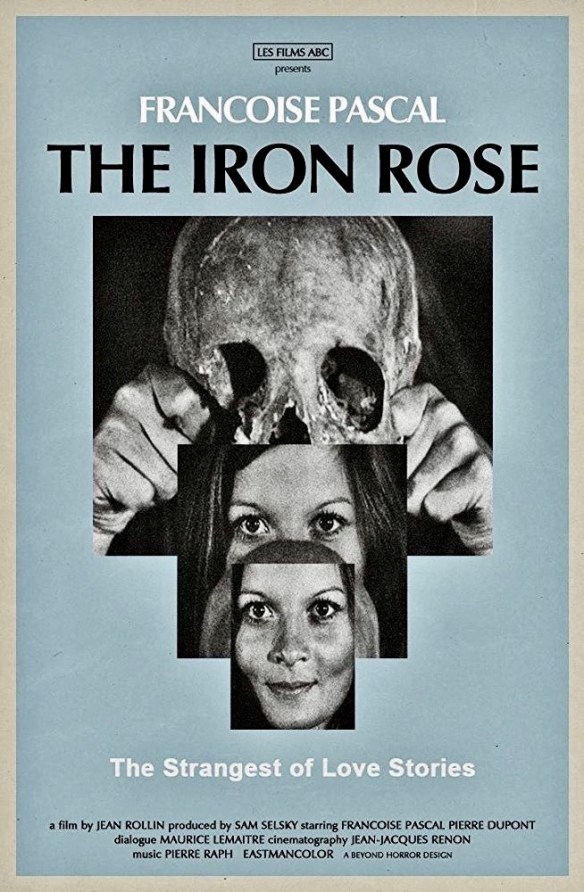
Often relegated to the ranks of sexploitation filmmakers, French director Jean Rollin has enjoyed a critical reassessment in recent years that he never experienced during his prolific filmmaking years in France, where he was mostly dismissed by the country’s leading critics. Many of his films utilized horror film conventions (graveyards, vampires, zombies) as well as exploitation tactics (gore and nudity) but combined them in a way that were uniquely his own. The Iron Rose (1973, aka La rose de fer), however, was a complete departure from Rollin’s previous efforts and was unlike anything he would ever attempt again. Closer in form to an experimental film than something that would fit comfortably into the horror genre, the movie is a macabre mood piece with poetic touches that recalls the films of Jean Cocteau and Georges Franju. Continue reading