
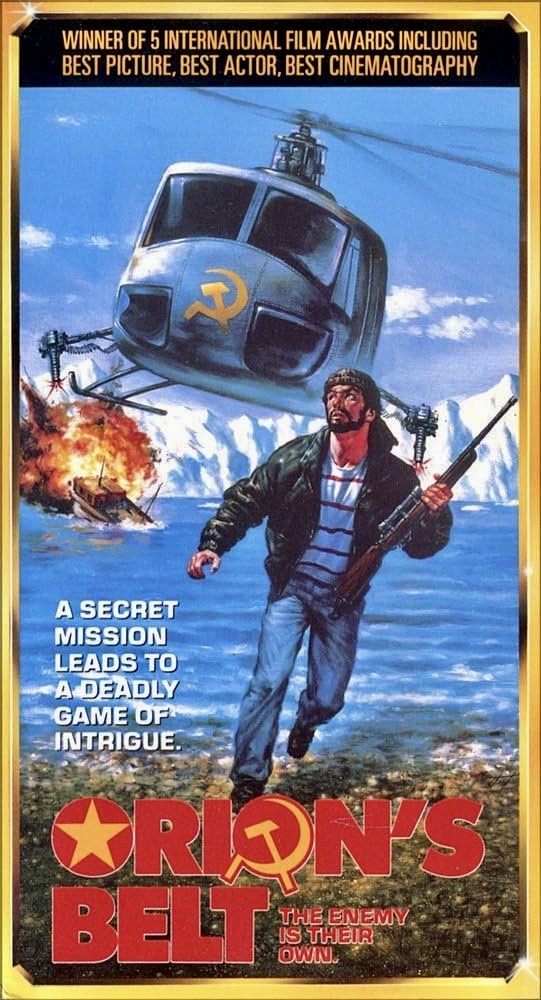
Showdown in the Arctic Ocean

Quick, name your favorite movie from Norway. If nothing immediate comes to mind it is because very few Norwegian films get imported to the U.S. and the few that do are usually art house fare that play to niche audiences in the major cities. Regardless of that, Norway has had a thriving film industry for years and a few filmmakers have developed international reputations such as Morten Tyldum, who was Oscar nominated for Best Director for The Imitation Game (2014) starring Benedict Cumberbatch as the British mathematical genius Alan Turing, and Joachim Trier, whose 2021 movie The Worst Person in the World received Academy Award nominations for Best International Feature Film and Best Original Screenplay. One of the few exceptions to the above is Orions Belte (English title: Orion’s Belt, 1985), which is considered Norway’s first contemporary action thriller and the biggest box office success in its own country for years. It also won critical acclaim and garnered numerous industry awards in Norway even though Orion’s Belt is essentially a B-movie thriller. Still, the lean, stripped-down narrative, based on Jon Michelet’s 1977 novel (the screenplay is by Richard Harris), and Hollywood-style production values transformed this audience-pleasing genre exercise into something much more intriguing and thought-provoking.

Continue reading
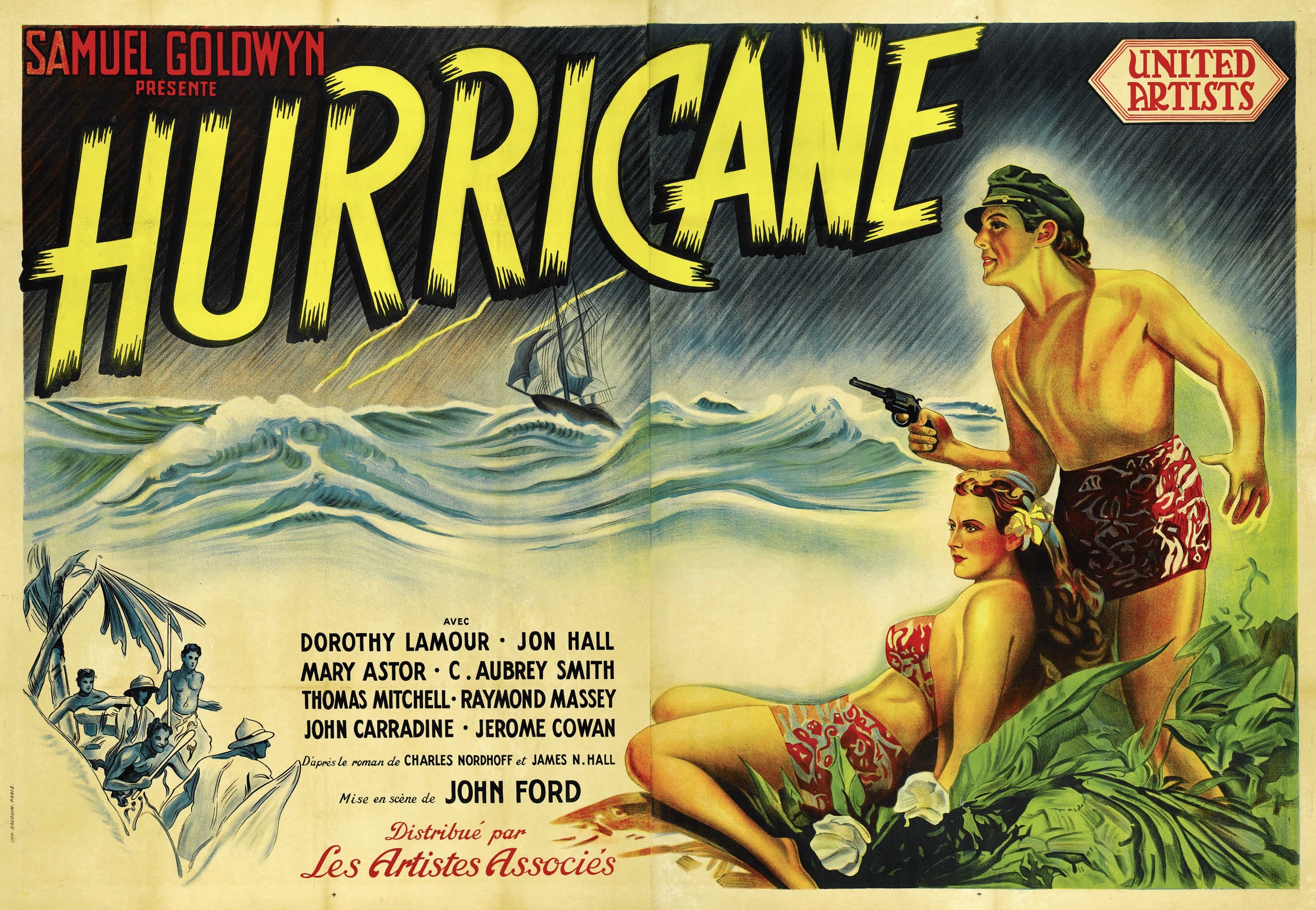
What’s Worse Than a Typhoon?

The 1970s may have been the era of the disaster film with such box office hits as Airport (1970), The Poseidon Adventure (1972), The Towering Inferno (1974) and Earthquake (1974) but the genre has been popular since the silent era when Noah’s Ark (1928) first awed moviegoers with its spectacular flood sequence. Certainly the most famous disaster film of the early sound era is San Francisco (1936) with its spectacular earthquake scenes but even more ambitious and almost overlooked today is The Hurricane (1937), directed by John Ford. While not on a level with the director’s later masterworks such as The Grapes of Wrath (1940), How Green Was My Valley (1941) or They Were Expendable (1945), this tale of colonial repression and injustice is set against the exotic background of the South Seas.

Continue reading

My Swedish Education

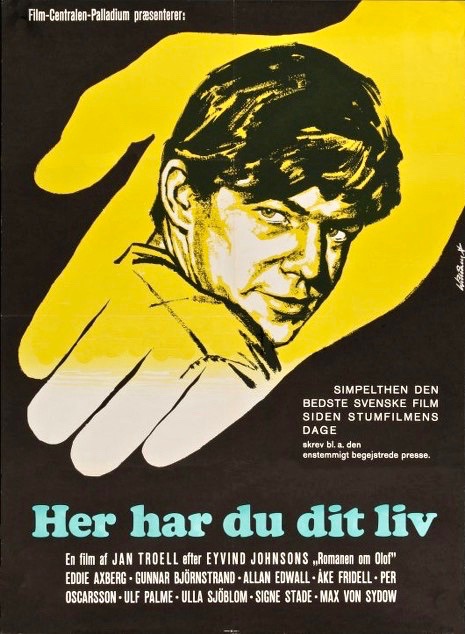
For years I held the opinion that Swedish director Jan Troell and his films were generally overrated by movie critics and scholars until the 2008 Telluride Film Festival where a retrospective of his work proved to me that I had been sadly mistaken. The two films that changed my perspective were the American premiere of Everlasting Moments (original title: Maria Larssons eviga ogonblick, 2008), a turn-of-the-century drama about a working class mother who becomes a professional photographer, and Here’s Your Life (original title: Har har du ditt liv, 1966), which marked his feature film debut. The latter film, in particular, was a revelation and remains one of my all-time favorite movies.  Continue reading