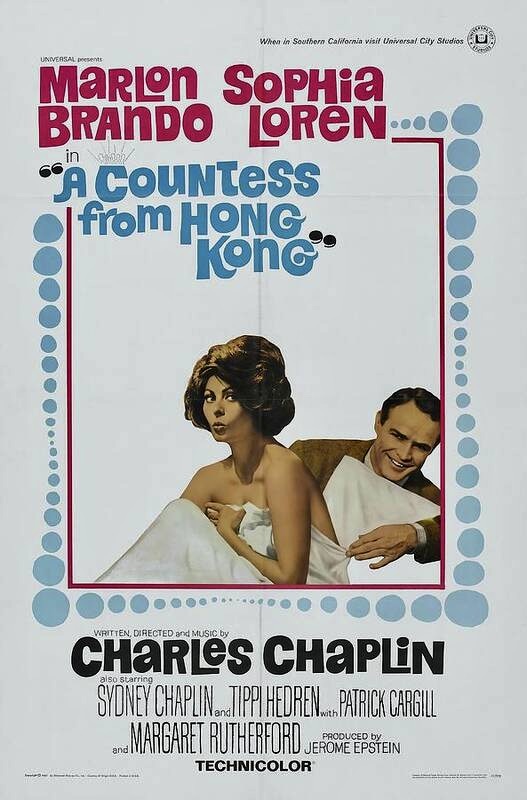
In Their Own Words: Actors on Film Flops and Disappointments

Nobody sets out to make a bad movie. Why would they? Not only is it a colossal waste of money but it will remain on the permanent record of everyone associated with it. Still, there are factors that no one can control and sometimes an actor makes a movie with the best intentions that the critics hate, audiences avoid like the plague or conflicts during production doom it to failure.  Here are 15 well documented examples including Marlon Brando (A Countess from Hong Kong), Shelley Winters (Knickerbocker Holiday), Richard Widmark (Slattery’s Hurricane), Beverly Garland (Swamp Women and Stark Fear), Bruce Dern (The Incredible 2-Headed Transplant), Ava Gardner (The Bible…In the Beginning), Christopher Plummer (The Royal Hunt of the Sun), Ida Lupino (The Hard Way), Tony Curtis (Son of Ali Baba), Sally Kellerman (Reform School Girl), Ernest Borgnine (The Devil’s Rain), Raquel Welch (Myra Breckinridge), Warren Oates (Chandler), Joan Shawlee (Prehistoric Women) and Vincent Price (Green Hell).

Continue reading
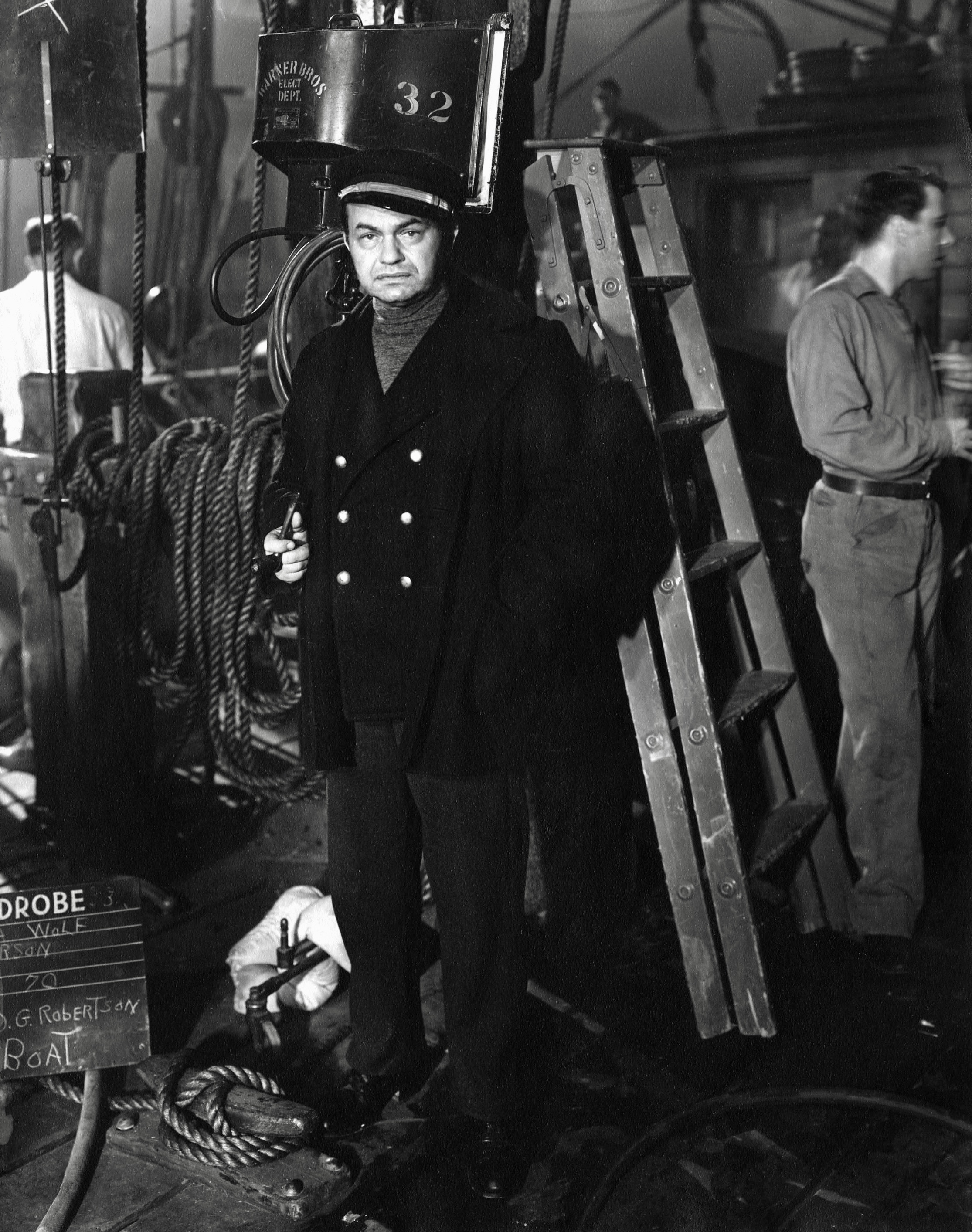
Edward G. Robinson is Wolf Larsen

Edward G. Robinson on the set of THE SEA WOLF (1941), in which he plays the maniacal captain Wolf Larsen from the Jack London novel.

Among the many tales about ill-fated ocean voyages, obsessive and tyrannical sea captains are usually at the root of the trouble. Some of the more memorable ones include Captain Ahab in Moby Dick, Captain Bligh in Mutiny on the Bounty, and Captain Queeg in The Caine Mutiny. But none of these misguided authority figures can match the sadism and brutality of Wolf Larsen, the megalomaniac captain of Jack London’s novel, The Sea Wolf, who was famously portrayed by Edward G. Robinson in a 1941 Warner Bros. production directed by Michael Curtiz.

Continue reading

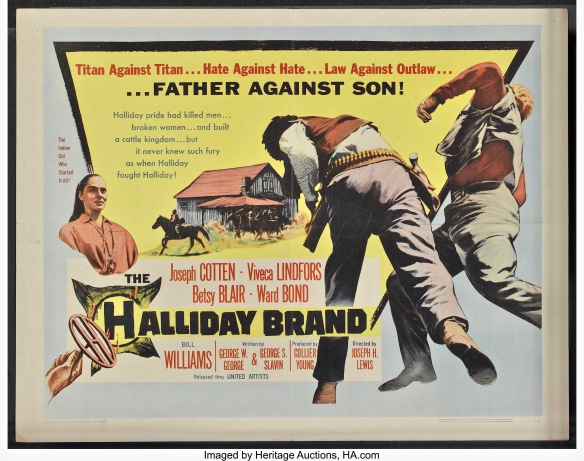
A Western Greek Tragedy

By the 1950s, the popularity of the Western genre was in decline and Hollywood studios tried to revitalize the once box office proof formula by trying everything from Technicolor and Cinemascope visual enhancements to hybrid novelties such as 1954’s Red Garters (a musical with stylized sets) and 1959’s Curse of the Undead (featuring a vampire gunslinger) to topical approaches that reflected a growing interest in psychology such as The Furies [1950] and High Noon [1952]. Into the latter category falls The Halliday Brand [1957], one of the more intense but least well known of the adult Westerns being produced in that era.  Continue reading