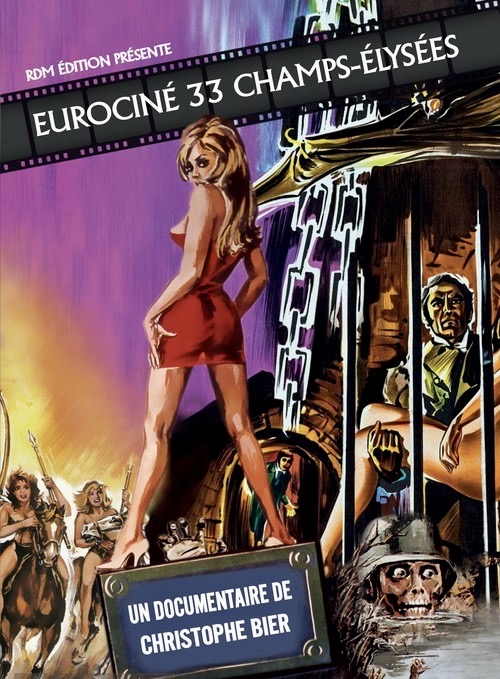
Exploitation films in every imaginable genre from the late fifties to the mid-eighties attracted a specific kind of viewer that enabled U.S. companies like American International Pictures (AIP) and Crown International Pictures to become profitable enterprises through drive-in and grindhouse saturation and later the VHS market. By spicing up their low-budget productions with more sex, violence and subject matter Hollywood avoided, these minor players provided a wildly diverse alternative to mainstream commercial cinema but it wasn’t unique to America alone. Europe also got into the act and the French company Eurocine went from obscurity to cult status for some of its more infamous hits like The Awful Dr. Orlof (1962), Red Hot Zorro (1972), White Cannibal Queen (1980) and Zombie Lake (1982). A behind-the-scenes look at the company’s history and Marius Lesoeur, the man who made it an international brand, is the focus of Eurocine 33 Champs-Elysees (2013), an entertaining and often amusing French documentary which is named after the company’s address in Paris.
Continue readingTag Archives: Howard Vernon
Resistance Begins at Home
In 1940 after France had fallen to the German army, journalist Jean Bruller and his wife, who lived outside Paris, were forced to share their home with a Nazi officer for an extended period of time. That experience inspired Bruller to write the novella Le Silence de la Mer (The Silence of the Sea) under the pseudonym Vercors. The book was secretly published in late 1941 and became known as “the first underground book of the occupation.” It also became an inspiration to the French Resistance in its depiction of using silence as a weapon against the enemy when no other option was possible. It might seem like an unusual choice for French director Jean-Pierre Melville’s feature film debut when you consider that he is mostly famous for his crime and gangster thrillers like Bob le Flambeur (1956), Le Deuxieme Souffle (aka Second Wind, 1966) and Le Samourai (1967). Then again, many consider Melville’s 1969 WW2 drama L’armee des Ombres (aka Army of Shadows) about French underground fighters in Nazi-occupied Paris his masterpiece. Add to this the fact that Melville was also an active member of the French Resistance and The Silence of the Sea makes perfect sense as his feature debut.
Continue readingThe Unknown Man of Shandigor

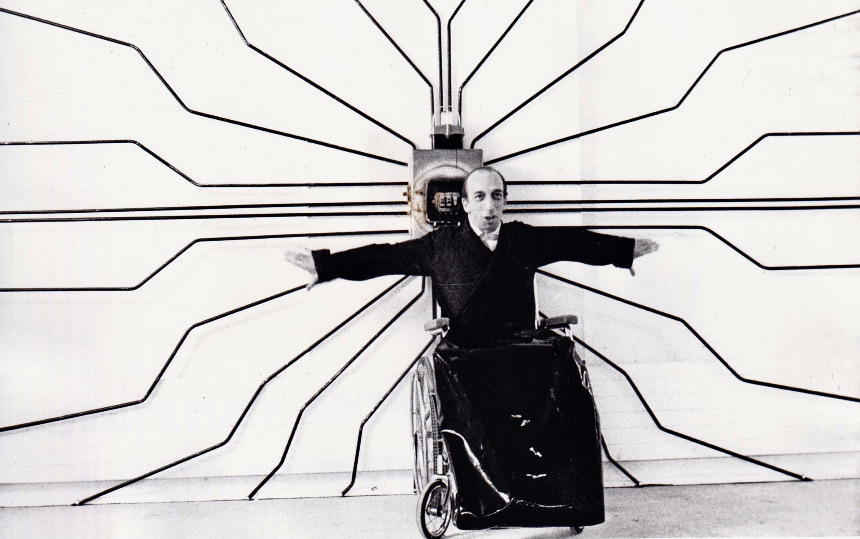
Swiss filmmaker Jean-Louis Roy only made two feature films and two made-for-TV movies during his lifetime but, on the basis of his debut feature L’inconnu de Shandigor (English title: The Unknown Man of Shandigor, 1967), he should be famous among cinephiles. The reason you probably haven’t heard of him is because The Unknown Man of Shandigor vanished after its premiere at Cannes in 1967 and never received a theatrical release in the U.S. Only in the past few years has the film resurfaced as a DVD-R from Sinister Cinema and most of those who have seen it have been delighted and amazed by this pop-art curio from the sixties.
Continue reading