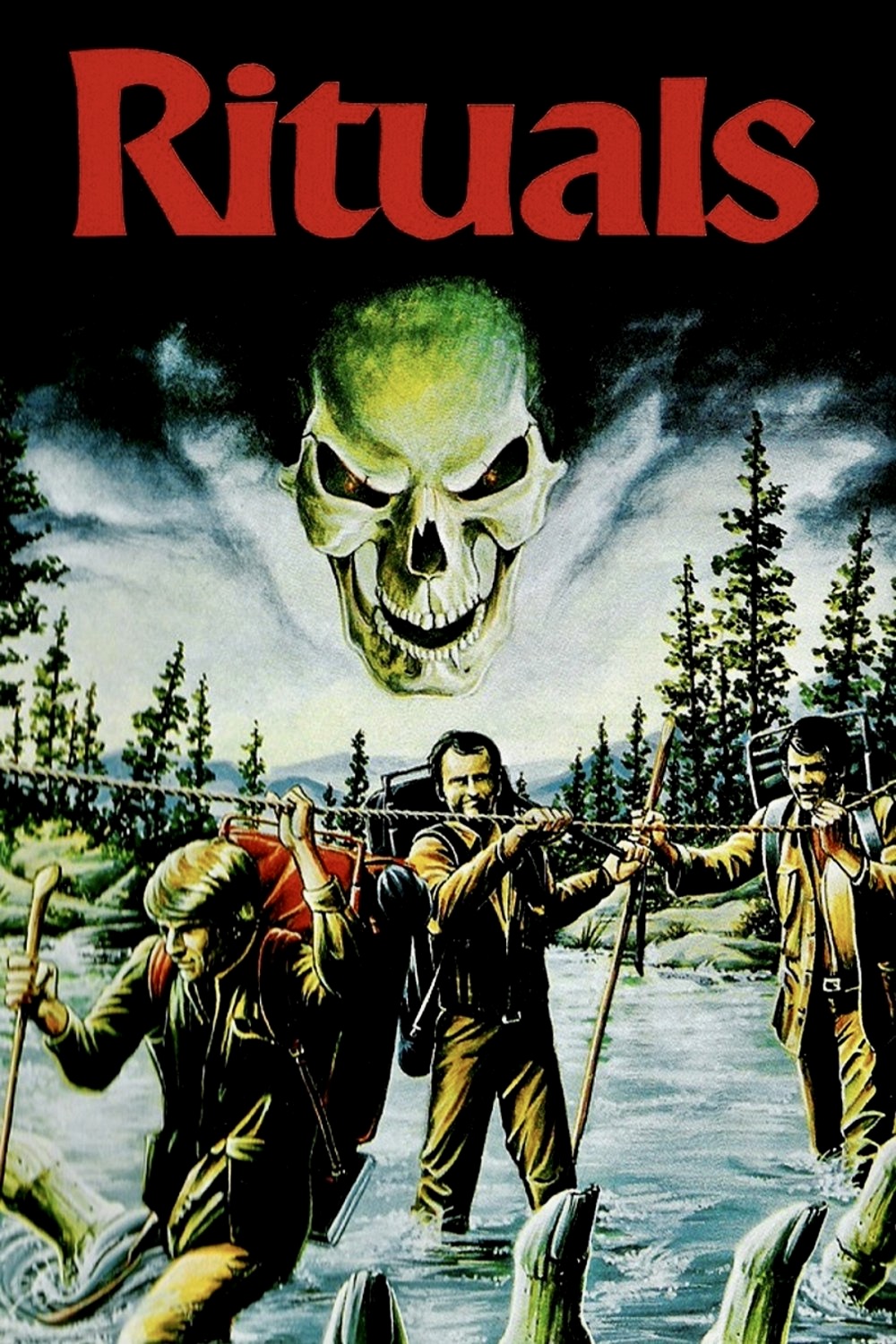
When the film version of James Dickey’s 1970 novel Deliverance, directed by John Boorman, first appeared in 1972, it was perceived as a new kind of survival tale, one in which suburban men were confronted with the primeval forces of nature and completely traumatized by the experience. While it was mostly a character-driven adventure story, it had nightmarish elements that could easily classify it as a horror film yet it had a much broader appeal than a niche genre item. Nevertheless, some filmmakers took Dickey’s basic premise of some city folks venturing into unknown rural territory and turned it into a horror film template. Some of the more infamous titles are Wes Craven’s cult favorite The Hills Have Eyes (1977), Mother’s Day (1980), a sick black comedy from Troma Entertainment, Just Before Dawn (1981), directed by Jeff Lieberman (Squirm, Blue Sunshine) and The Final Terror (1983) featuring Daryl Hannah and Rachel Ward in early roles. My favorite though is the lesser known 1977 Canadian film Rituals (aka The Creeper), which comes close to generating the kind of white-knuckle tension that defined Deliverance while adding a number of gruesome horror tropes that make it consistently creepy and harrowing.
Continue readingTag Archives: horror films
The Rotten Are Coming for You!
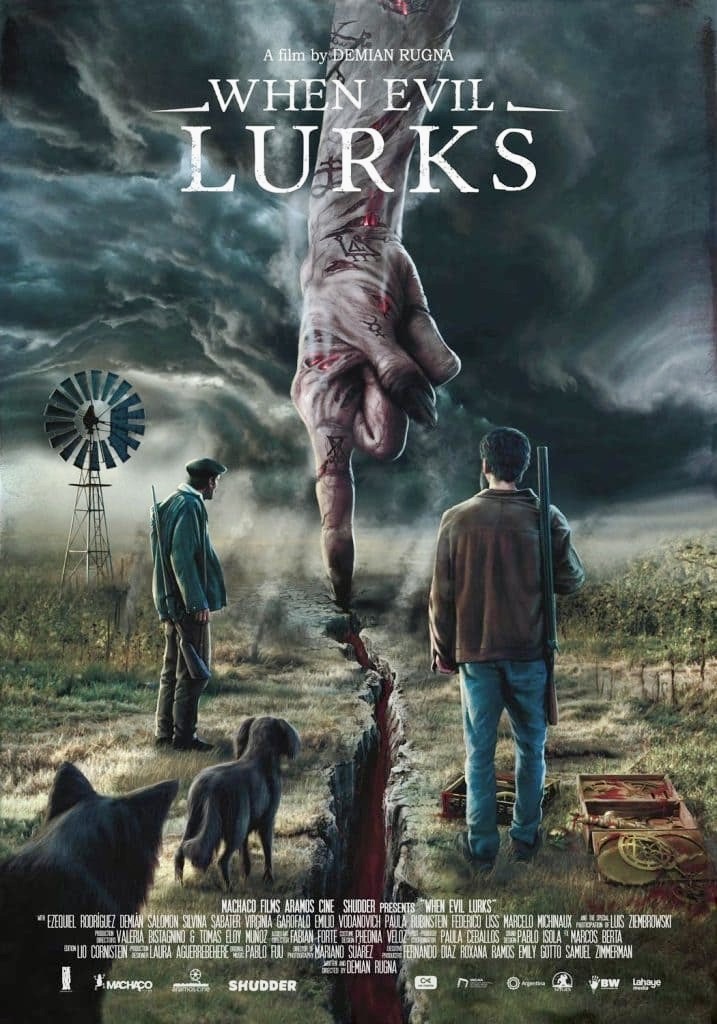
For my annual Halloween horror pick, I am highlighting a contemporary film, one that is currently playing in theaters, and not a horror classic from the past. Cuando Acecha la Maldad (U.S. title, When Evil Lurks, 2023) is the sixth feature film for Argentine director Demian Rugna, which includes his 2011 movie Malditos Sean! (U.S. title, Cursed Bastards), co-written and directed with Fabian Forte. This is a movie about demonic possession but it has little in common with the most famous film in that horror subgenre, The Exorcist (1973), with one exception: we never learn how or why the evil entity goes about choosing the victim that launches the ensuring madness. The nightmare starts with a bang – literally – as two farmer brothers Pedro (Ezequiel Rodriguez) and Jimi (Demian Salomon) hear gunshots on their neighbor’s property. When they investigate the following day, they discover that a member of their neighbor’s family is a “rotten,” a possessed being, and no one knows how to deal with it. When the brothers ask wealthy landowner Ruiz (Luis Ziembrowski) and his pregnant wife for help, they inadvertently set in motion a series of actions that not only release the evil spirit but help it spread like a virus.
Continue readingNot a Beauty Treatment
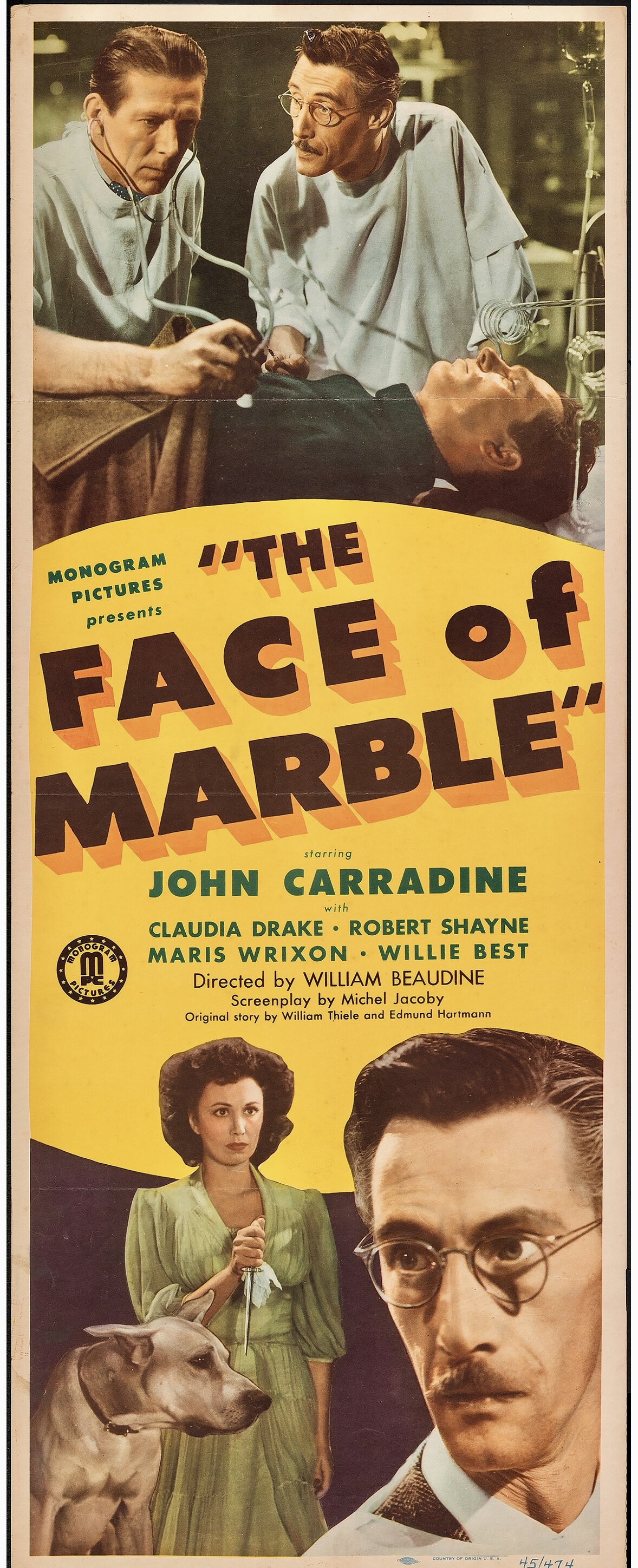
It’s not likely that a Poverty Row horror film like The Face of Marble (1946) will ever end up on anyone’s top ten list – unless the category is guilty pleasures – but that’s what distinguishes a movie like this from a title on the AFI approved list of great American classics. A cult movie rarely conforms to conventional standards of what’s good and what’s bad and that’s why The Face of Marble could be a more entertaining and challenging viewing experience than say, Ingmar Bergman’s Winter Light (1963). For one thing, you need a scorecard to keep track of the anything-goes-plot which ties together failed scientific experiments, reanimated corpses, a blood-drinking ghost dog that can walk through walls, a voodoo-practicing housekeeper and one woman’s hopeless, unrequited romantic obsession with her husband’s young assistant.
Continue readingLittle Demons
“We Want You Sally….We Want You….Come to Us!”
For those who first saw Don’t Be Afraid of the Dark at a young impressionable age when it originally aired on ABC in 1973, those maniacal, whispering voices of the little demons have probably stayed with you and so has this creepy little made-for-TV movie that has one of the more memorable endings of any haunted house genre picture.
Continue readingBe Careful What You Wish For
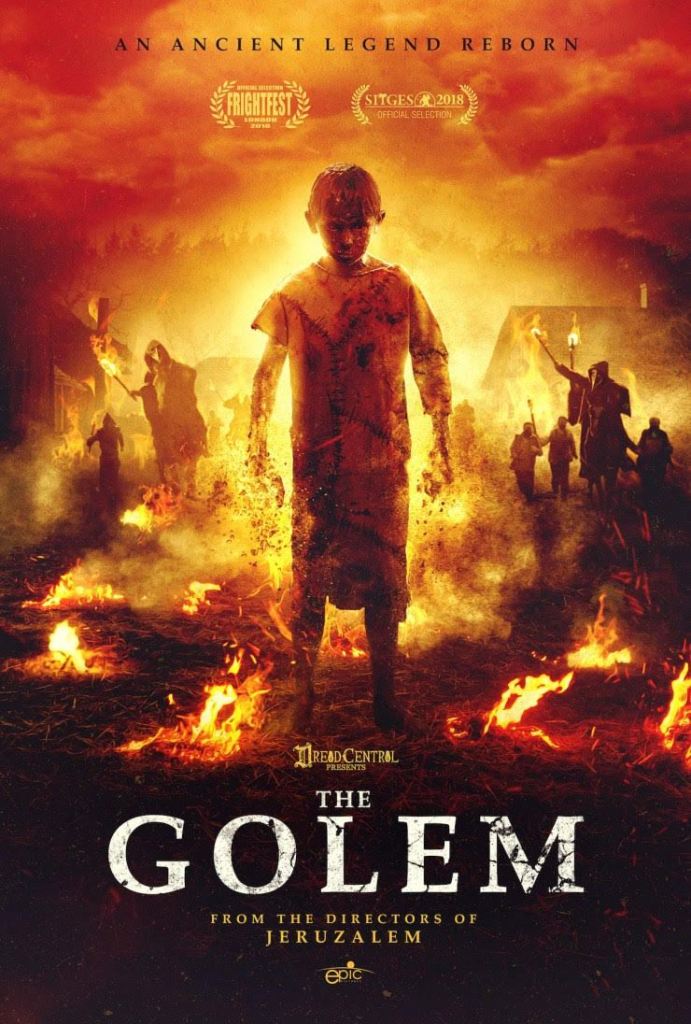
Horror films based on Jewish folklore and Talmudic literature are not that commonplace but one of the early classics of silent cinema was based on a 16th century tale of a rabbi, Judah Low ben Bezulel, who brought a hulking clay figure to life to protect the Jewish community from anti-Semitic forces. German director/actor Paul Wegener was so taken with the legend that he made three films based on it, a 1915 version, which only exists in fragments, a 1917 parody entitled The Golem and the Dancing Girl (now considered a lost film) and the 1920 version, which is the most famous. There were other remakes in later years, including Julien Duvivier’s 1936 sound version, but a new variation on the menacing title creature from the Israeli filmmaking team of Doron Paz and his brother Yoav, takes a decidedly different approach to the famous legend, courtesy of Ariel Cohen’s screenplay. Continue reading