
Many countries are well known for their film industry but Australia was not one of them until the early 1970s due to the efforts of prime ministers John Gorton (1968-1972) and Gough Whitlam (1972-1975) who instituted various forms of government support for filmmaking and the arts. Thanks to their encouragement, a number of talented directors emerged from Australia and went on to enjoy international careers with such diverse work as Picnic at Hanging Rock (Dir: Peter Weir, 1975), The Chant of Jimmie Blacksmith (Dir: Fred Schepisi, 1976), My Brilliant Career (Dir: Gillian Armstrong 1979) and Breaker Morant (Bruce Beresford, 1980). This creative movement, known as the Australian New Wave, was often focused on the country’s past and often resulted in critically acclaimed art house fare but not really box office hits in its own country. What is interesting is that the seventies also saw the rise of many Aussie filmmakers who specialized in genre fare and it was their work that generated large revenue streams at home and around the world, especially in the U.S.
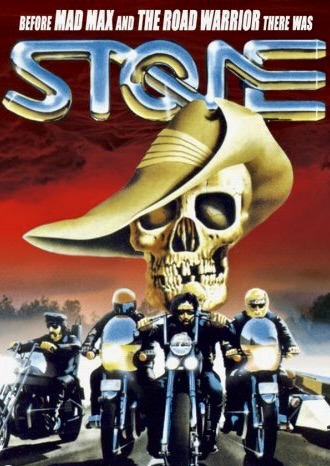
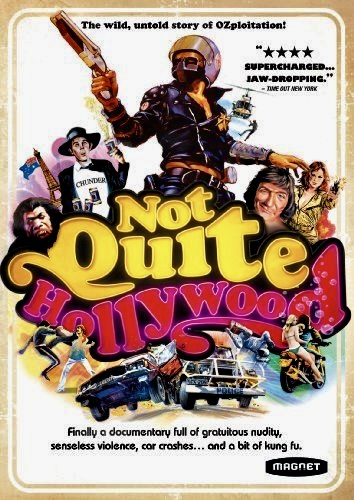
The most successful of these commercial films tended to be sex comedies, horror/fantasy or action/adventure thrillers and were much more representative of contemporary Australian culture than award-winning historical chronicles like Philip Noyes’s Newsfront (1978). It was also the over-the-top quality and extreme nature of these B-movies that earned the moniker of Ozploitation and resulted in such classic cult hits as Time Burstall’s Alvin Purple (1973), Sandy Harbutt’s Stone (1974), Richard Franklin’s Patrick (1978), and George Miller’s Mad Max (1979). If you want a crash course in this raucous period in the Aussie film industry which lasted until the late 1980s, Not Quite Hollywood: The Wild, Untold Story of Ozploitation, written and directed by Mark Hartley, is just the ticket to whet your appetite.
Continue reading
 Cinema Sojourns