The Ballad of Hank McCain

John Cassavetes stars in the title role of MACHINE GUN MCCAIN (1969) aka Gli Intoccabili, an Italian crime drama directed by Giuliano Montaldo.

Lean, mean and paranoid, convict Hank McCain (John Cassavetes) is sprung from prison by West Coast mobster Charlie Adamo (Peter Falk) to rob a Las Vegas casino that is owned by an East Coast Mafia boss in the same syndicate. Adamo’s underhanded attempt to muscle in on his fellow gangster’s territory ignites a gangland war between factions with McCain caught in the middle and running for his life after he successfully pulls off a $2 million dollar heist. Along the way, McCain is double-crossed by his own son, hooks up with Irene (Britt Ekland), a bar hostess, is briefly reunited with his former mistress Rosemary (Gena Rowlands) and goes down fighting in a genuine noir finale. Although it didn’t get any respect from the critics or even much notice from film reviewers at the time, Machine Gun McCain (Italian title: Gli Intoccabili, 1968) is a remarkably taut, fast-paced B-movie crime thriller that is as feral and cagey as its title hero. Cassavetes imbues his role with a pent-up intensity that threatens to explode at any moment and often does. It’s one of his best performances and demonstrates why he was more in-demand as an actor in Hollywood instead of a director.

Continue reading
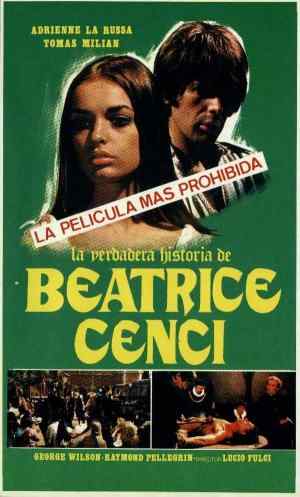
A Different Kind of Horror Film from Lucio Fulci

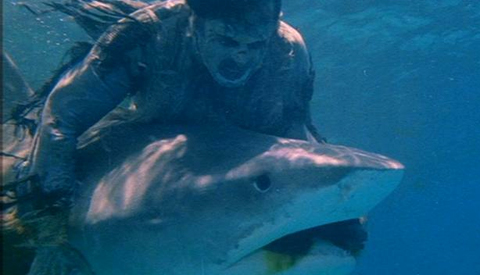
the_conspiracy_of_torture-posterIf Lucio Fulci had only directed the 1979 cult splatterfest Zombie, he would still warrant more than a footnote in any film history of the horror genre. Obviously inspired by the success of George Romero’s Night of the Living Dead and Dawn of the Dead, Fulci’s cult favorite pushed the zombie film into over-the-top excess with the famous eyeball-splinter scene and an underwater grudge match between a shark and one of the undead.

Zombie vs. Shark in Lucio Fulci's outrageous Zombi 2 (1979)

Zombie vs. Shark in Lucio Fulci’s outrageous Zombi 2 (1979)

It also launched a whole new genre in the Italian film industry which included such imitators as Cannibal Apocalypse, Nightmare City and Erotic Nights of the Living Dead (all released in 1980). Fulci went on to further heights (or depths according to his detractors) with such supernatural thriller gross-outs as City of the Living Dead (1980), The Beyond (1981) and The House by the Cemetery (1981). But what most Fulci fans and film buffs tend to overlook is the fact that he was once a director who could occasionally turn out a thought-provoking and artful work of cinema such as his 1969 historical drama, Beatrice Cenci.   Continue reading