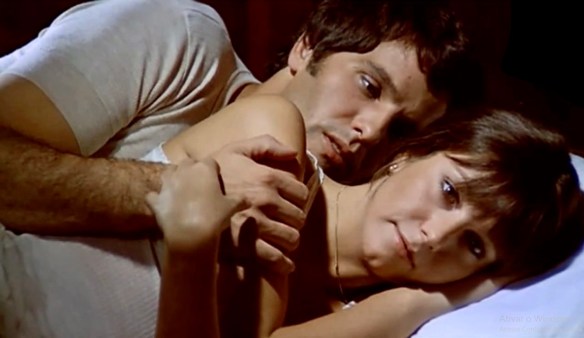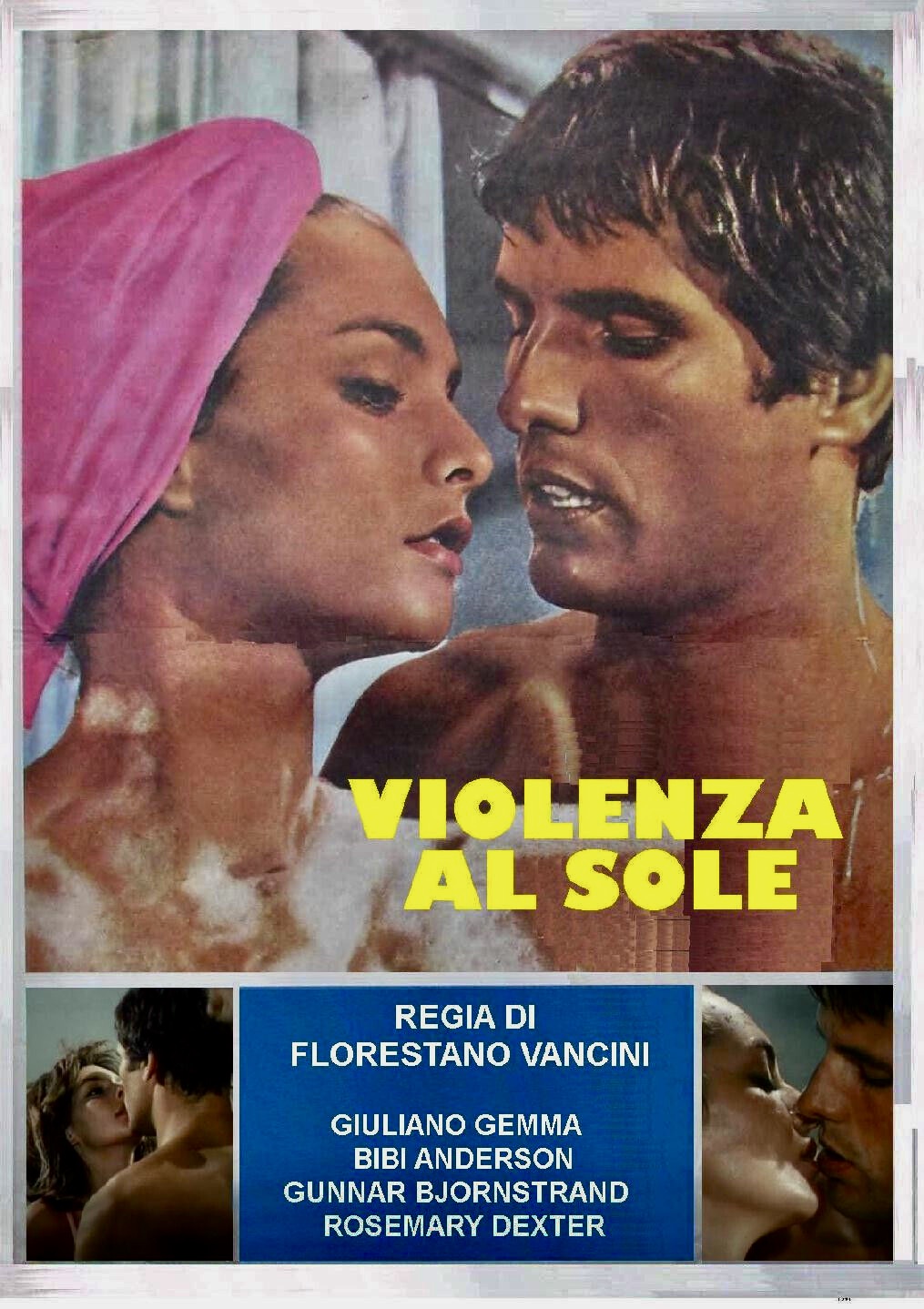
During the peak years of the Italian film industry in the 1960s and 70s, there were numerous films released which never received a theatrical release in the U.S. and are completely unknown to American audiences. Of course, some of these are forgettable but there are several that deserve a second chance at being re-discovered and Violenza al Sole (English title: Violence in the Sun aka Blow Hot, Blow Cold aka Hot Blood in the Veins, 1969), directed by Florestano Vancini, is a prime example. It is also a fascinating anomaly in the careers of the four main actors, Giuliano Gemma, Rosemary Dexter, and two stars who are most often associated with director Ingmar Bergman, Bibi Andersson and Gunnar Bjornstrand.
Continue readingTag Archives: Carlo Rustichelli
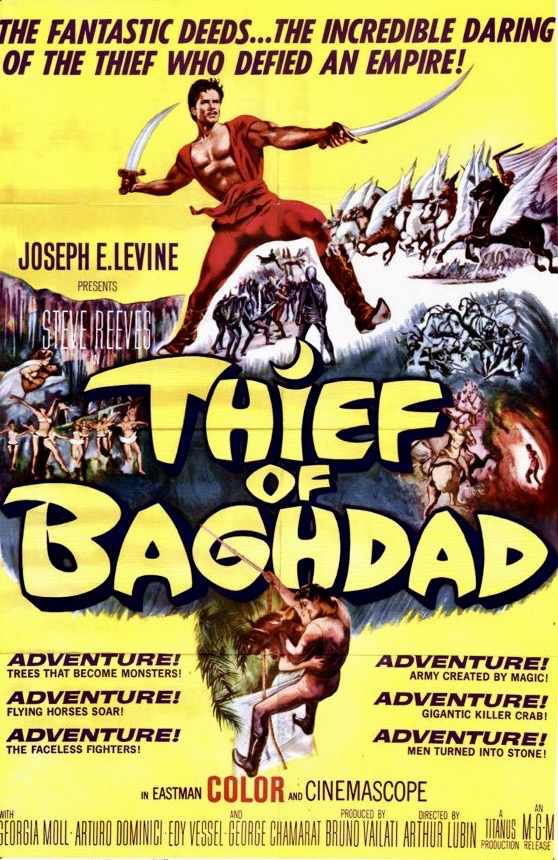
Steve Reeves as The Thief of Baghdad
One Thousand and One Nights also known as the Arabian Nights is a collection of stories from the Middle East and India that can be traced back to the 9th century although the author or authors of the tales are anonymous. What is known is that the stories introduced such famous fictional characters as Sinbad, Aladdin, Ali Baba and others, all of whom have inspired numerous film versions of their exploits. One of my favorite Arabian Nights fables is The Thief of Bagdad but the first movie version I encountered was the 1961 Italian fantasy-adventure Il Ladro di Bagdad (released in an English dubbed version as The Thief of Baghdad in the U.S.) starring Steve Reeves. First seen at a kiddie matinee during its original release, it made a strong impression on me as a ten-year-old, even if it is not the best known, most lavish or critically respected of the many film versions.
Continue readingToxic Love

Giuliano Gemma and Stefania Sandrelli play factory workers in Milan who become lovers in the tragic love story, Delitto D’amore (aka Crime of Love, 1974), directed by Luigi Comencini.
Milan, Italy is world famous as a mecca for high fashion, design and the AC Milan football club but the statistics also reveal that it is still one of Europe’s most polluted cities due to smoke spewing factories and auto emissions. Against this gray, industrial backdrop, Luigi Comencini has set his rarely seen but moving 1974 drama, Delitto D’amore (aka Crime of Love). Continue reading
Vintage Peplum
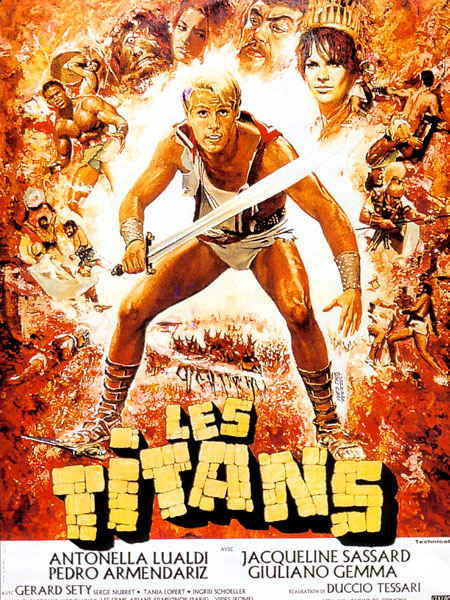
Remember the Italian sword and sandal films (known as peplum in their native land) that enjoyed a brief period of popularity in the U.S. from around 1958 to 1964? There was never any question about the appeal. What’s not to like about muscle-bound super heroes, beautiful, curvaceous slave girls, princesses and evil queens, despicable, hiss-worthy villains, amazing feats of strength, epic battle scenes, exotic dance sequences, bizarre tortures and stylized sadism, picturesque locations, atmospheric set design, and disaster film calamities (earthquakes, volcanoes, storms)? Continue reading
Ernesto Gastaldi’s Seminal Giallo
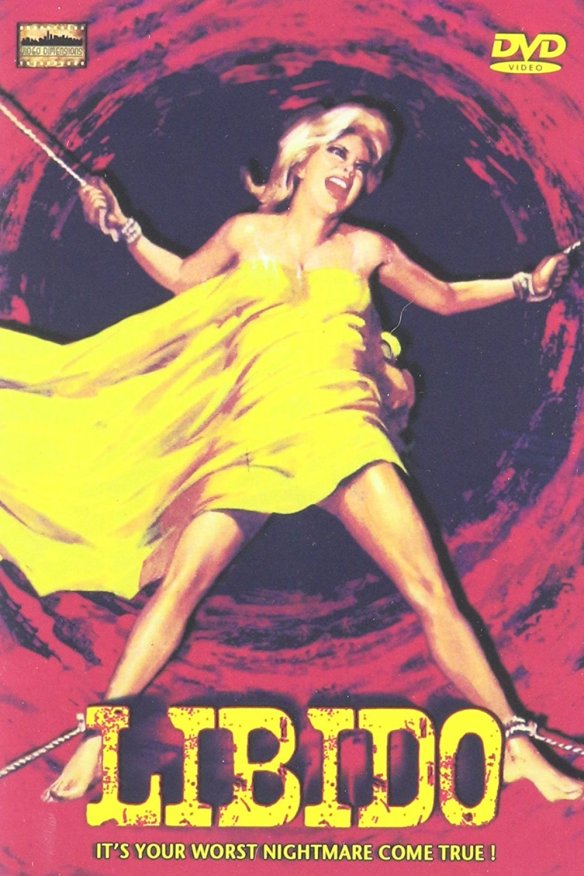
With a tumultuous background of waves crashing against a rocky coast, a descriptive statement from Sigmund Freud on the meaning of libido scrolls down the screen. Part of the Austrian psychoanalyst’s quotation defines libido as “the energy, regarded as a quantitative magnitude… of those instincts which have to do with all that may be comprised under the word ‘love.’” But the film that follows is not about love but rather the perversion of it starting with an opening sequence in which a child witnesses the aftermath of his father’s violent S&M session with a female companion, an incident that scars him for life. Continue reading
Every Man for Himself
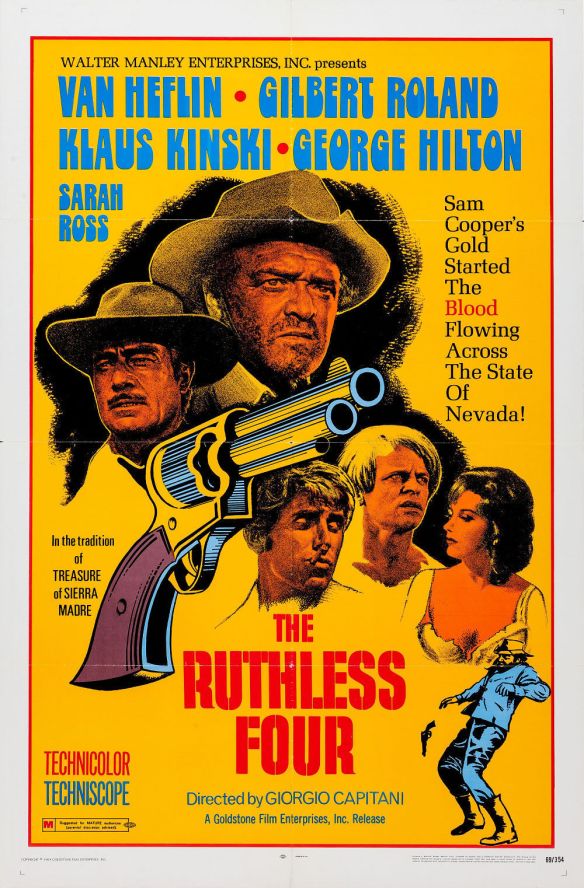
Often overlooked in the Spaghetti Western hall of fame, The Ruthless Four (1968) is a riveting, well-crafted tale of a ill-fated search for hidden gold that bears some thematic similarities to The Treasure of the Sierra Madre. While it is not quite in the same league as John Huston’s 1948 classic, the cast alone should still pique the interest of any film buff starting with the top-billed Van Heflin and Gilbert Roland, two Hollywood legends with some classic Westerns to their credit; Heflin with Shane (1953) and 3:10 to Yuma (1957) and Roland with his series of “Cisco Kid” oaters that began with The Gay Cavalier in 1946. The curiosity factor is also undeniable with the eclectic casting of Uruguay-born actor George Hilton, a veteran of countless giallos and Euro-westerns, and the inimitable Klaus Kinski, who has a substantial role here unlike many of his genre efforts where his appearance is often little more than a cameo or brief walk-on. Continue reading