The Vampire Moth

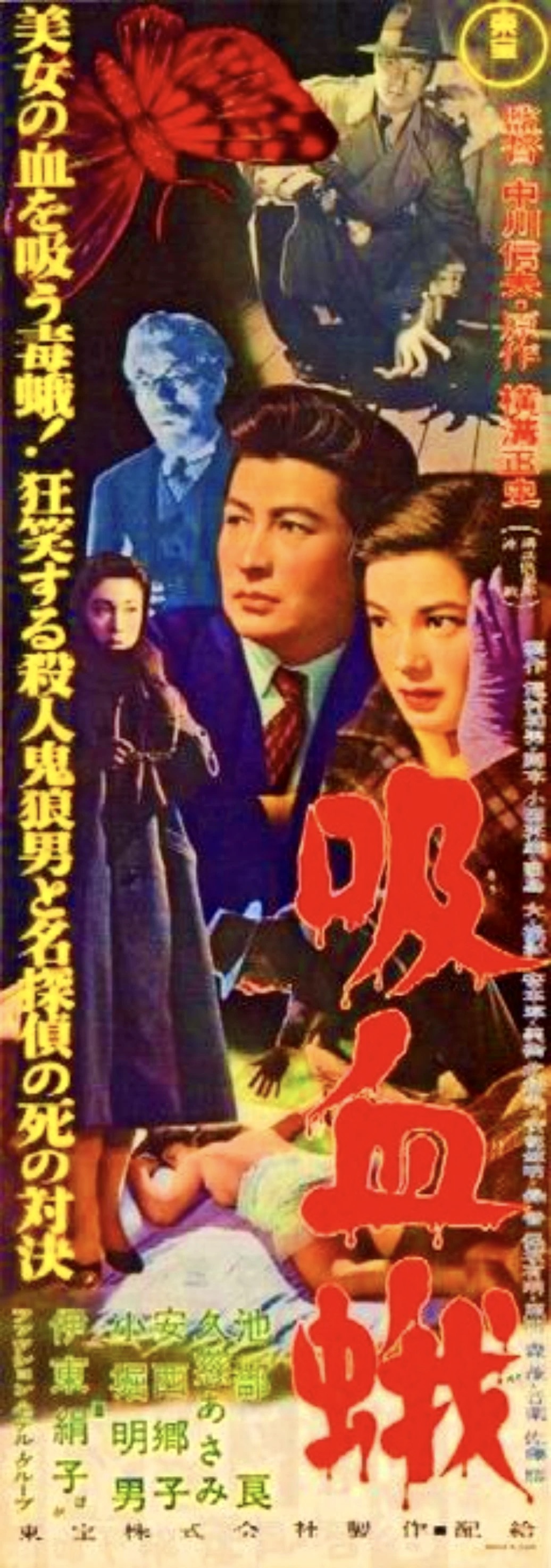
The Japanese film poster for Kyuketsu-ga (English title: THE VAMPIRE MOTH, 1956).

There are a number of classic Japanese horror/fantasy films from the fifties and sixties that genre fans in the U.S. have read about but never seen due to their unavailability on DVD or Blu-ray. In recent years a few of these have appeared in domestic release versions such as Nobuo Nakagawa’s 1960 allegorical masterpiece Jigoku (released by The Criterion Collection), in which a hit-and-run driver literally goes to hell, and the director’s 1968 supernatural tale Snake Woman’s Curse (released by Synapse Films). Many of the most famous examples of Japanese fantasy/horror from this period, however, still remain elusive for American viewers unless you own an all-region DVD/Blu-ray player and are willing to purchase import discs from Japan, often with no English subtitles. It is also true that many of these classic genre efforts were directed by Nakagawa who is famous for supernatural chillers as The Ghosts of Kasane Swamp (1957), Black Cat Mansion (1958), and The Ghost of Yotsuya (1959). But I have to admit that one of the director’s creepiest and least seen films is Kyuketsu-ga (English title: The Vampire Moth, 1956), which combines mystery thriller tropes with grotesque horror elements to achieve a delightfully macabre brew.
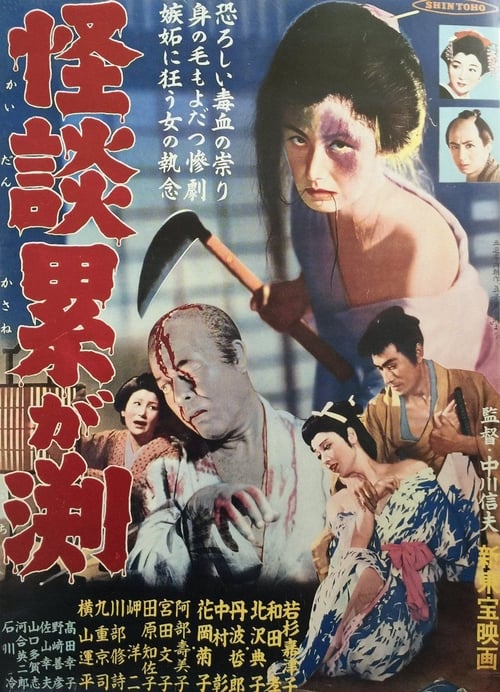
The Japanese poster for Kaidan Kasane-ga-fuchi (English title: THE GHOSTS OF KASANE SWAMP aka THE DEPTHS, 1957).
Continue reading

John Frankenheimer’s Service Comedy

I’m a big admirer of John Frankenheimer’s early work from such live TV dramas as The Comedian (1956) and Days of Wine and Roses (1957) to his peak achievements of the sixties: All Fall Down (1962), Birdman of Alcatraz (1962), The Manchurian Candidate (1962) and Seconds (1966). I’ve also enjoyed several of the more commercial projects he helmed throughout his career such as Seven Days in May (1964), Black Sunday (1977) and Ronin (1998). Unfortunately, his reputation has suffered over the years due to several box office bombs and critically maligned movies – The Horsemen (1971), Story of a Love Story aka Impossible Object (1973), 99 and 44/100% Dead (1974), Prophecy (1979), Dead Bang (1989), and especially The Island of Dr. Moreau (1996), which had a highly publicized and chaotic production history.  Yet the most notoriously panned film of his career is easily The Extraordinary Seaman (1969) and in Frankenheimer’s own words, “It was the only movie I’ve made which I would say was a total disaster.”  So, I finally decided to see for myself if the movie lives up to its notoriety.

Continue reading

How to Wreck a Hollywood Soiree

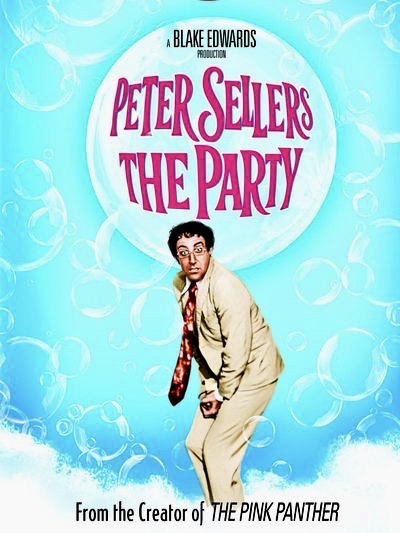
You don’t have to go back that many years to compile a long list of Hollywood films in which white actors are cast as Native Americans, Asians, Hispanics, African Americans, Pacific islanders, Arabs, etc. In fact, this controversial practice continues into the 21st century with such conspicuous portrayals like Jake Gyllenhaal as an Afghan orphan in Prince of Persia: The Sands of Time (2010) and Johnny Depp as Tonto in The Lone Ranger (2013). If you were creating a top ten hall of shame, however, it’s a good bet that Blake Edwards’ The Party (1968) starring Peter Sellers in brownface makeup as Indian film star Hrundi V. Bakshi would be near the top of the list. Yet, the film is considered by many film critics and movie lovers as one of Edwards’ best comedies and has a cult following that has nothing to do with racial stereotypes. It is also considered a radical departure from other comedies of that time for its improvised, almost experimental approach to the genre.  

Continue reading