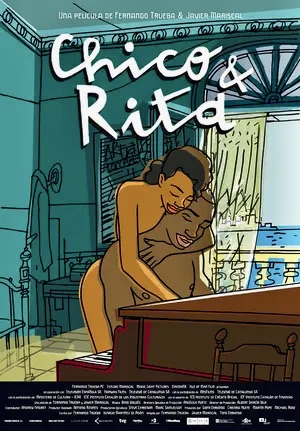
One of the best kept secrets about the Telluride Film Festival is what happens AFTER the event. The town residents are treated to a 6 to 8 film sampler with two different screenings at the Palm Theatre each night (check with the Chamber of Commerce to confirm date and venue). The selection is purely random and usually based on which films don’t have to be shipped out immediately to the next film festival such as Toronto or New York. But if you’re a hard core film fanatic, you can hardly go wrong. The price is affordable – tickets are usually discounted and lodging rates in Telluride drop down to almost half the cost of what they were doing the film festival. The year I attended the mini-post festival in 2010, the featured films were the animated musical drama Chico & Rita (preceded by Jeff Scher’s short, The Shadow’s Dream), Errol Morris’s bizarre documentary Tabloid (preceded by Bill Plympton’s animated short, The Cow Who Wanted to Be a Hamburger), Denis Villeneuve’s powerful drama Incendies, Poetry, a South Korean drama about an elderly woman facing dementia, The First Grader, a true story dramatization set in Kenya, and Javier Bardem in Biutiful, directed by Alejandro G. Inarritu.
Continue readingTag Archives: Biutiful
Isabel Sarli Bares All

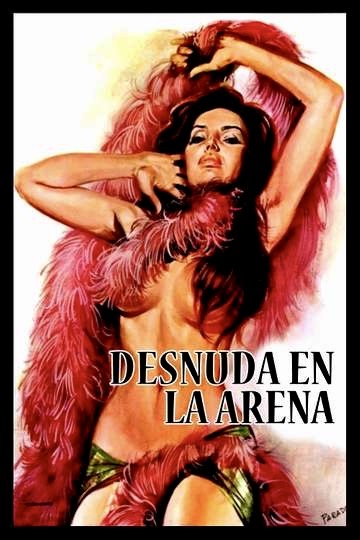
Nude in the Sand sounds like one of those sex-themed cocktails with names like Between the Sheets, Strip and Run Naked and Sex on the Beach that are offered at trendy under 30 bars but no. It is the English language title of Furia Sexual: Desnuda en la Arena (1969), which is also known as Alone on the Beach, and stars Argentinian sexpot Isabel Sarli. If you know the name, it is probably because cult director John Waters is a big admirer of Sarli’s films and has regularly screened Fuego (1969), probably her most infamous and delightfully campy opus, to stunned audiences over the years. Nude in the Sand may not top the delirious highs and lows of Fuego but it is an enjoyably trashy introduction to the voluptuous Sarli for novices as well as a must-see for fans of Fuego.
Continue readingArt Direction by Antonio Gaudi

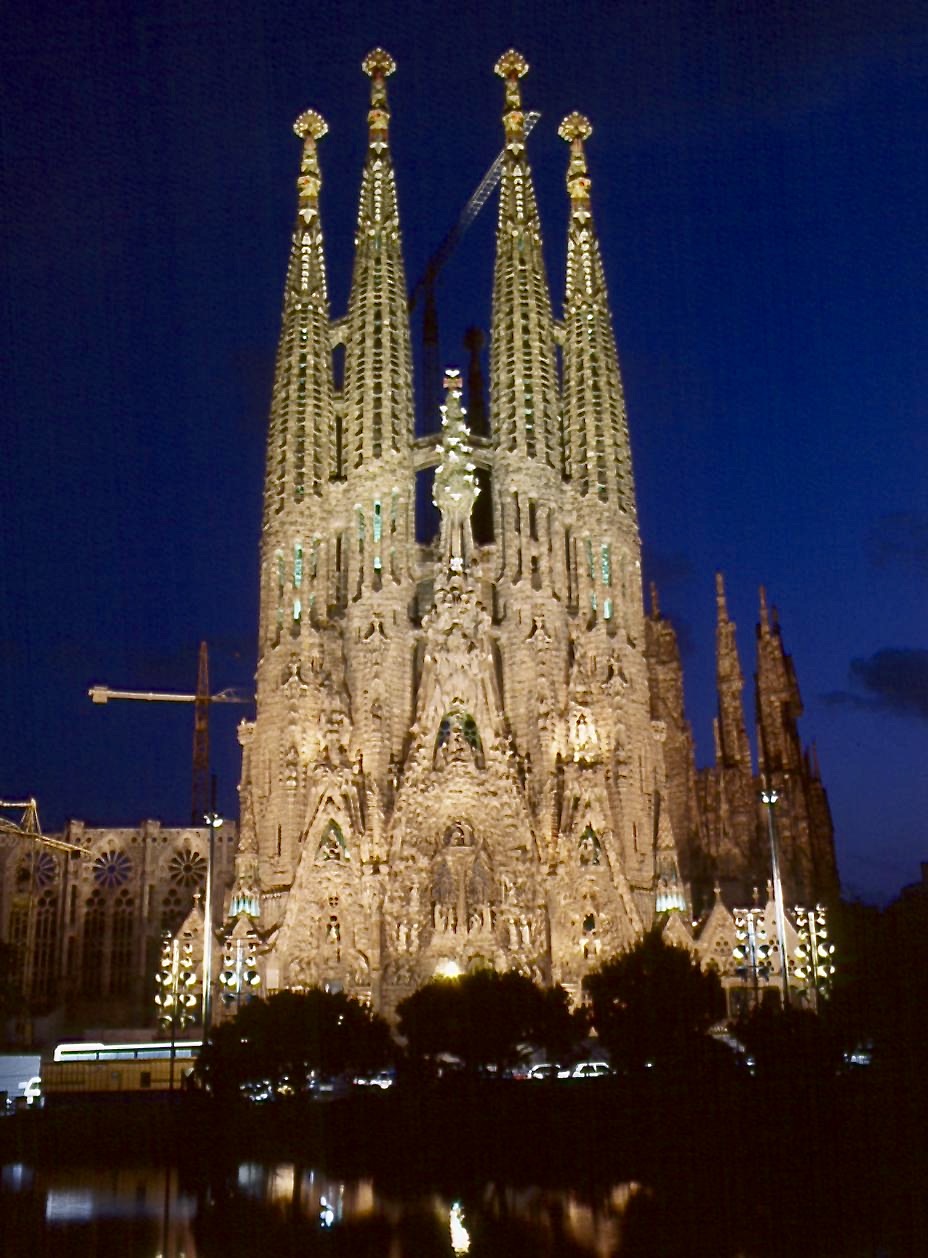
Anyone who has seen a few movies filmed in Barcelona, Spain, has undoubtedly caught a glimpse or maybe even a close-up of one of the architectural wonders created by Antoni (aka Antonio) Gaudi or one of his contemporaries such as Lluis Domenech I Montaner or Josep Puig I Cadafalch in the “Modernisme” movement of 1888-1911. This brief period resulted in awe-inspiring buildings and structures with designs based on organic forms or taken directly from nature – beehives, mushrooms, stalactites – that broke away from conventional design and accented curves and rich ornamentation (broken pieces of colorful ceramic tile worked into wall mosaics). This unique architectural style is an art director’s dream and a natural for the screen, which is why it has been the co-star in countless movies filmed in Barcelona such as Susan Seidelman’s Gaudi Afternoon (2001) and L’Auberge espagnole (2002), in which Gaudi’s still-in-progress La Sagrada Familia (it was started in 1883) is prominently featured.
Continue reading