Human Cargo

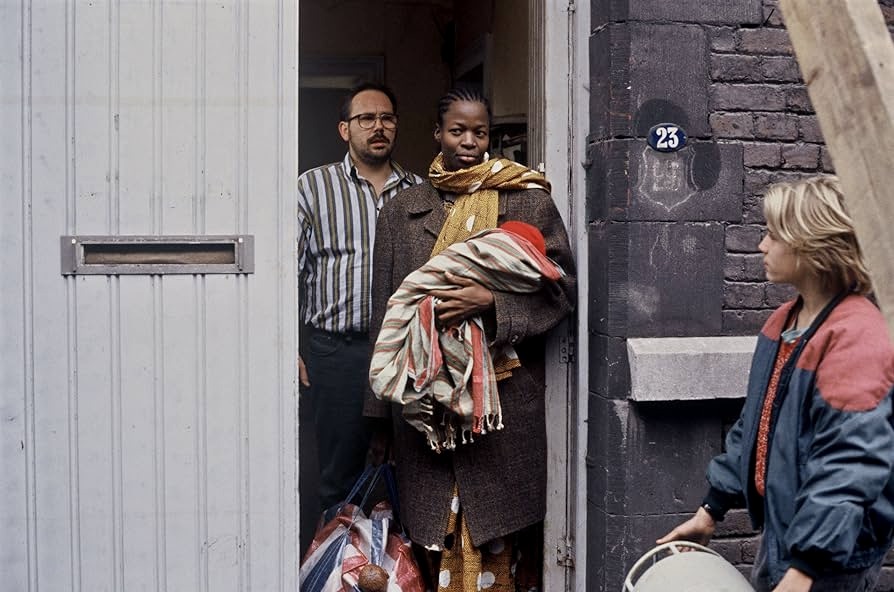
A scene from LA PROMESSE (The Promise, 1996), a Belgium film about an immigrant trafficking business starring Olivier Gourmet (left), Assita Ouedraogo, and Jeremie Renier.

Igor is a fifteen-year old kid who, in some ways, is like most teenagers his age. He likes to have fun hanging out with friends, ride his moped around and work on customizing his go-kart in his spare time. The problem is he doesn’t have much spare time. He works as a mechanic’s apprentice at a gas station but even those hours are cut short by his demanding father Roger, who needs him constantly for jobs involving building renovations, money collection and other activities related to Roger’s exploitation of illegal immigrants. Because of this, Igor has had to grow up fast with his multiple adult responsibilities but he likes the money he makes and the trust his father has placed in him. All of this is about to change when he becomes friendly with Assita, who has arrived with her newborn baby to join her husband, a West African man who does work for Roger. This is the basic set-up for Jean-Pierre and Luc Dardenne’s La Promesse (The Promise), a groundbreaking 1996 film for the brother filmmaking team about the brutal trafficking and mistreatment of undocumented immigrants in Belgium. It also serves as a stark but moving coming-of-age film.

Continue reading
Seeing is Believing

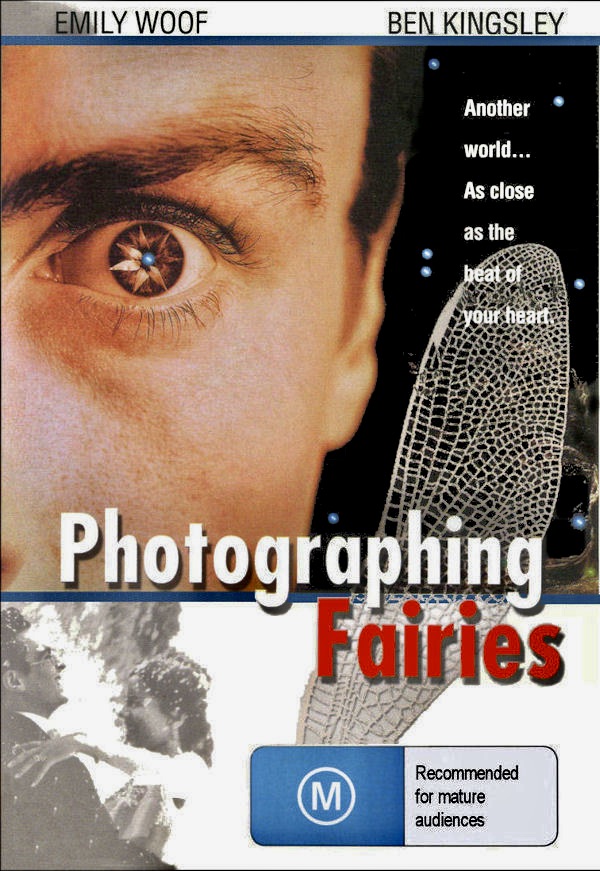
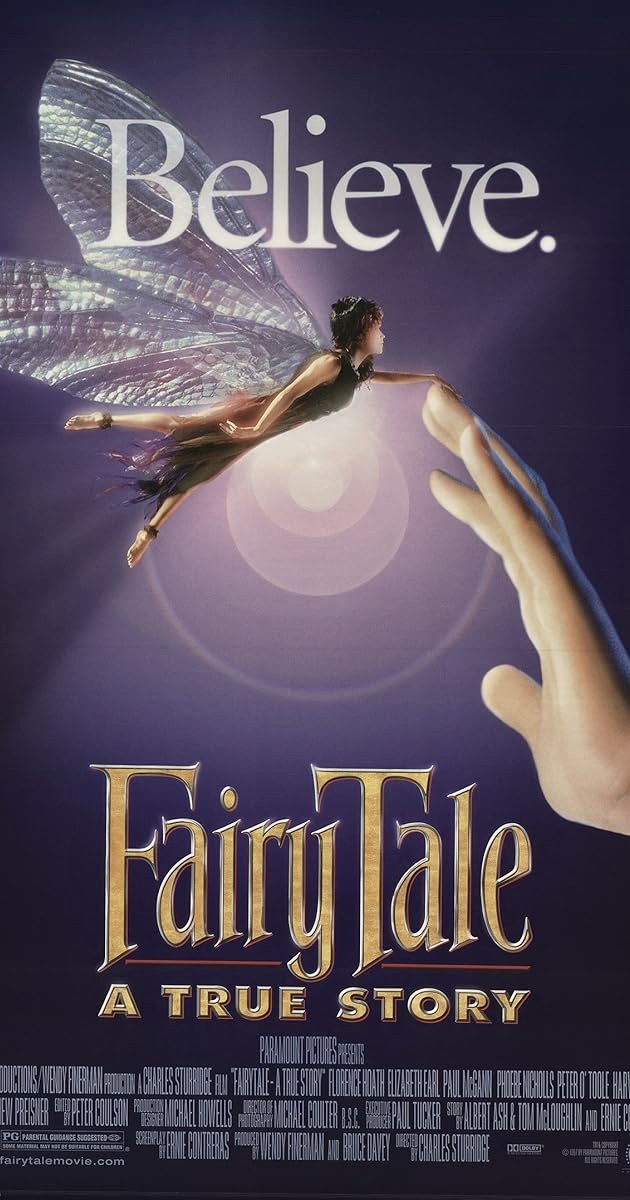
In 1917 sixteen year old Elsie Wright and her nine year old relative Frances Griffith were playing in the Wright family garden in Cottingley, England. Elsie borrowed her father’s camera to take some photos of Frances playing and a few months later she borrowed the camera again with both girls snapping photos. When the photos were developed, both girls but mainly Frances, were seen cavorting with what looked like fairies. Elsie’s father thought the photographs were faked but Elsie’s mother believed they revealed actual sprites and the photos were revealed to the public in 1919, creating an international sensation. The incident attracted the attention and support of the Theosophical Society in Bradford, England and prominent people like author Sir Arthur Conan Doyle, who was involved in the spiritualist movement, found the evidence convincing. The photographs were also denounced by non-believers like Harry Houdini, who famously campaigned against fraudulent psychics and mediums. For years, the Cottingley fairies remained a source of mystery and fascination and, in 1997, strangely enough, two different movies on the subject were produced and released in the U.K., FairyTale: A True Story and Photographing Fairies.

Continue reading