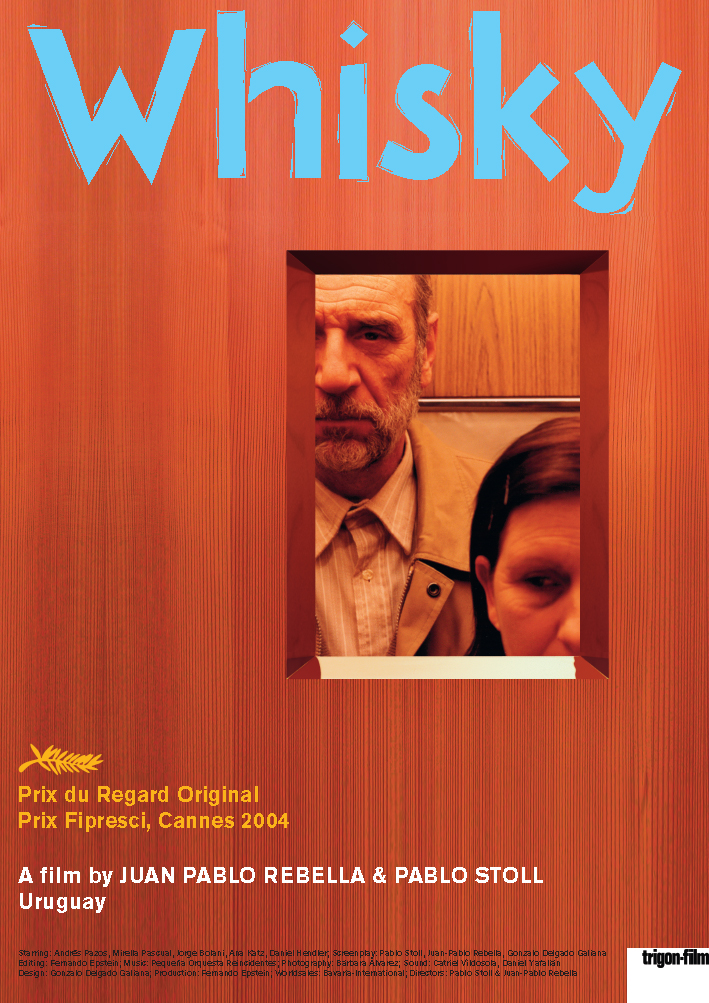
What was the last movie you saw from Uruguay? I was not sure I had ever even seen a film from that country until I recalled watching La Noche de 12 Anos (English title: A Twelve-Year Night) in 2018. Directed by Alvaro Brechner, it was the story of three political prisoners from the National Liberation Movement aka Tupamaros in Uruguay who were systematically tortured in jail during the military dictatorship of the country in 1973. The only other film I recall that was specific to Uruguay was Costa-Gavras’s State of Siege (1972), a Kafka-like drama based on the real-life kidnapping and assassination of Daniel A. Mitrione, a government official with the United States Agency for International Development. But Costa-Gavras’s film was actually shot in Chile, not in Montevideo where the events took place, and was primarily a French production so it doesn’t really qualify as a Uruguayan production…which brings me to Whisky, a 2004 film by Uruguay filmmakers Juan Pablo Rebella and Pablo Stoll. Whisky could not be more different than the politically charged A Twelve-Year Night and offers instead a subtle, bittersweet character study directed in the deadpan absurdist style of Aki Kaurismaki (Ariel, Le Havre) or similar kindred spirits like Roy Andersson (Songs from the Second Floor, About Endlessness) or Jim Jarmusch (Stranger Than Paradise, Dead Man).
Continue readingTag Archives: Aki Kaurismaki
City Unplugged
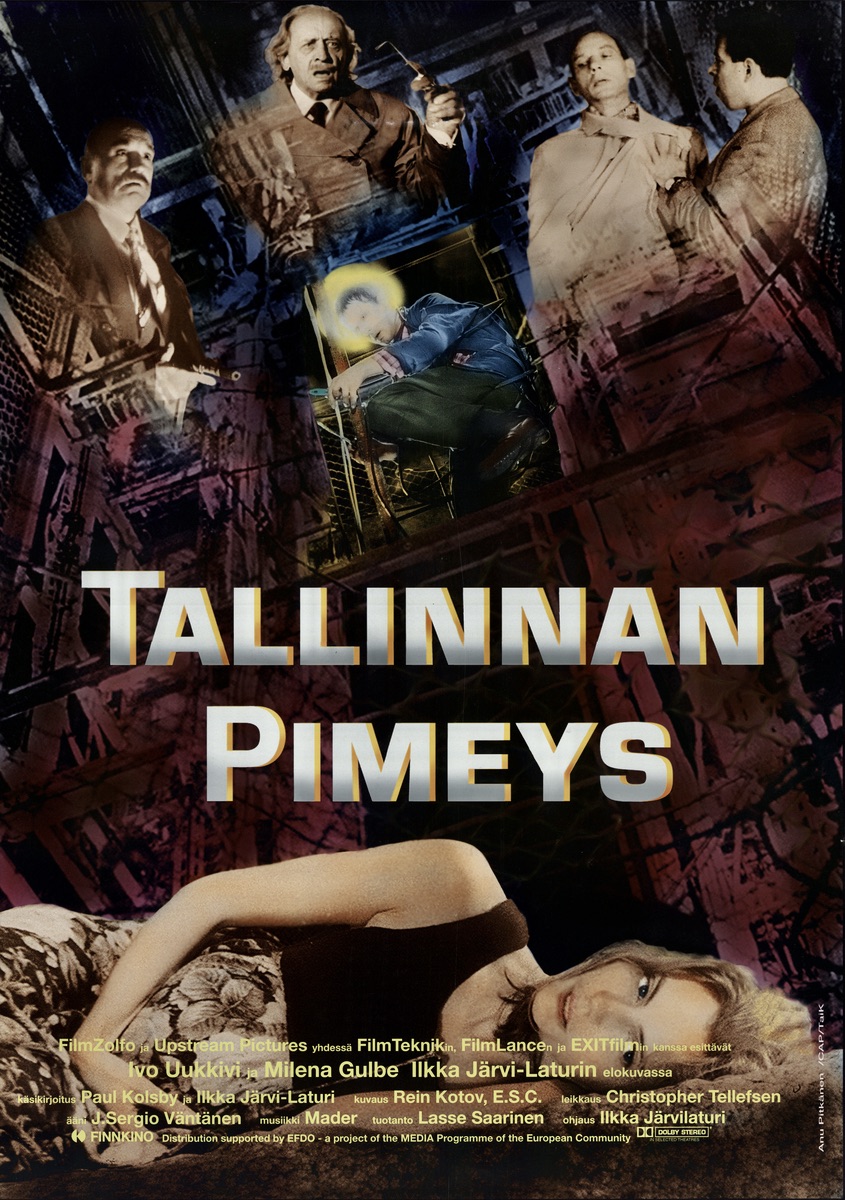
Movies about an ingenious heist or an elaborately staged robbery always come with set expectations from genre enthusiasts. Can they meet or surpass the gold bar standard set by earlier classics such as John Huston’s The Asphalt Jungle (1950), Jules Dassin’s Rififi (1955), or Stanley Kubrick’s The Killing (1956) for example? Tallinn Pimeduses (English title: City Unplugged, aka Darkness in Tallinn 1993), directed by Estonian filmmaker IIkka Jarvi-Laturi, might not ever attain the iconic status of those efforts but that doesn’t mean it isn’t a worthy addition to the genre. If anything, it is quirky and original enough to earn a cult following and probably would have if it had ever been distributed and marketed by a major Hollywood studio.
Continue readingThe Rip Van Winkle Syndrome
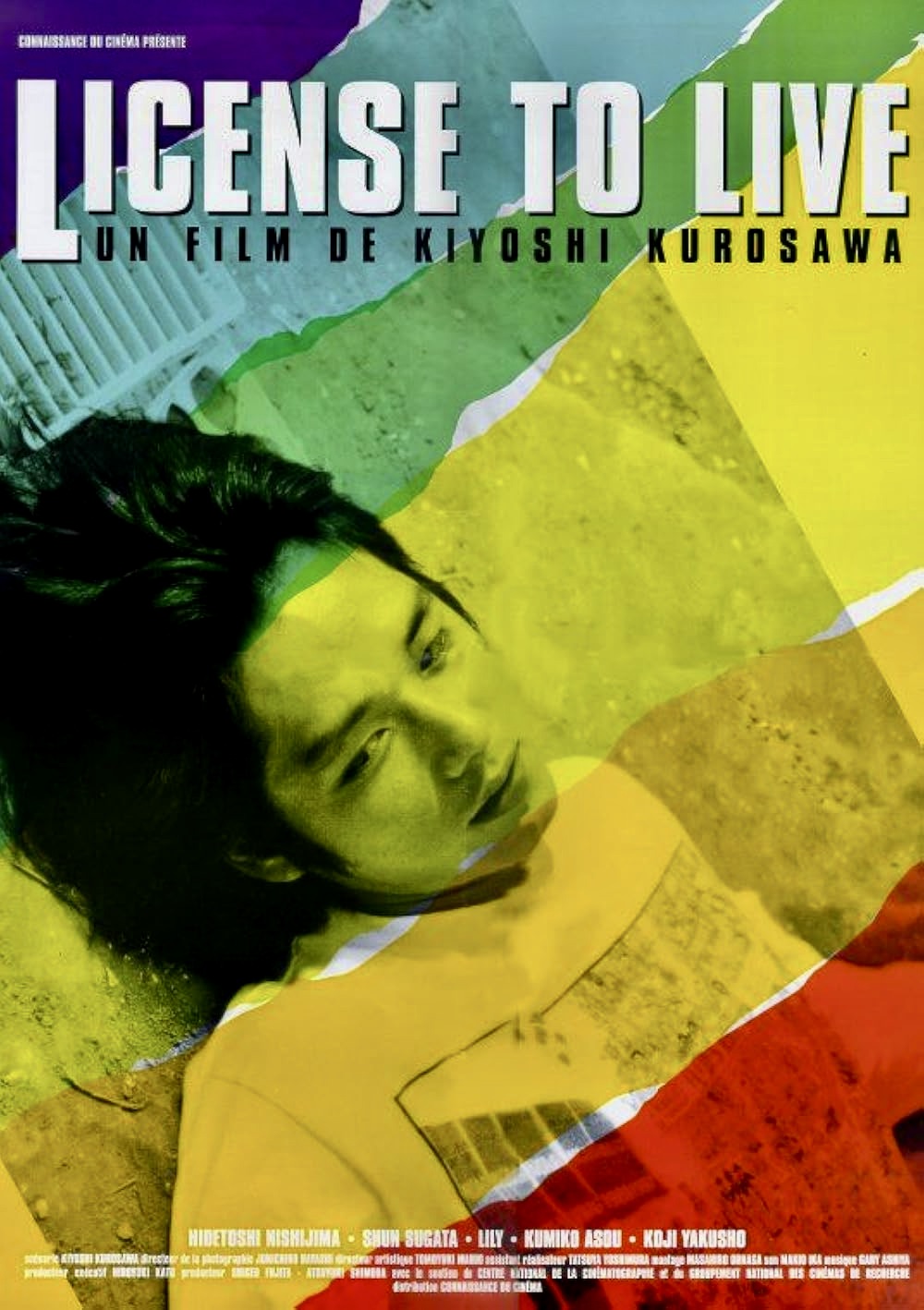
Yutaka Yoshii (Hidetoshi Nishijima) is a twenty-four-year-old man who suddenly wakes up from a coma after ten years and has to readjust to a new world. This is the basic set-up of Ningen Gokaku (English title: License to Live, 1998), a decidedly change-of-pace effort from Japanese director Kiyoshi Kurosawa, who is better known for creepy occult/psychological thrillers like Sweet Home (1989), Cure (1997) and Pulse (2001). You can only imagine what an American film studio would do with this simple concept – it would either become a rom-com like While You Were Sleeping (1995) or a horror flick such as The Dead Zone (1983) – but Kurosawa takes an approach that probably surprised even his most fervid fans. License to Live turns out to be a low-key, observational series of vignettes that slowly culminate in a moving meditation on the things that make the life of a human being worth living.
Continue readingSafe Harbor
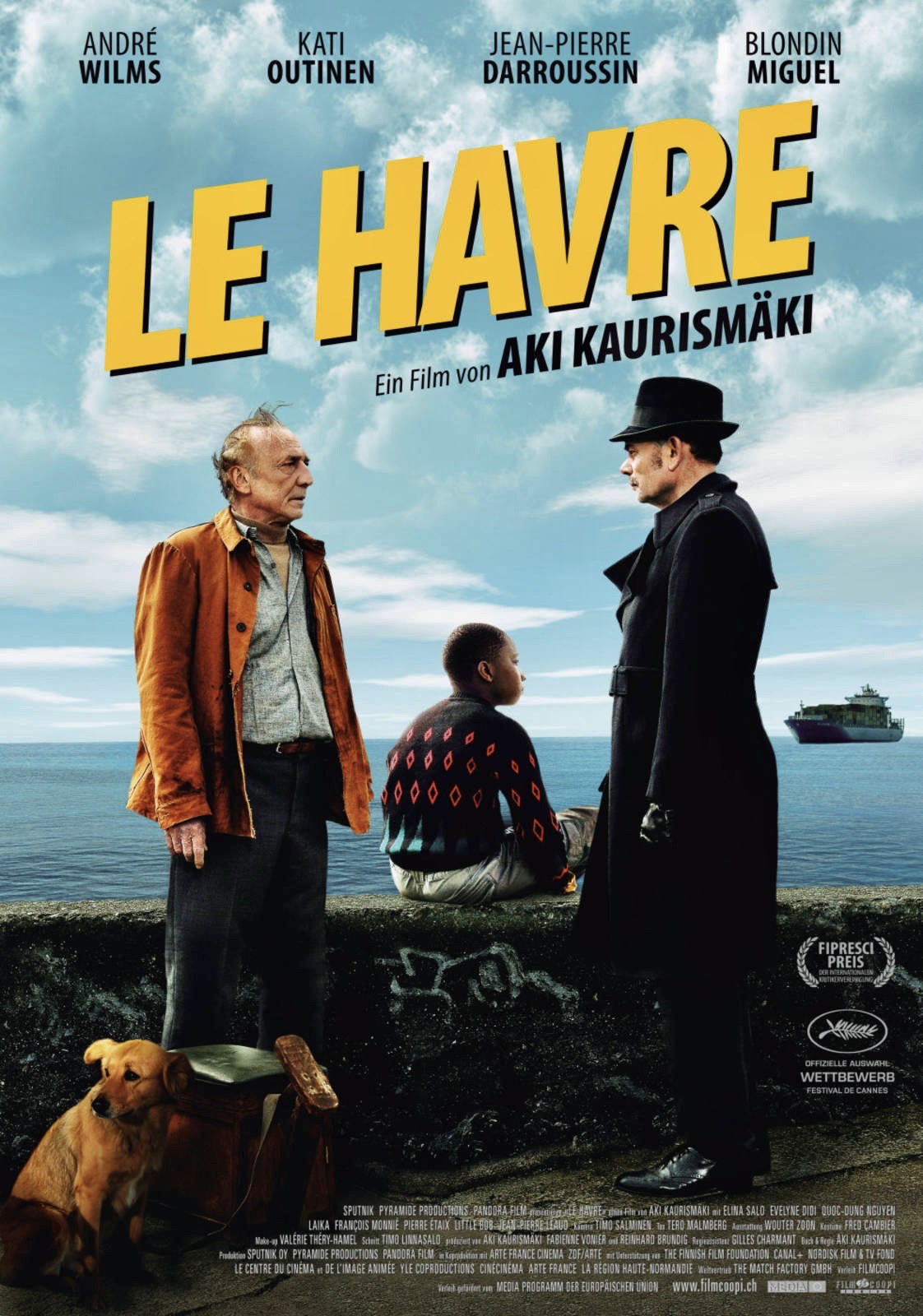
When did the immigrant situation become an international crisis? Anyone who follows the news knows that immigration has been on the rise for the last 20 years or more but, beginning in 2020, the number of fleeing people seeking asylum in Europe, the U.S. and other more affluent countries has tripled and is reaching catastrophic proportions. This situation was addressed in a small but personal way back in 2011 by the great Finnish auteur Aki Kaurismaki in his film Le Havre. Instead of trying to tackle the whole immigration problem, Kaurismaki uses it as the background for a story about Idrissa (Blondin Miguel), a young African immigrant, and how his plight spurs a working-class French community to protect and aid him during his journey.
Continue reading