Yma Sumac, that rarest of exotic songbirds, officially became an extinct species on Saturday, Nov. 1, 2008 in Silver Lake, California. Her passing was barely noticed by the media despite the fact that her impact on pop culture in the early fifties had an international impact. From her first U.S. album release, Voice of the XtaBay (1950), and Hollywood film debut Secret of the Incas (1954) starring Charlton Heston, to everything that followed in her curious career, Sumac has been many things to many people.
The Italian film poster for the 1994 film THE ARCANE SORCERER
Ever since the international box office success of The Exorcist in 1973, horror films dealing with religion and priests have usually focused on demonic possession. This trend even continues today as witnessed by the release of The Pope’s Exorcist (2023) and The Exorcism (2024), both starring Russell Crowe. A refreshingly different approach to this often formulaic subgenre is L’Arcano Incantatore (English title: The Arcane Sorcerer), a sadly overlooked but richly atmospheric period thriller from Italian director Pupi Avati, which premiered in 1996 but never received an official theatrical release in the U.S.
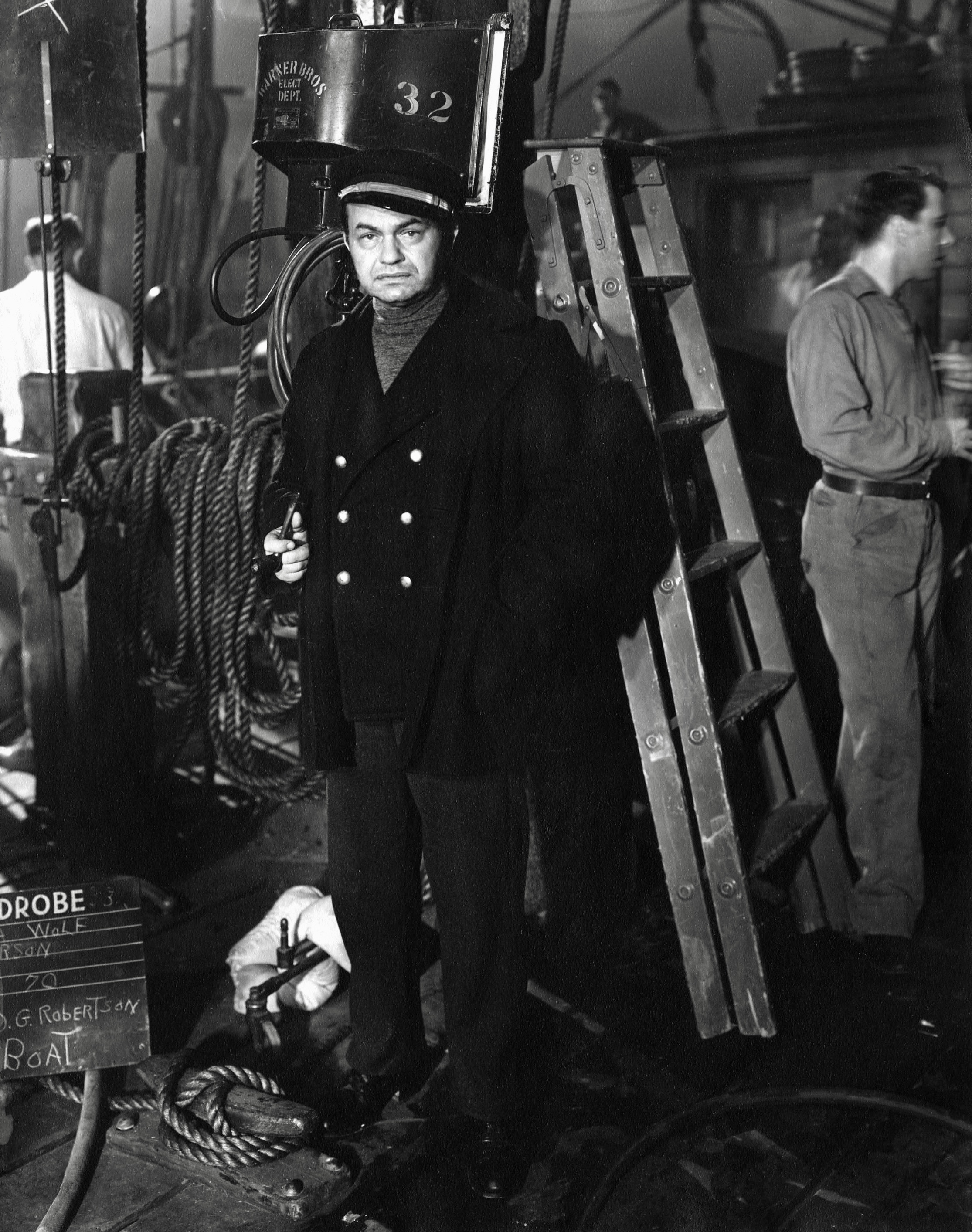
Edward G. Robinson on the set of THE SEA WOLF (1941), in which he plays the maniacal captain Wolf Larsen from the Jack London novel.
Among the many tales about ill-fated ocean voyages, obsessive and tyrannical sea captains are usually at the root of the trouble. Some of the more memorable ones include Captain Ahab in Moby Dick, Captain Bligh in Mutiny on the Bounty, and Captain Queeg in The Caine Mutiny. But none of these misguided authority figures can match the sadism and brutality of Wolf Larsen, the megalomaniac captain of Jack London’s novel, The Sea Wolf, who was famously portrayed by Edward G. Robinson in a 1941 Warner Bros. production directed by Michael Curtiz.
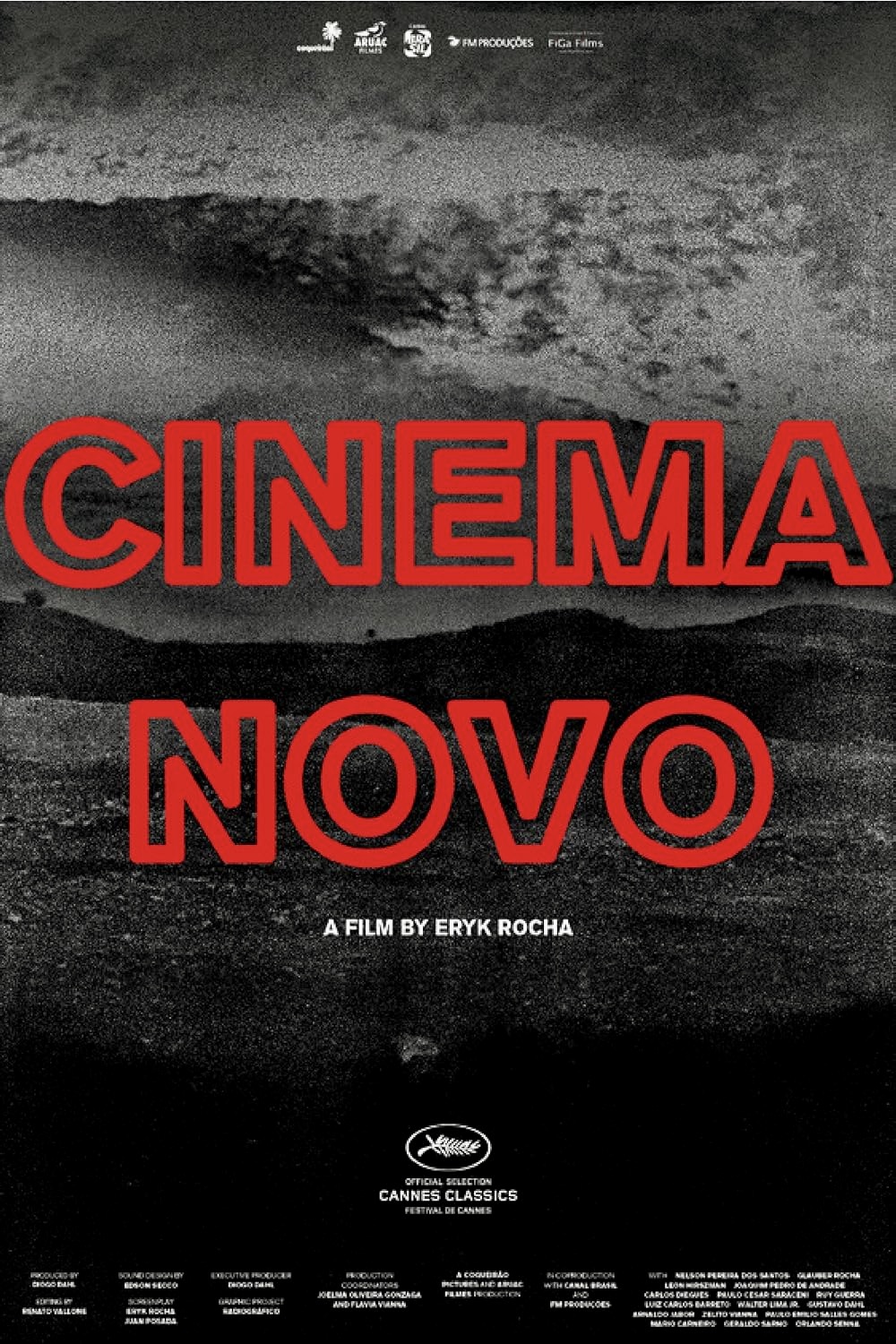
What are the circumstances that lead to the formation of a new film movement? For the pioneers of the neorealism movement in Italy, it was the need to address the problems of the country in the aftermath of WW2 when commercial films seemed irrelevant in comparison. In France during the late 1950s and early 1960s, it was the desire by the Nouvelle Vague filmmakers to break away from the aesthetics of studio made films in favor of new and more relevant subject matter and production methods. And, in Brazil during this same time period, it was also a generational response by young filmmakers to their country’s cinema, which became known as the Cinema Novo movement. Yet, it wasn’t just a revolt against the traditional commercial movies of Brazil but an effort to address, discuss and critique aspects of the country’s national identity on the world stage. Cinema Novo (2016), a documentary by Eryk Rocha (son of director Glauber Rocha), is a non-traditional approach to the genre which immerses the viewer in a visual and aural whirlwind that captures the power, passion and creativity of the movement. The Hollywood Reporter called it “a pure bombardment of the senses” and that’s a compliment.
The Polish film poster for A SHORT FILM ABOUT LOVE (1988)
A lonely nineteen-year-old boy watches his neighbor Magda (Grazyna Szapolowska) through binoculars as she moves about her apartment across the courtyard in her underwear. Tomek (Olaf Lubaszenko) has been spying on this alluring older woman for almost a year and he has his routine down to a fine science, which includes setting his alarm clock to go off at the time she comes home from work so he won’t miss a thing. He soon graduates from binoculars to a telescope he stole from a local school. He also calls her up occasionally on the telephone but never has the nerve to say anything. His obsession, however, has come to the point where he requires more direct contact and so he begins to manipulate some face to face encounters with Magda through his work as a postal clerk and a milk delivery man for the apartments. While this basic premise for Polish filmmaker Krzysztof Kieslowski’s Krotki Film o Milosci (English title: A Short Film About Love,1988) sounds like the set-up for a creepy voyeur thriller in the vein of Rear Window (1954), Psycho (1960), or Peeping Tom (1960), the movie that unfolds goes in a completely different direction, depicting two lonely souls – one cynical, the other naïve – who forge a unique connection through unlikely circumstances.
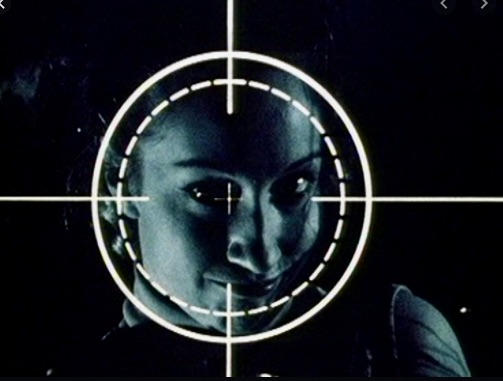
A rebellious young woman (Jane Hardens) is selected by aliens to be their representative on Earth in the 1972 Australian underground film SHIRLEY THOMPSON VERSUS THE ALIENS.
During the early years of the science fiction film craze of the 1950s most alien visitors were hostile or extremely dangerous as in The Thing from Another World (1951), The War of the Worlds (1953) and Invaders from Mars (1953). There were a few exceptions to this such as the peaceful Klaatu (Michael Rennie) in The Day the Earth Stood Still (1953) and the benign visitors of It Came from Outer Space (1953) but rarely has a science fiction film depicted aliens trying to recruit a human to be the vocal spokesperson for their group. In Shirley Thompson Vesus the Aliens (1972), directed by Jim Sharman (The Rocky Horror Picture Show), the title character is a disaffected young woman still living at home in the dreary suburbs with her parents and young sister and clearly not the sort of person to represent any group due to her antagonistic, rebellious nature. Nevertheless, Shirley (Jane Hardens) is chosen by extraterrestrials to warn earthlings to stop all wars or they will destroy the planet. And do you think anyone pays attention to her?



 Cinema Sojourns