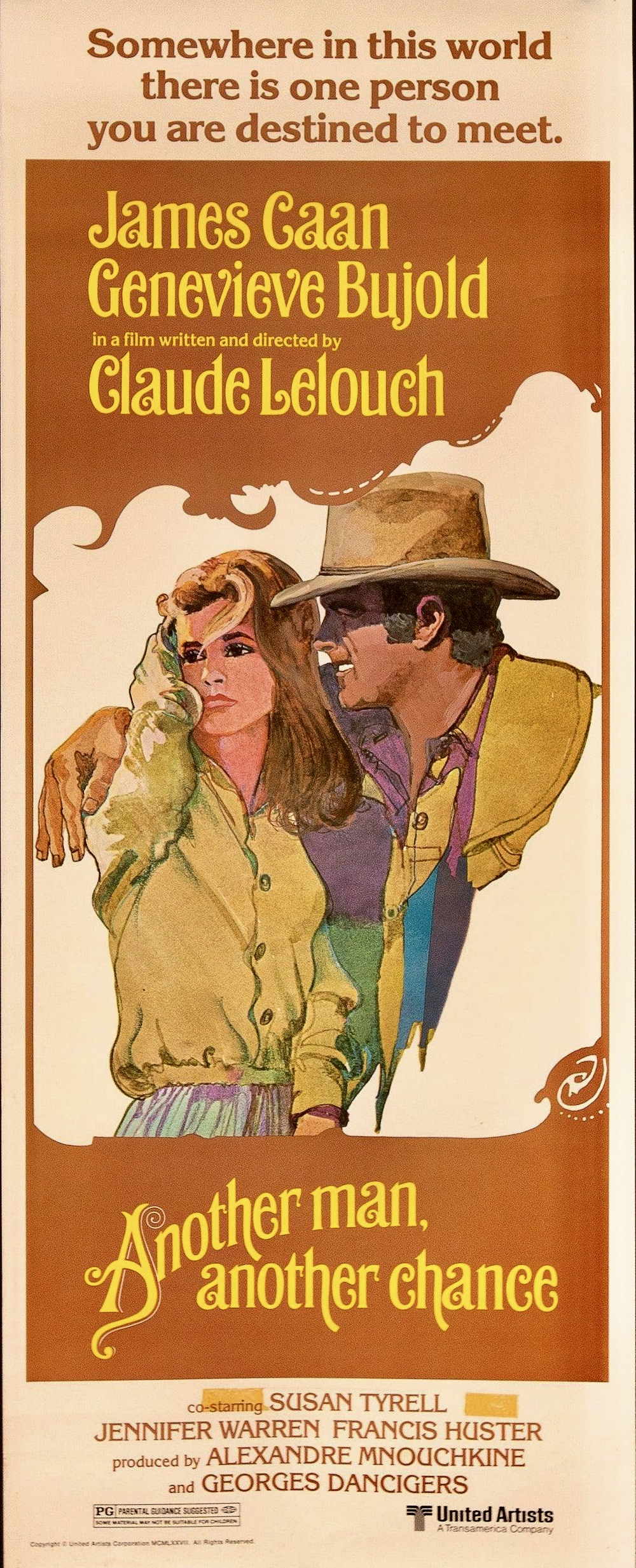
The American West as seen through the eyes of a French filmmaker provides a curious and offbeat approach to the genre in Another Man, Another Chance (1977), directed by Claude Lelouch, whose most famous film remains his breakout 1966 art house hit, A Man and a Woman; it also won the Oscar for Best Foreign Language Film. Unlike most Hollywood produced Westerns, Another Man, Another Chance relies less on the traditional attributes of the form and presents instead a slow burn love story shaped by the turbulent events of the 1870s in both Europe and the U.S. Similar to the narrative structure of A Man and a Woman and other Lelouch films such as And Now My Love (1974) in which fate brings together two people over the passage of time, the movie provides parallel narratives in which the story’s two main protagonists eventually emerge and find each other.
Continue readingTag Archives: western movies
Anthony Mann’s Overlooked Western
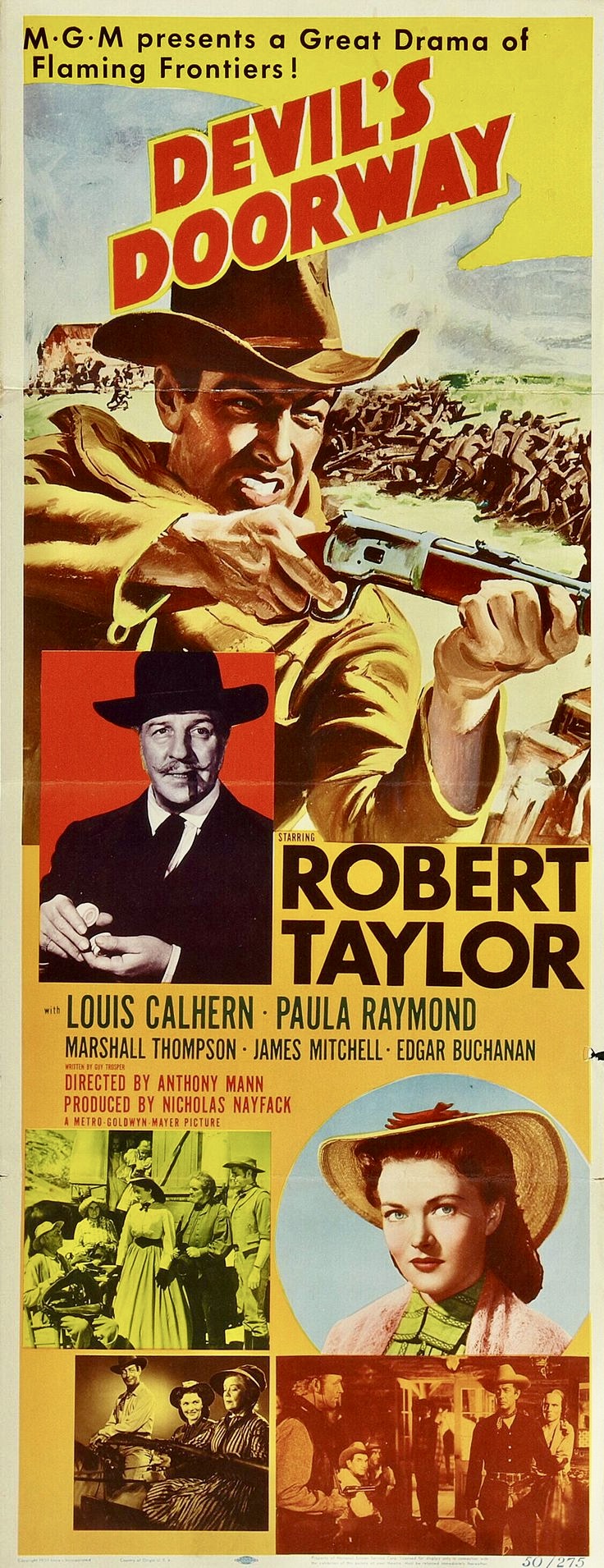
1950 marked an important turning point in the evolution of the Hollywood Western and Broken Arrow, directed by Delmer Daves, was largely responsible for that. A sympathetic treatment of the plight of the Apache people and their way of life, the film was the first major studio western to depict Native Americans as something other than bloodthirsty savages or naive primitives. The real hero of Broken Arrow was Cochise (Jeff Chandler), the Apache leader, and not the cavalry scout (James Stewart) who marries an Apache woman (Debra Paget). The film’s liberal views on race and the white man’s treatment of the Native-American were considered daring at the time and garnered much critical acclaim. It also earned three Oscar nominations including one for Best Screenplay (by Michael Blankfort). The downside of all this is that Broken Arrow‘s success completely overshadowed Devil’s Doorway, which was released the same year and also addressed the terrible treatment of this nation’s original settlers.
Continue reading

