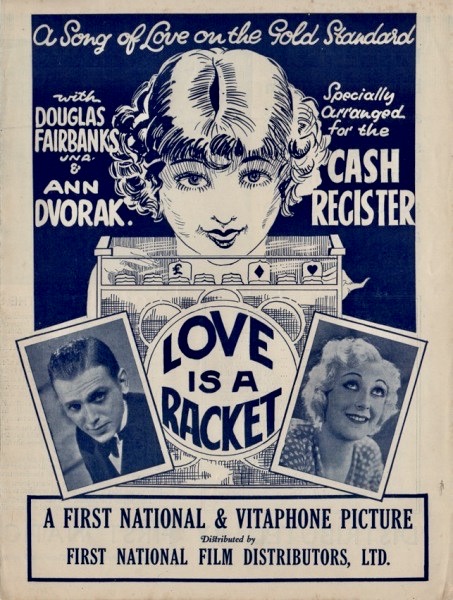
During his years as a contract director at Warner Bros., William Wellman made his mark early with the influential gangster drama The Public Enemy (1931) but didn’t have another major box office success until after he left the studio and directed A Star Is Born (1937), produced by David O. Selznick and distributed by United Artists. Yet, during his tenure with First National Pictures/Warner Bros., Wellman churned out a number of energetic, fast-paced entertainments which are often overlooked by admirers of his work but stand out from the assembly-line programmers they were intended to be. Among the highlights from this early period are Night Nurse (1931) with Barbara Stanwyck, the grim Pre-Code drama Safe in Hell (1931) and Love Is a Racket (1932) starring Douglas Fairbanks, Jr. as a newspaper columnist working the Broadway beat. The latter film is not only a fascinating time capsule of its era, with glimpses of then-popular New York City nightspots such as Sardi’s, but also presents an unapologetic, cynical view of reporters who often resort to any means necessary to score a front-page story.
Continue readingTag Archives: Warner Brothers
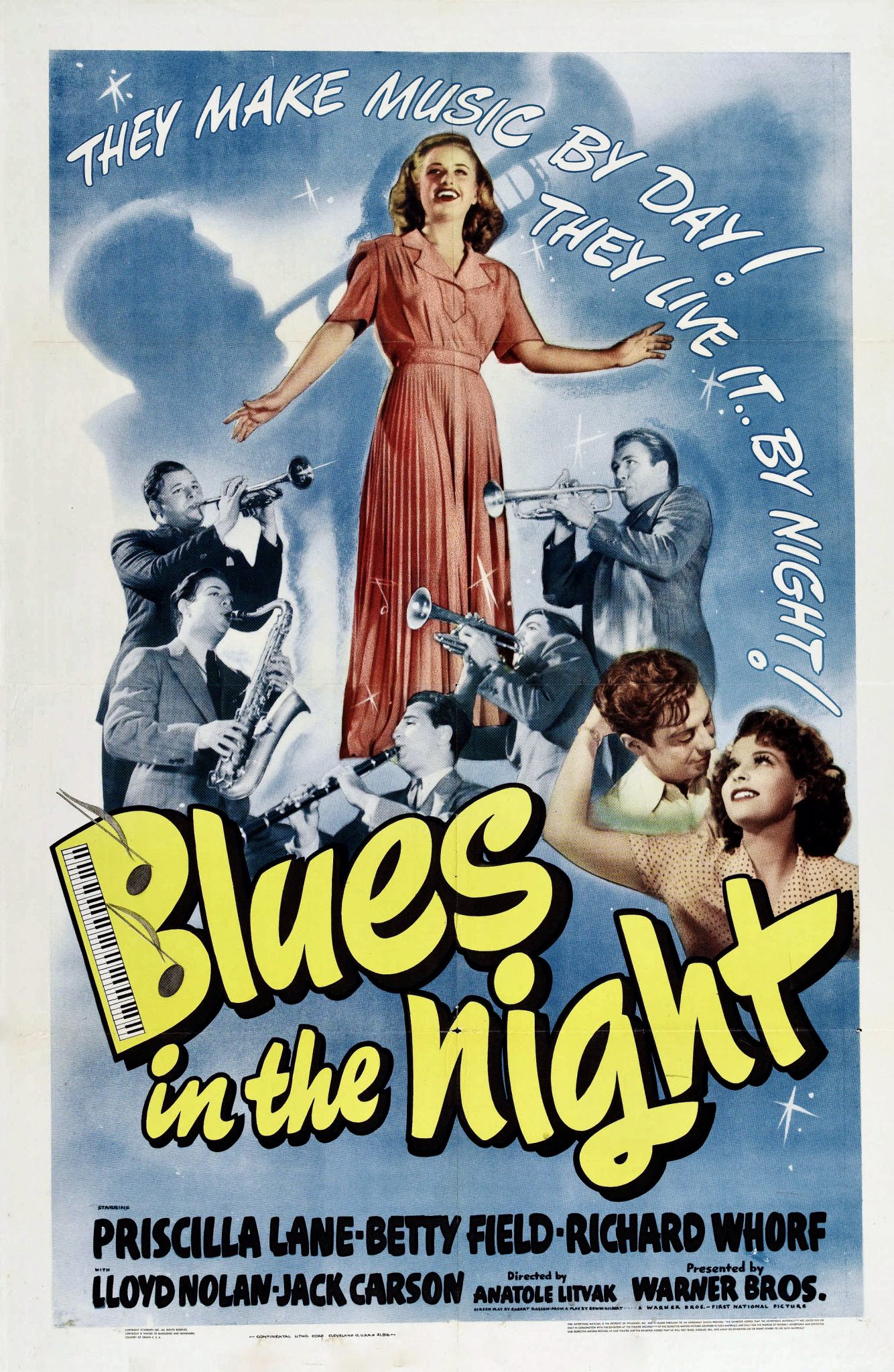
Hot Nocturne

Most Hollywood films about musicians that were made during the studio era were usually biopics and focused on individual artists such as George Gershwin (Rhapsody in Blue, 1945) and Glenn Miller (The Glenn Miller Story, 1954). It was rare to see a feature film that detailed the ups and downs of an entire band and, in the case of 1941’s Blues in the Night, the featured jazz sextet was entirely fictitious. Originally titled Hot Nocturne, the name was changed just prior to its theatrical release to capitalize on the Harold Arlen-Johnny Mercer hit song that became its signature tune.
The Working Woman’s Dilemma
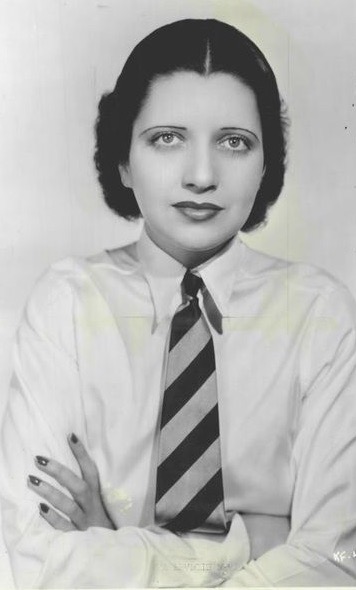
By 1935 Kay Francis was at the peak of her film career and the highest paid actress on the Warner Bros. lot. While her image as a chic and stylishly dressed sophisticate eventually worked against her, obscuring her genuine talent as an actress, Francis was amazingly prolific in the early sound era, averaging four to five movies a year opposite such dashing leading men as Ronald Colman (Raffles, 1930), William Powell (Ladies’ Man, 1931), Joel McCrea (Girls About Town, 1931), Fredric March (Strangers in Love, 1932), and Herbert Marshall (Trouble in Paradise, 1932).
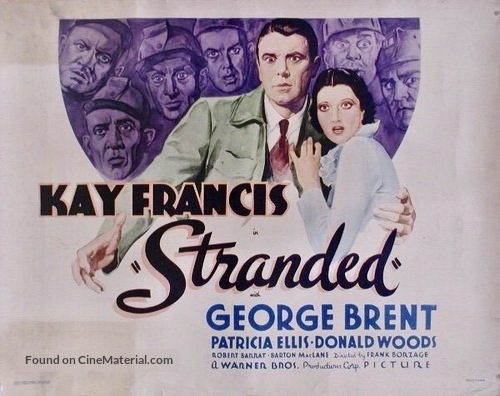
Despite the often clichéd and formulaic scripts she was given by the studio, which were mostly soap operas, tearjerkers and romantic dramas, Francis still managed to display her versatility in a variety of films that deserve to be better known today such as the delightful caper comedy Jewel Robbery (1932), the exotic Pre-Code melodrama Mandalay (1934) and the offbeat espionage thriller British Agent (1934). But there are plenty of lesser known efforts in her filmography that deserve rediscovery and one of the most intriguing is Stranded (1935), a curious blend of romance, New Deal optimism, and crime drama directed by Frank Borzage and pairing Francis with George Brent, who first appeared with the actress in The Keyhole (1931). (Brent would soon become Bette Davis’s leading man of choice at Warner with that actress replacing Francis as the queen of the lot). Continue reading
Scandal Sheet Smackdown
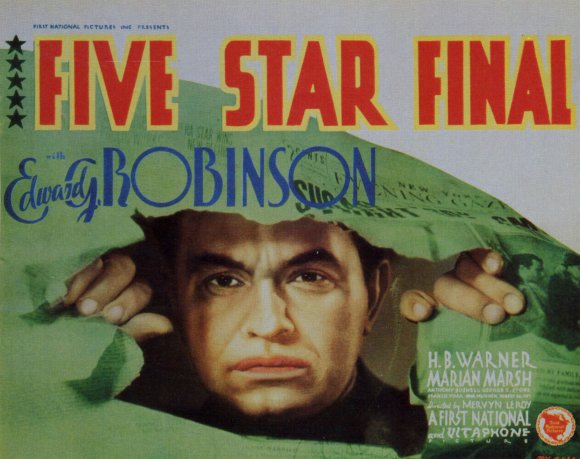
In the early thirties, most studios steered clear of social protest films but not Warner Bros. They embraced the genre with the same muckraking glee that characterized some of their subjects. Prison reform was addressed in one of their most famous films, I Am a Fugitive from a Chain Gang (1932), with equally controversial topics like the rise in urban crime and drug addiction among war veterans being presented in The Public Enemy (1931) and Heroes for Sale (1933), respectively. Five Star Final (1931), on the other hand, addressed a different type of social problem – tabloid journalism.
Continue reading