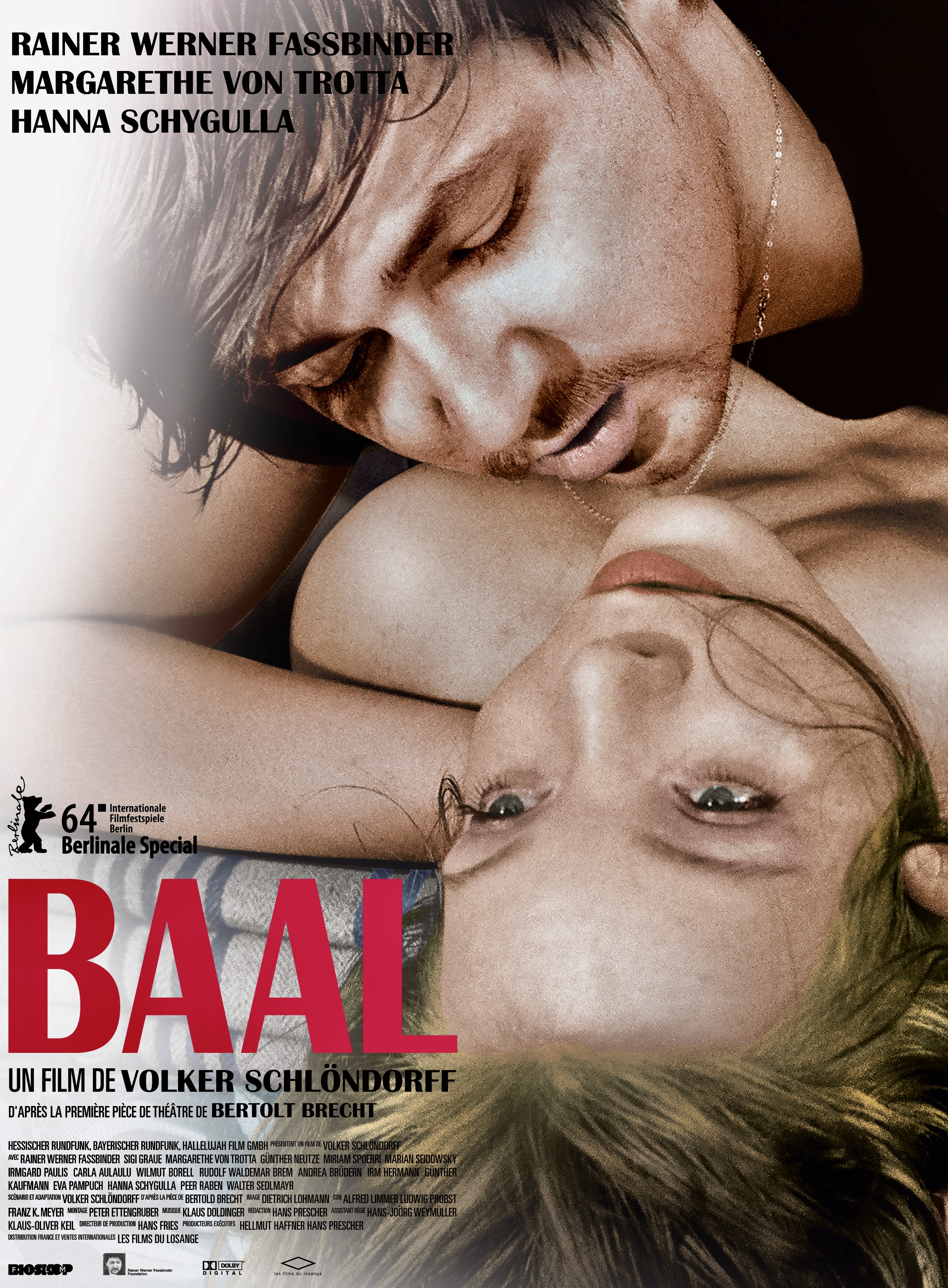
People tend to forgive artistic geniuses for their human imperfections when their talent is so monumental – this could also apply to any super-celebrity with landmark achievements in any field from sports to politics to music – but at a certain point, there is a limit to what society will tolerate. The protagonist of Baal, a 1970 film adaptation of the Bertolt Brecht play, is the embodiment of this. A former office clerk turned itinerant poet and musician, Baal’s work propels him to the level of a literary icon, beloved by the intelligentsia and the common man. He could care less because he hates everything, including the society that helped shape his talent. More importantly, he hates himself and that self-destructive urge informs his every act, making him one of the most nihilistic and anti-social characters even conceived for the stage or screen.
Continue readingTag Archives: Volker Schlondorff
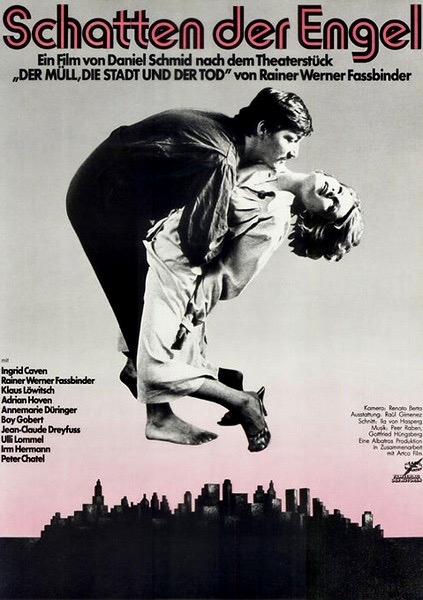
R.W. Fassbinder and Daniel Schmid: Shadow of Angels

In his relatively brief lifetime of 37 years, Rainer Werner Fassbinder turned out 21 feature films, two TV mini-series (Berlin Alexanderplatz, Eight Hours Don’t Make a Day), 11 made-for-TV movies, 1 documentary, several film shorts, and numerous theatrical productions. He also helmed an episode of the quasi-documentary/fiction compilation Germany in Autumn (1978), served as producer on other German films like Tenderness of the Wolves (1973) and appeared as an actor, not only in many of his own films but in those of other contemporaries from the New German cinema like Volker Schlondorff. Fassbinder’s role as the contemptuous anti-social rebel Baal (1970), adapted for television by Schlondorff from Bertolt Brecht’s play, is one of his finest performances (Criterion released a beautifully restored version of it on Blu-ray and DVD in March 2018). Equally impressive but lesser known is Daniel Schmid’s Shadow of Angels (Schatten der Engel, 1976), which is based on Fassbinder’s play The Garbage, the City and Death and features R.W. in a pivotal role.
Continue reading
