
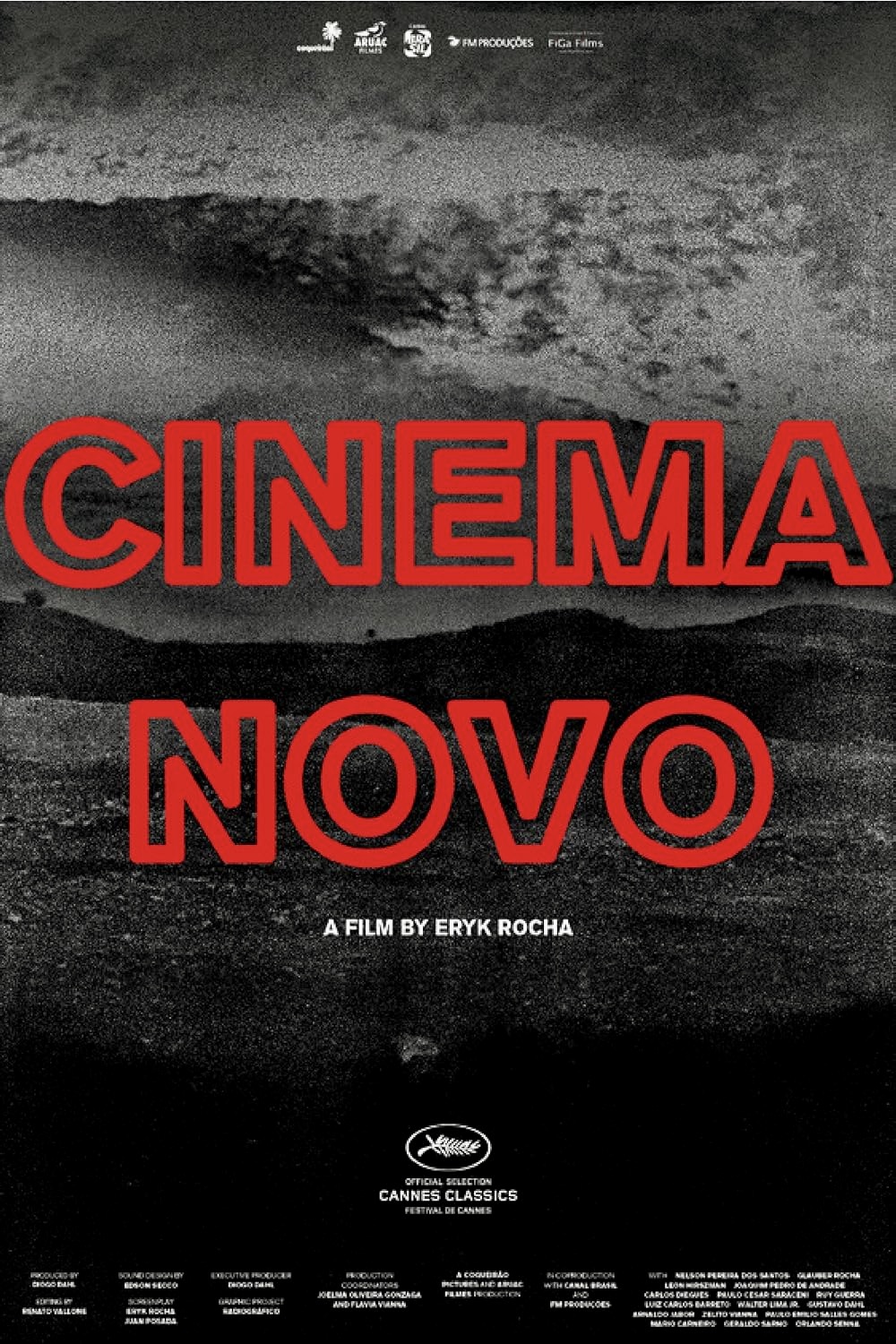
What are the circumstances that lead to the formation of a new film movement? For the pioneers of the neorealism movement in Italy, it was the need to address the problems of the country in the aftermath of WW2 when commercial films seemed irrelevant in comparison. In France during the late 1950s and early 1960s, it was the desire by the Nouvelle Vague filmmakers to break away from the aesthetics of studio made films in favor of new and more relevant subject matter and production methods. And, in Brazil during this same time period, it was also a generational response by young filmmakers to their country’s cinema, which became known as the Cinema Novo movement. Yet, it wasn’t just a revolt against the traditional commercial movies of Brazil but an effort to address, discuss and critique aspects of the country’s national identity on the world stage. Cinema Novo (2016), a documentary by Eryk Rocha (son of director Glauber Rocha), is a non-traditional approach to the genre which immerses the viewer in a visual and aural whirlwind that captures the power, passion and creativity of the movement. The Hollywood Reporter called it “a pure bombardment of the senses” and that’s a compliment.
Continue reading
 Cinema Sojourns