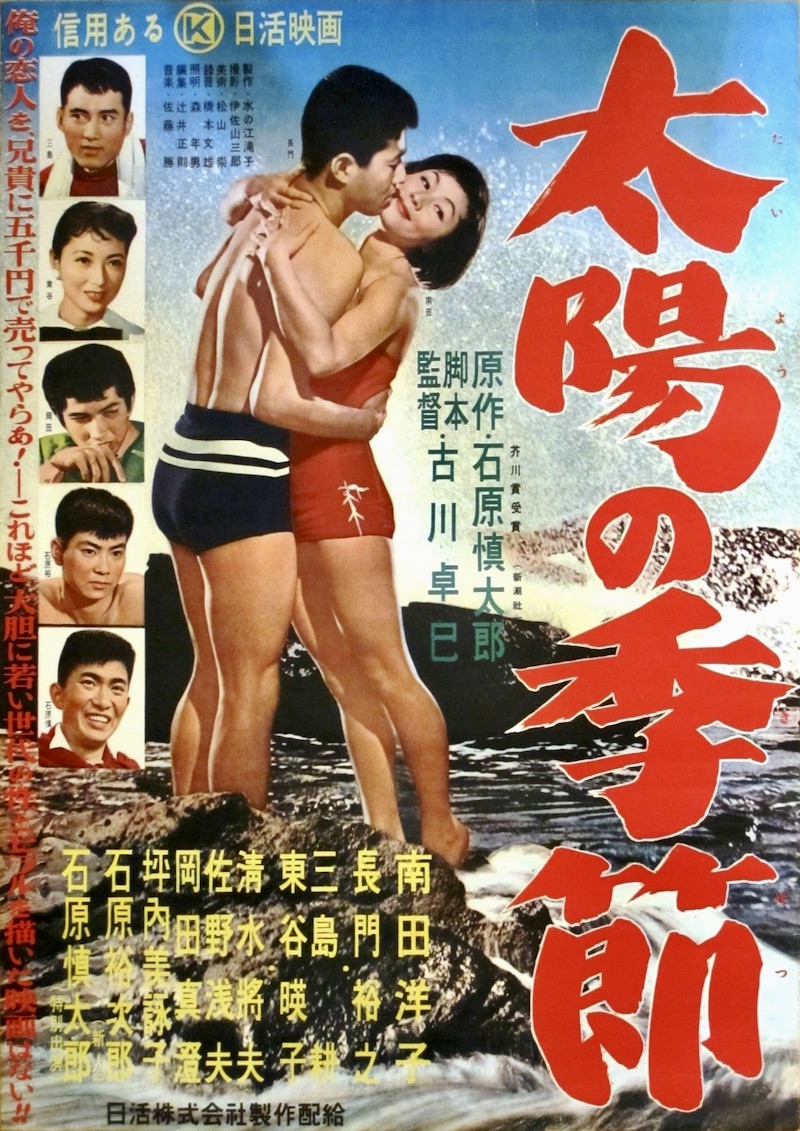
When Ishihara Shintaro died on February 1, 2022 at age 89, most obituaries focused on his career as a politician in Japan. He first served as a member of the House of Councillors (1968 to 1972) and then as a member of the House of Representatives (1972-1995) before becoming the Governor of Tokyo from 1999 to 2012. A controversial figure in his own country, Shintaro was famous for his ultra-nationalist stance on Japan and extreme right-wing views such as discriminating against Japanese-Koreans, the disabled, women, LGBT and other social minorities. He is now considered an early proponent of “hate speech” and often denied historical accounts of atrocities committed by the Japanese against the Chinese in the infamous Nanjing Massacre of 1937, which in Japan is the same as being a Holocaust denier. What is most surprising about Shintaro, however, is his earlier career as an author and highly successful screenwriter for movie studios like Nikkatsu, Daiei and Shochiku. His critically acclaimed first novella, Taiyo no Kisetsu (English title: Season of the Sun), was published in 1955 and he adapted it into a film for director Takumi Furukawa. It became a box office sensation and inspired several successors in a film movement that became known as the “Sun Tribe” (aka Taiyozoku) movies.
Continue readingTag Archives: Pale Flower
Don’t Act Cool, Just Be Cool

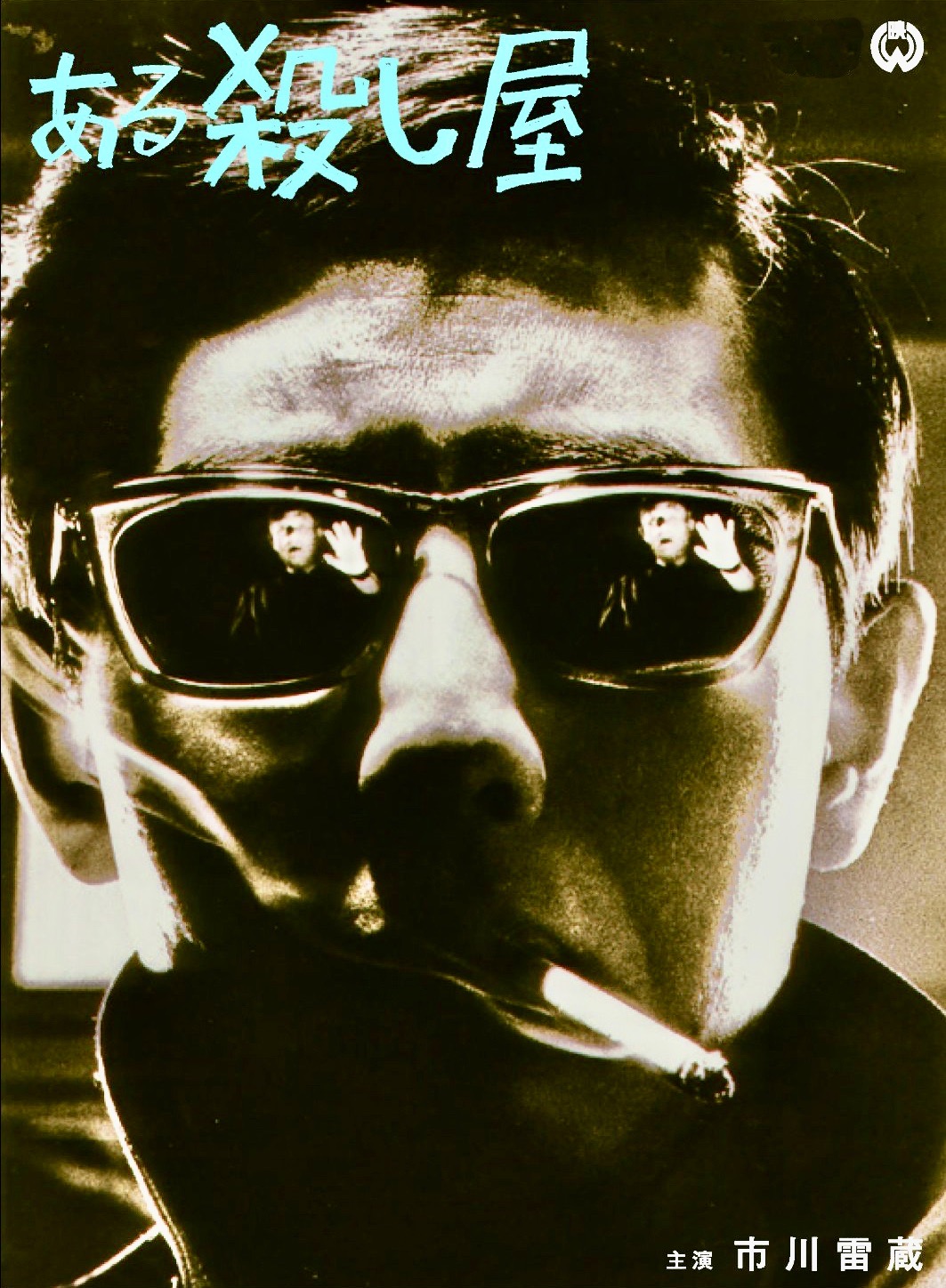
The yakuza thriller has been a prominent genre in Japanese cinema since the silent era when soon to be celebrated directors like Yasujiro Ozu dabbled in gangster melodramas like Walk Cheerfully (1930) and Dragnet Girl (1933). Once conceived as B-movies with low-budgets and rushed production schedules, the yakuza film graduated to A-picture productions in the 1970s but the genre really hit its stride in the 1960s with such stellar examples as Masahiro Shinoda’s Pale Flower (1964), Seijun Suzuki’s Tokyo Drifter (1966) and his more wildly stylized follow-up, Branded to Kill (1967). Still, there are so many superb yakuza films from this period waiting to be discovered by American audiences and one of my favorites is A Certain Killer (1967, Japanese title: Aru Koroshi Ya) from director Kazuo Mori.
Continue readingEmbryonic Journey

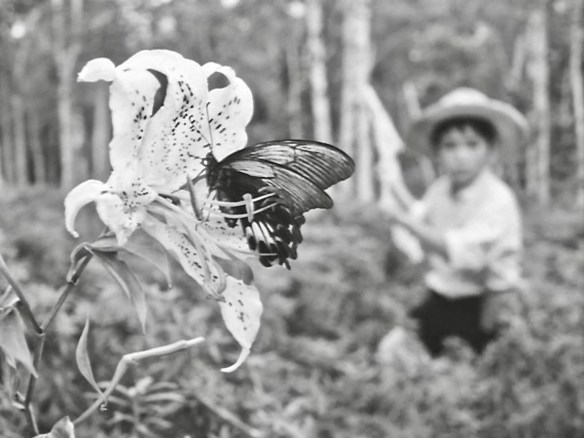
A young Japanese butterfly collector sees a rare species in his part of Japan in Silence Has No Wings (aka Tobenai Chinmoku, 1966), directed by Kazuo Kuroki.
What happens when you take an idea for a nature documentary short about a specific type of butterfly like the Nagasaki Swallowtail (papilla memnon) and expand it into an experimental narrative feature incorporating stylistic influences of the French New Wave with allegorical and sociological overtones? The result is Silence Has No Wings (aka Tobenai Chinmoku, 1966), a visually astonishing and rarely seen film by Japanese director Kazuo Kuroki, who began his career as an assistant director before helming several public relations and documentary shorts like Electric Rolling Stock of Toshiba (aka Toshiba Sharyo, 1958) and The Seawall (aka Kaiheki, 1959). Continue reading