Leon Klimovsky’s Pothead Noir

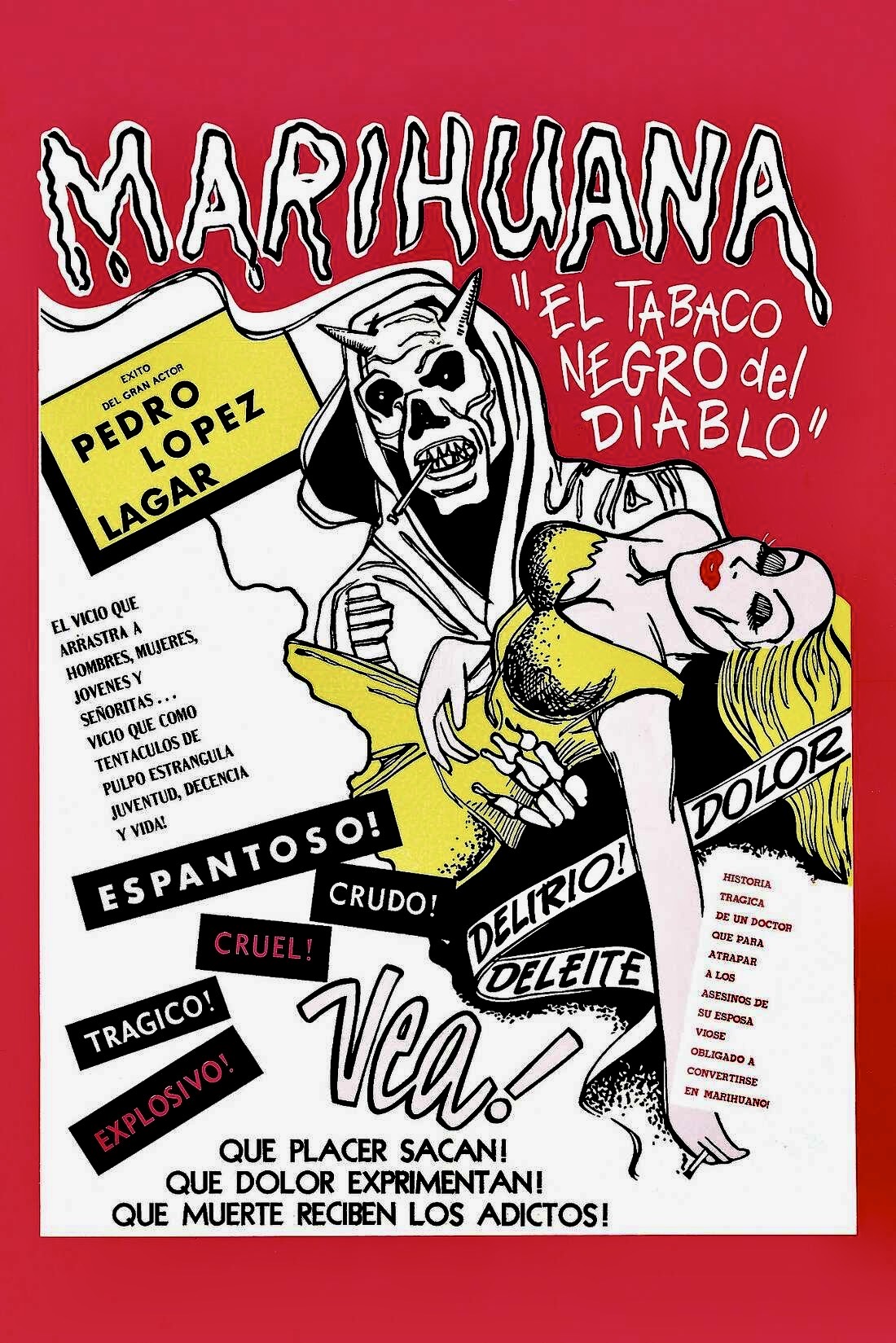
The Argentinean exploitation film poster for THE MARIHUANA STORY (1950).

Among the many anti-marijuana films made over the years, it is generally agreed that the most famous of them all is Reefer Madness (1936), which earned a huge cult following in the 1960s due to its outrageously over-the-top depiction of marijuana use and its effects. Most of the anti-pot movies were false, exaggerated presentations of how the herb turned users into addicts and rivaled heroin as a gateway into sin, debauchery, violence and death. The U.S. was not alone in turning out these anti-drug scare films and one of the lesser known but historically significant releases for its time was Marihuana (U.S. title, The Marihuana Story, 1950), directed by Argentinian filmmaker Leon Klimovsky, who would later relocate to Spain and specialize in horror movies, spaghetti westerns and other low-budget genre efforts.

Continue reading
Safe Harbor

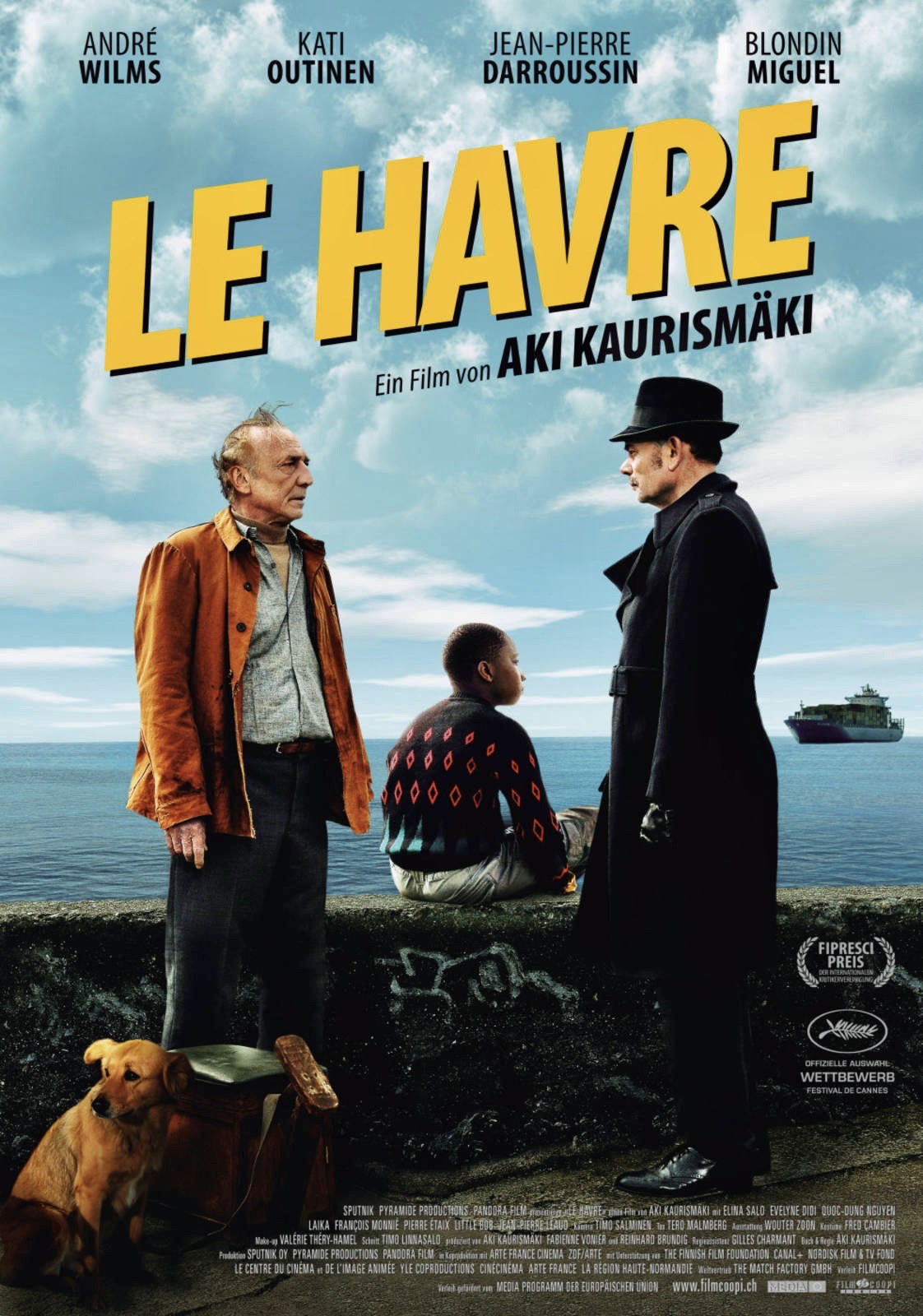
When did the immigrant situation become an international crisis? Anyone who follows the news knows that immigration has been on the rise for the last 20 years or more but, beginning in 2020, the number of fleeing people seeking asylum in Europe, the U.S. and other more affluent countries has tripled and is reaching catastrophic proportions. This situation was addressed in a small but personal way back in 2011 by the great Finnish auteur Aki Kaurismaki in his film Le Havre. Instead of trying to tackle the whole immigration problem, Kaurismaki uses it as the background for a story about Idrissa (Blondin Miguel), a young African immigrant, and how his plight spurs a working-class French community to protect and aid him during his journey.

Continue reading

The Prince and the Peasant

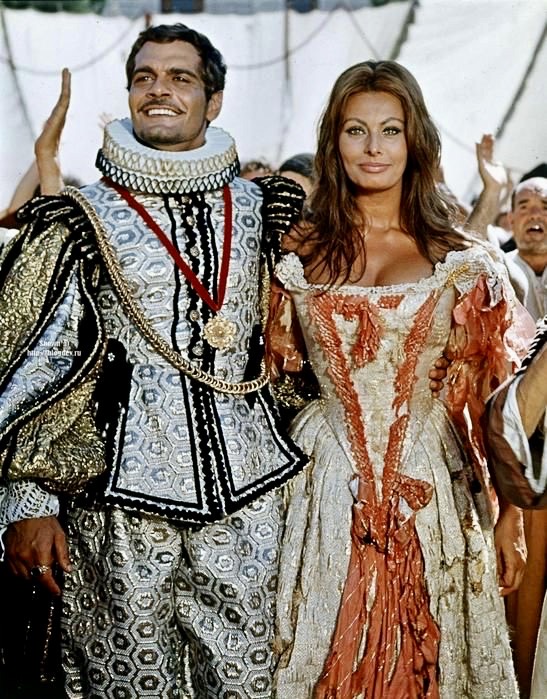
Will there be a happy ending for Prince Rodrigo (Omar Sharif) and Isabella Candeloro (Sophia Loren) in More Than a Miracle (1967), directed by Francesco Rosi.

Imagine, if you can, a rustic Neapolitan fairy tale directed by Francesco Rosi in the docudrama style of his post-neorealism films of the early sixties like The Moment of Truth (1965), shoot it in Technicolor and Techniscope, add a lush musical score by Piero Piccioni and you get More Than a Miracle (1967), a zesty Southern Italian fantasy-romance that was more appropriately titled Cinderella, Italian Style in Europe.   Continue reading