
The Rip Van Winkle Syndrome

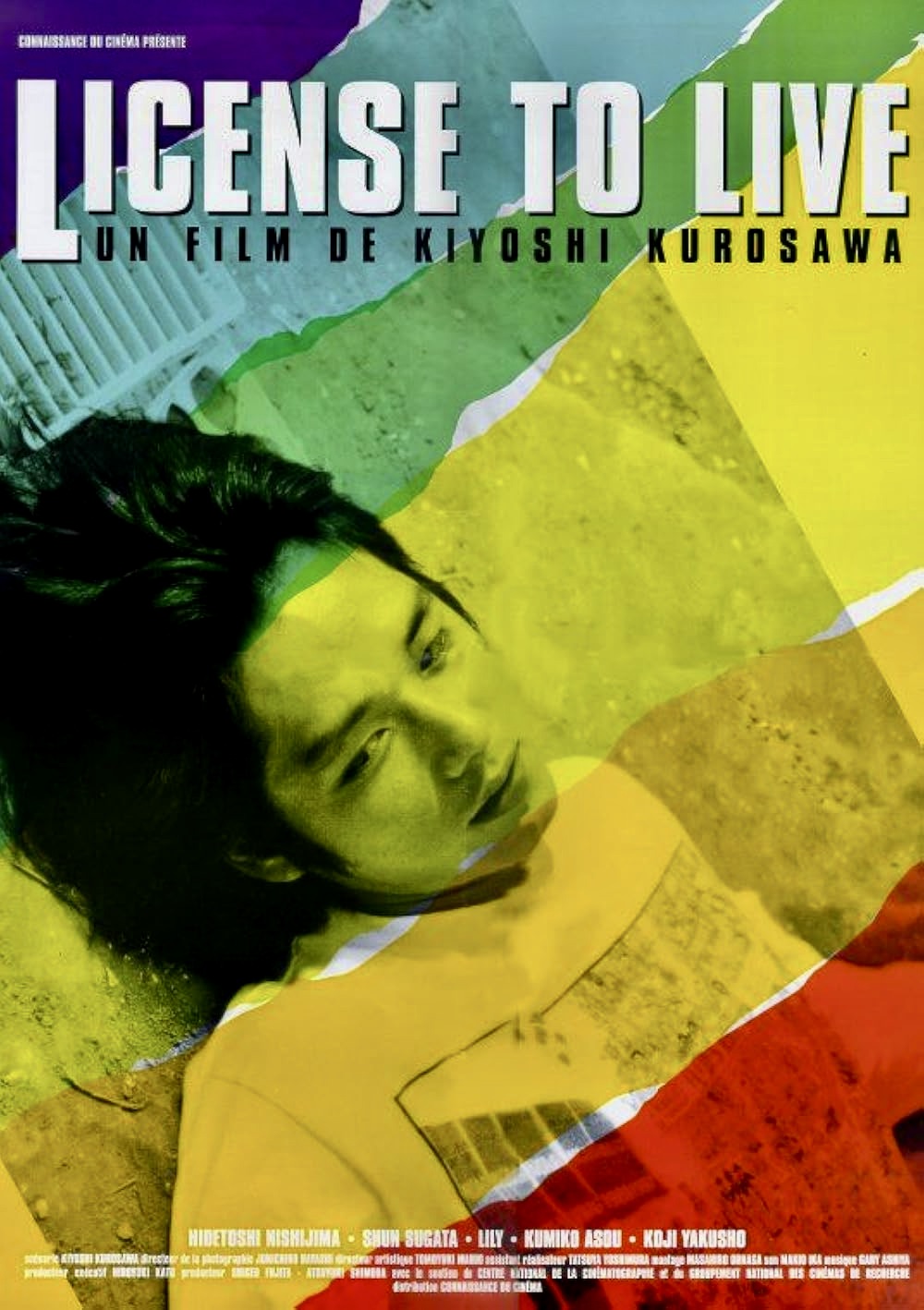
Yutaka Yoshii (Hidetoshi Nishijima) is a twenty-four-year-old man who suddenly wakes up from a coma after ten years and has to readjust to a new world. This is the basic set-up of Ningen Gokaku (English title: License to Live, 1998), a decidedly change-of-pace effort from Japanese director Kiyoshi Kurosawa, who is better known for creepy occult/psychological thrillers like Sweet Home (1989), Cure (1997) and Pulse (2001). You can only imagine what an American film studio would do with this simple concept – it would either become a rom-com like While You Were Sleeping (1995) or a horror flick such as The Dead Zone (1983) – but Kurosawa takes an approach that probably surprised even his most fervid fans. License to Live turns out to be a low-key, observational series of vignettes that slowly culminate in a moving meditation on the things that make the life of a human being worth living.

Continue reading
The Girl with the Fishing Spear

Mari Shirato plays a fisherman’s widow who is preparing to avenge her husband in the 1984 thriller Mermaid Legend, directed by Toshiharu Ikeda.

In 1984 ATG (Art Theater Guild), one of the most experimental and artistic of Japan’s film distribution companies, and Directors Company, released Ningyo Densetsu, directed by Toshiharu Ikeda. ATG had already established itself as a cutting-edge visionary with such releases as Toshio Matsumoto’s Funeral Parade of Roses (1969), Shuji Terayama’s Pastoral: Hide and Seek (1974) and Seijun Suzuki’s Zigeunerweisen (1980). Ningyo Densetsu was something altogether different – a commercially viable fusion of murder mystery, white collar crime and revenge thriller which looked more mainstream than most of ATG’s previous releases. Also known as Mermaid Legend, the movie is also much more extreme than some of the most infamous exploitation films of its era yet it is distinguished by its artistry in all areas of production. But make no mistake, this is not family-friendly fare or recommended for fans of The Little Mermaid

Continue reading

Beware of Japanese Cats

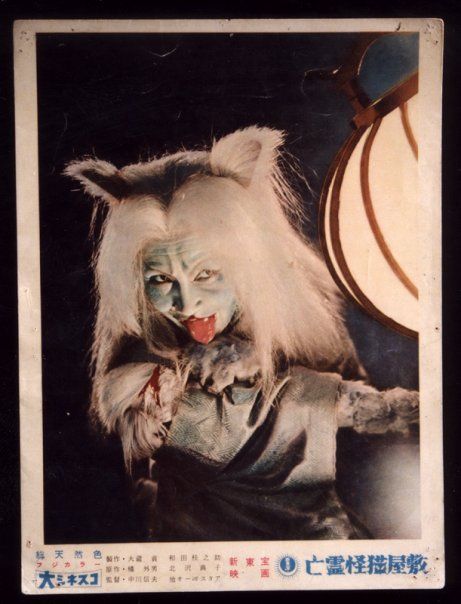
The avenging cat witch ghost is the star of Nobuo Nakagawa’s Black Cat Mansion aka Borei Kaibyo Yashiki (1958).

Every national cinema has their own homegrown subgenres and mythology when it comes to horror films and I think Japan has some of the most unique and bizarre creatures of all such as the hopping Umbrella ghost from Yokai hyaku monogatari (1968, aka The Hundred Monsters) or the rampaging stone idol of the Majin trilogy which began in 1966. Yet, in terms of eerie beauty and supernatural creepiness, I’m drawn to the bakeneko-mono stories from Japanese folklore with their shape-shifting cat demons and one of my favorites is Borei Kaibayo Yashiki (1958, aka Black Cat Mansion aka Mansion of the Ghost Cat).     Continue reading