Child’s Play

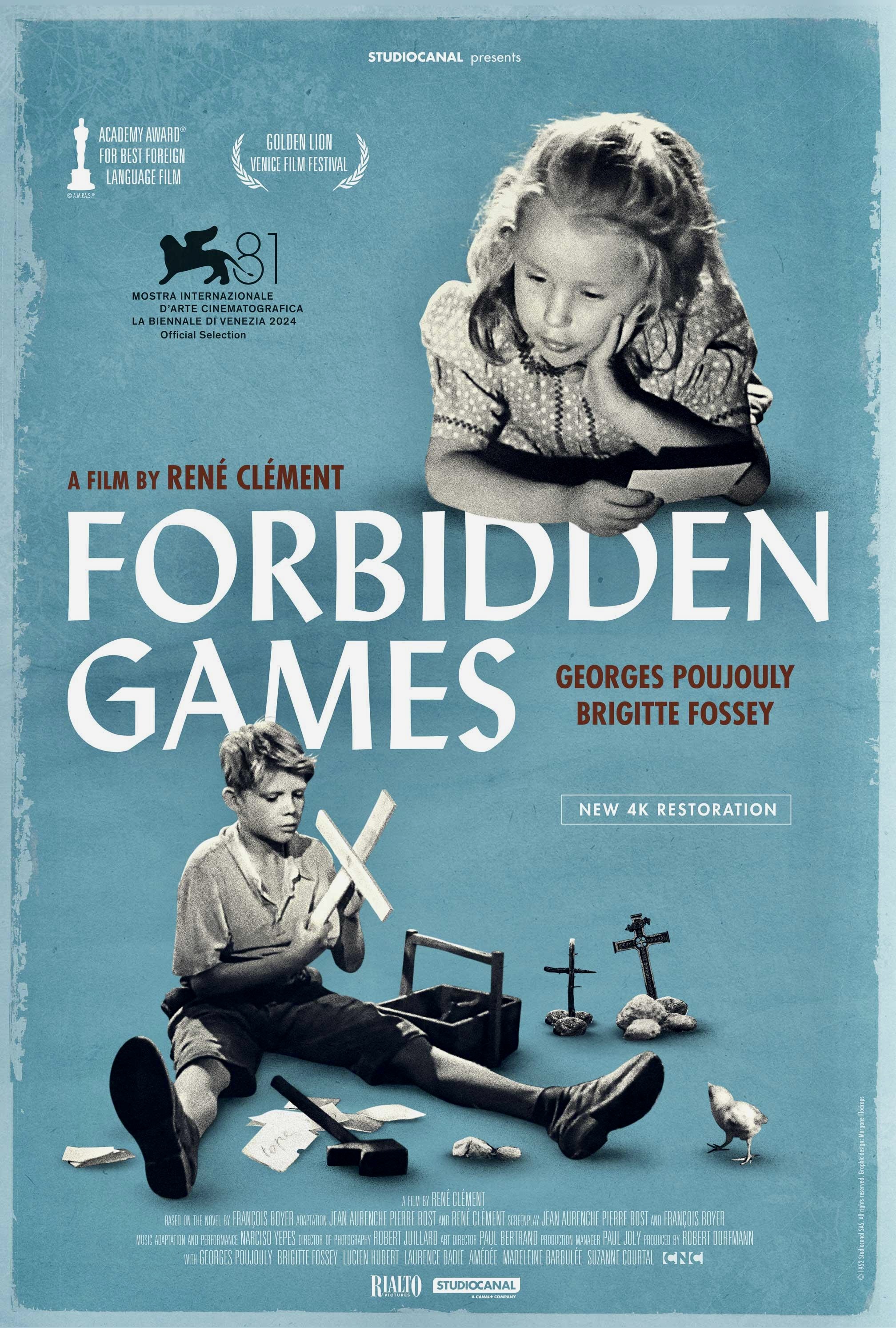
June 1940. A long line of French refugees flee Paris for the countryside during the German invasion of France in WW2. Among the evacuees are a young couple with their 5-year-old daughter Pauline and her pet dog Jock. When the couple’s car stalls on the road, angry refugees push it out of the way and down a hill. The family grab whatever they can carry from their stranded vehicle and return to the road as German aircraft start dropping bombs. In the confusion, Jock runs off and Pauline chases after him. Her parents follow in pursuit but the family is forced to take shelter again as aerial machine-gunners target the escaping Parisians. This time the parents and the dog are mortally wounded and Pauline is left abandoned. She wanders into the countryside clutching her dead pet, not really comprehending what has happened to her. All of this occurs in the few ten minutes of Jeux Interdits (English title: Forbidden Games), one of the most powerful war films of all time. Yet, it is unique within its specific genre because it does not focus on the war itself but the effects of the devastation on a young child. Directed by Rene Clement, the film became an international sensation and won a honorary Oscar as Best Foreign Film of 1952.
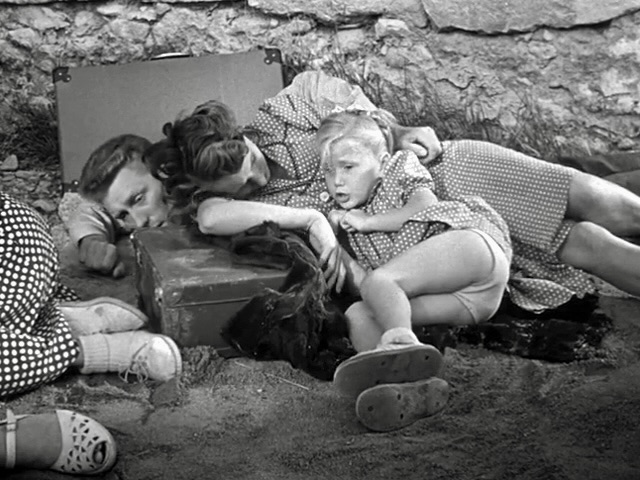
Paulette (five year old Brigitte Fossey) is left an orphan after her parents are killed in a German aerial raid in FORBIDDEN GAMES (1952).
Continue reading

My Name is Ivan

“My discovery of Tarkovsky’s first film was like a miracle. Suddenly, I found myself standing at the door of a room the keys of which had, until then, never been given to me. It was a room I had always wanted to enter and where he was moving freely and fully at ease. I felt encouraged and stimulated: someone was expressing what I had always wanted to say without knowing how. Tarkovsky is for me the greatest, the one who invented a new language, true to the nature of film, as it captures life as a reflection, life as a dream.” – Ingmar Bergman

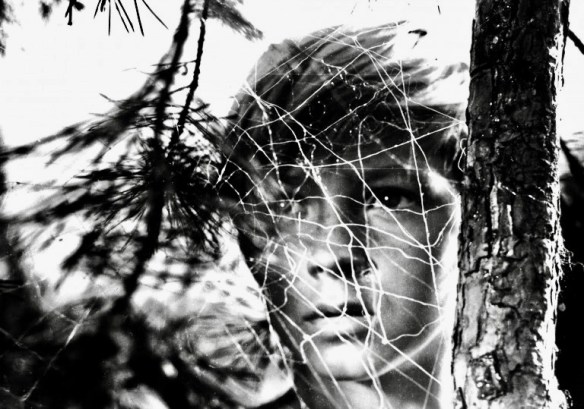
Nikolai Burlyaev gives a stunning performance as a war refugee turned Russian spy in Ivan’s Childhood (1962), the feature film debut of director Andrei Tarkovsky.

A harrowing yet poetic account of war seen through the eyes of a twelve year old boy, Ivan’s Childhood aka My Name is Ivan (1962) was Andrei Tarkovsky’s first feature film and one that had a major impact on Russian cinema and the international film world (It won the Golden Lion at the 1962 Venice International Film Festival). Continue reading

To Look or Not to Look

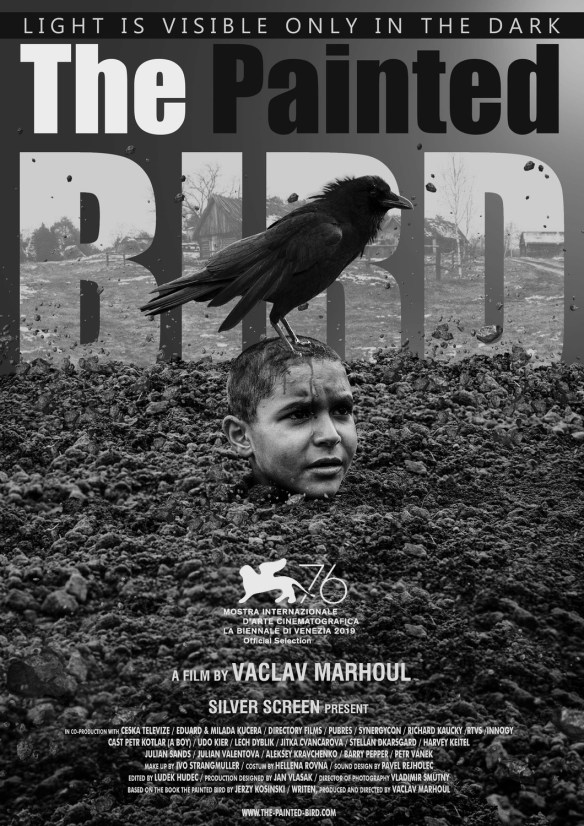
Have you ever had to look away from the screen while watching a movie because you couldn’t bear to see what happened next? Do you have a threshold tolerance level of what you will watch before you become outraged or repulsed and walk out of a film? There have certainly been controversial movies over the years – both art and exploitation features – that have tested the limits of what viewers will watch. Lars von Trier’s Antichrist (2009), Gaspar Noe’s Irreversible (2002), Meir Zarchi’s I Spit on Your Grave (1978), Nagisa Oshima’s In the Realm of the Senses (19776), Pier Paolo Pasolini’s Salo, or the 120 Days of Sodom (1975), and Wes Craven’s The Last House on the Left (1972) are just a few of the more famous offenders that have provoked heated debates over censorship and creative expression. We now have a new test case – The Painted Bird (2019), Czech filmmaker Vaclav Marhoul’s big-screen adaptation of Jerzy Kosinski’s dark masterpiece from 1965.   Continue reading