
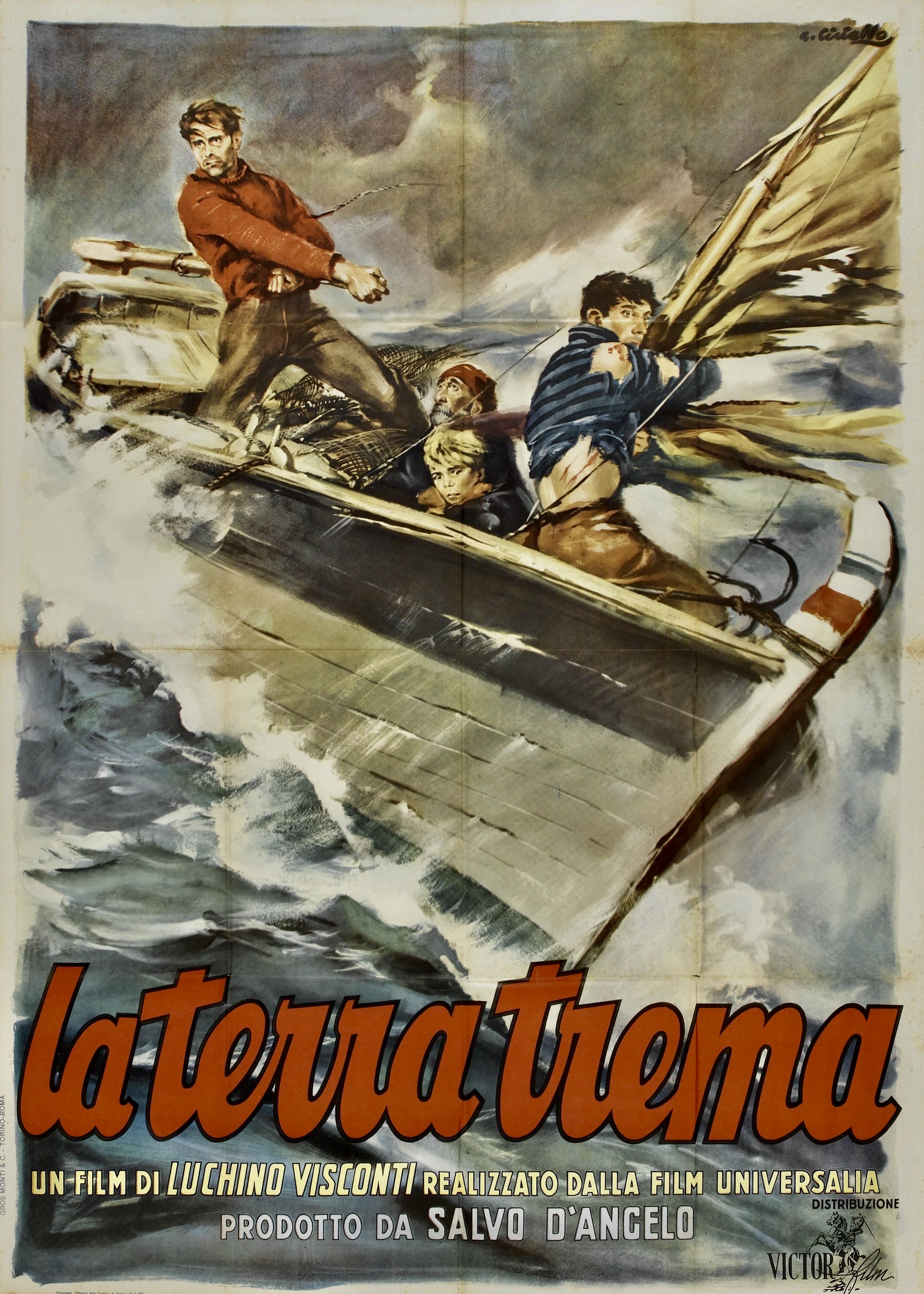
Every film lover remembers a point when they begin to view cinema as an art form and not just ephemeral entertainment. A turning point for me was the PBS series Film Odyssey, which presented classics from the Janus Collection, hosted by Los Angeles Times’ film critic Charles Champlin in 1971. That marked my first exposure to Ingmar Bergman (Wild Strawberries), Federico Fellini (La Strada), Jean Cocteau (Beauty and the Beast) and Akira Kurosawa (Rashomon), among others. But it was the film history class I took at the University of Georgia in 1974 that really opened my eyes to the possibilities of film as a creative medium. I learned about the auteur theory in that class with screenings of Sam Fuller’s The Steel Helmet and Nicholas Ray’s Bigger Than Life and developed an appreciation for silent cinema (D.W. Griffith’s Orphans of the Storm, Aleksandr Dovzhenko’s Earth) and the virtues of the Studio System (represented by George Sidney’s Scaramouche and Leo McCarey’s An Affair to Remember). What made the biggest impact on me, however, were the Italian neorealism films of the post-WW2 era, especially Luchino Visconti’s La Terra Trema [1948] (The English translation is The Earth Trembles).
Continue reading Cinema Sojourns