The Suburban Sex Underground

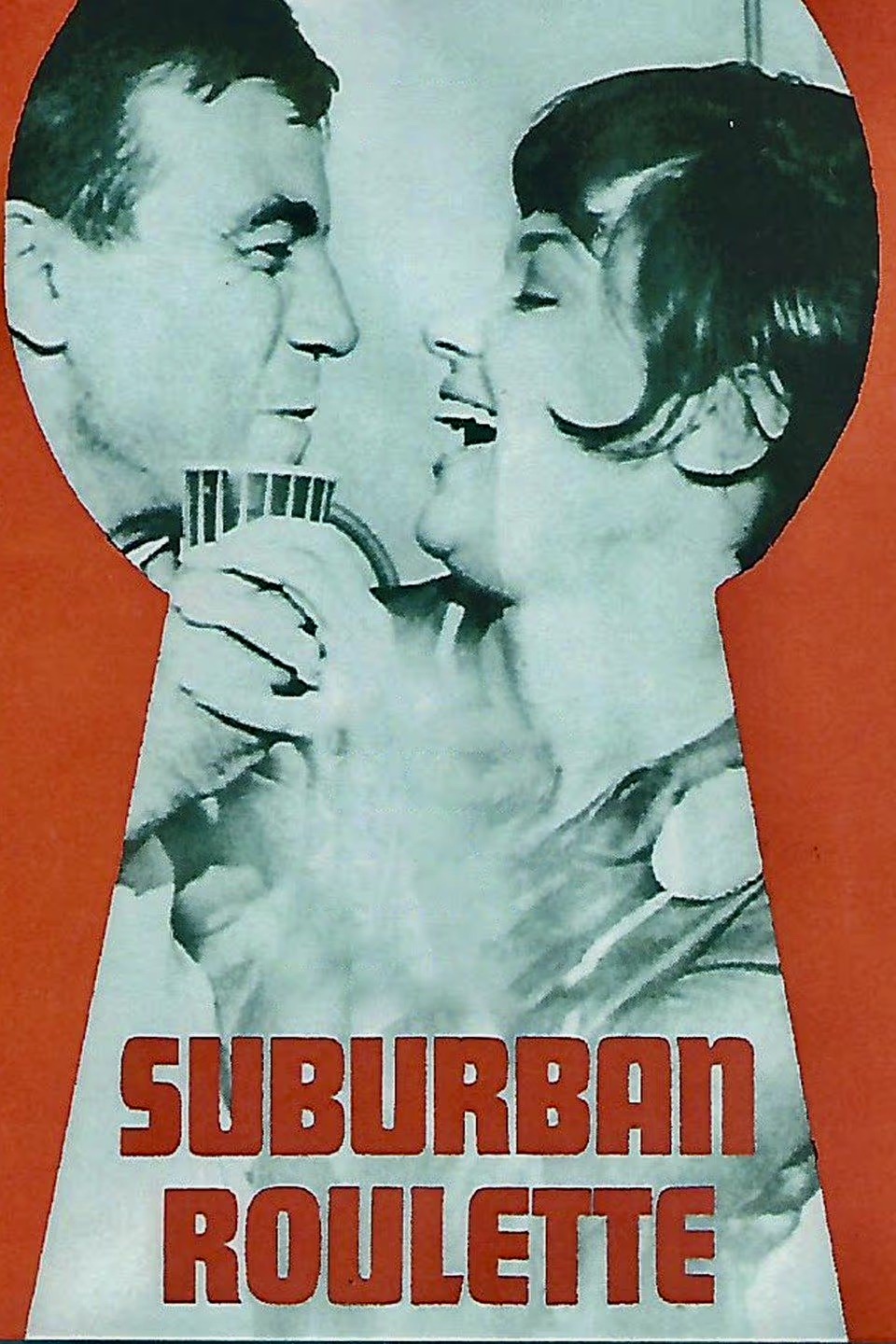
When did mate swapping parties and swinging singles soirees in suburbia in America become a social phenomenon? Some say it began during the Korean War (1950-1953) among married couples on army bases and then spread to the suburbs. One thing is certain: stories about such behavior began to appear in paperback novels, tabloid exposes and the media in the fifties and were common knowledge for most people by the time John Updike’s 1968 novel Couples was published (it focused on the lives of ten sexually active couples in a small town in Massachusetts). But even before Updike’s critically acclaimed work, sexploitation films in the sixties had been mining this subject matter in adult fare like Wife Swappers (1965), Unholy Matrimony (1967), Andy Millgan’s Depraved! (1967) and Suburban Roulette (1967), directed by Herschell Gordon Lewis.
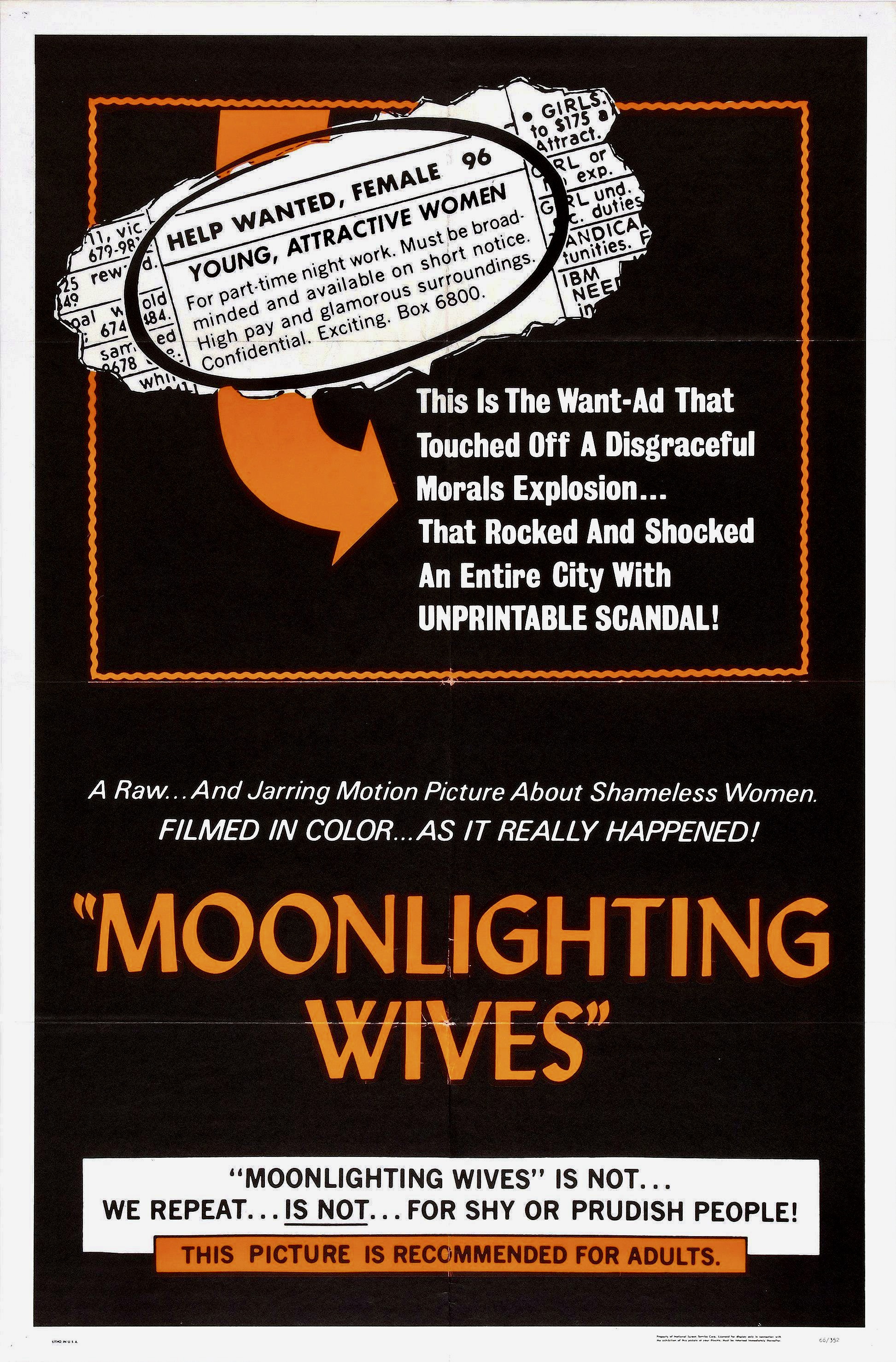
The often overlooked master of the form, however, was Joseph W. Sarno, who made his directorial debut with Nude in Charcoal (1961) and scored a drive-in hit with Sin in the Suburbs (1964), which delved into the secret sex orgies of masked participants in suburbia. Even more groundbreaking was Moonlighting Wives (1966), his first feature in color, which expanded on the swinging singles scene by combining it with a tale about a prostitution ring masterminded by a housewife in a middle class community.

Continue reading
The Godfather of New York Street Art

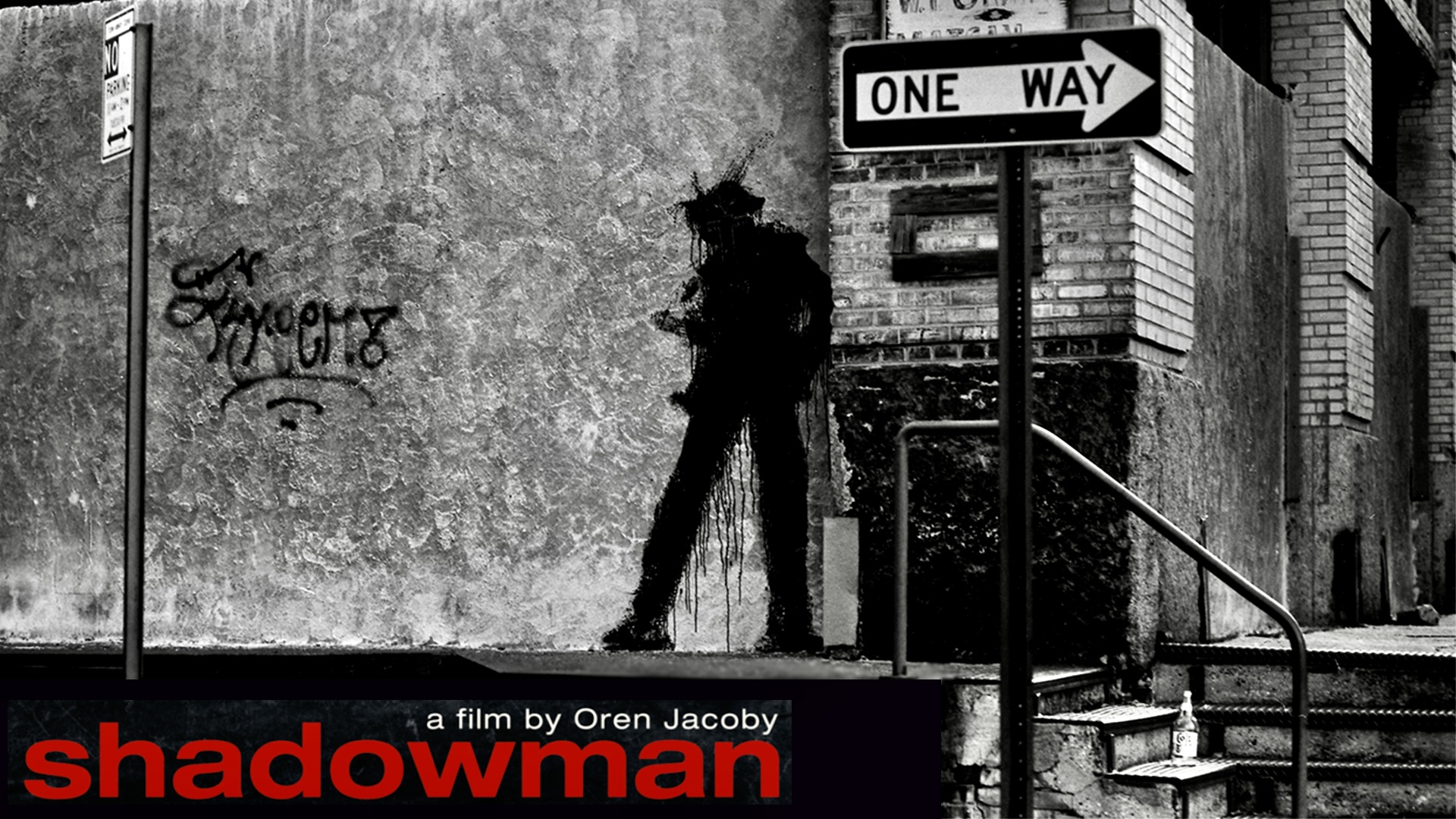
When did grafitti drawings and spray paint signage graduate from being considered vandalism to a recognized art movement? Pop culture historians pinpoint the late 1960s as the time that subway art and other movements began appearing in major cities with Philadelphia and then New York City paving the way. Some believe that grafitti taggers Cornbread aka Darryl McCray and Top Cat 126 from Philadelphia were among the first to elevate spray paint signage out of its defacement stigma. And by the late seventies/early eighties grafitti art had become much more elaborate and pervasive, thanks to the pioneering efforts of cult figures like Jean-Michel Basquiat and Keith Haring, who eventually made their brand of street art wildly popular and collectible. What most people don’t know is that a Canadian artist named Richard Hambleton created a public art series between 1976 to 1978 in major cities across America and Canada that were inspired by real life crime scenes. These homicide victim street portraits actually prefigured the spray paint artists movement in New York City and Shadowman (2017), a documentary by Oren Jacoby, delves into the elusive figure of Hambleton, who was famous before contemporaries Basquiat and Harring, but is the least known of the three today.

Continue reading

Fritz Lang’s Two-Part Indian Epic

The film industry is rife with tales about directors who struggled and failed to bring their dream projects to the screen and the subject would make a fascinating, behind-the-scenes non-fiction book about the precarious nature of moviemaking. Among the more famous examples are Orson Welles, who pitched a film version of Joseph Conrad’s Heart of Darkness to RKO executives, who instead chose Welles’ second idea, Citizen Kane,  Josef von Sternberg’s ambitious 1937 production of I, Claudius, which was started but never completed due to disagreements between the director and Charles Laughton plus the injury of leading lady Merle Oberon in a car accident, and Robert Altman, who wanted to make a film version of the 1997 documentary Hands on a Hard Body and had even cast it but died before production could begin. Yet, for all the films-that-might-have-been, there are many examples of directors who finally succeeded in making their passion projects and one of them is Fritz Lang. His lifelong desire to make a film of the 1917 novel, The Indian Tomb, written by his former wife Thea Von Harbou, was finally realized in the late 1950s when he started production on a lavish movie adaptation that would be released in two parts as The Tiger of Eschnapur and The Indian Tomb, both 1959.

Continue reading